How To Know The Truth About You | Dr. Myles Munroe | MunroeGlobal.com
In How To Know The Truth About You, the late Dr. Myles Munroe teaches that the only reliable source of truth about any product is its manufacturer, and that the same principle applies to human beings. According to Munroe, everything people say about us is opinion; only God, our Creator, knows the full truth about who we are and what we were made to do. Drawing on John 8 and Romans 3:4, he explains how discovering that truth leads to freedom, confidence and purpose.
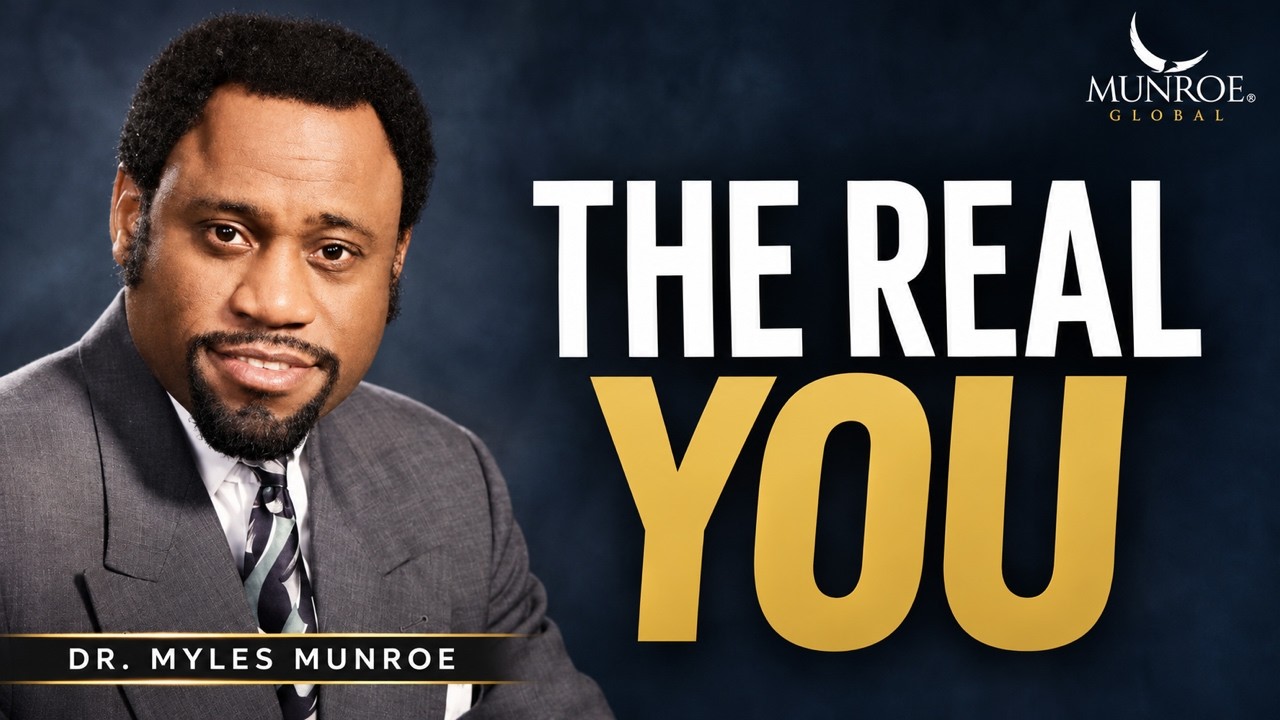
Video Summary
Munroe opens with a striking claim: all other people’s comments about you are simply opinions, because the only true information about you comes from the One who made you. He then reframes a familiar idea, suggesting that Jesus came not only to reveal the truth about God but to reveal the truth about humanity. Because humanity fell and lost touch with its Creator, people began to measure themselves by their environment and by other people instead of by God’s design.
From there Munroe redefines sin as rebellion against God’s known will, explains faith as believing the truth about yourself in spite of present facts, and shows how truth produces freedom. He warns against basing beliefs on other people’s experiences, encourages believers to study Scripture for themselves like the Bereans and closes with the declaration of Romans 3:4: “Let God be true but every man a liar.”
Key Takeaways
- Only the Creator, like a manufacturer, knows the full truth about His creation.
- Munroe teaches that Jesus came to reveal the truth about humanity as well as about God.
- Sin, singular, is rebellion against God’s known will; individual sins are its symptoms.
- Faith means living by the truth about your life even when present facts look different.
- Truth produces freedom that no government or legislation can give.
- Believers should test every teaching against Scripture rather than accepting it uncritically.
The Manufacturer Knows the Product
Munroe’s central analogy runs throughout the message. A product’s manufacturer is the only one who truly knows its purpose, capabilities and limits. Other users may share their experiences, but those experiences are not the source of truth. Someone may say they will never buy a certain car again, but perhaps they used the wrong fuel or never read the manual.
Applying this to people, Munroe says believers should not allow others’ opinions or experiences to define them. He even applies the principle to prayer and healing, cautioning against measuring God’s promises by what did or did not happen in someone else’s life. Instead, believers should go to God directly and let Him speak to them through His Word. Because only the Creator knows the whole truth, Munroe explains, God could not send an angel to reveal it; He had to come Himself in Christ, through whom “all things were made” (John 1:3).
Redefining Sin
Munroe argues that many Christians misunderstand sin by focusing only on specific behaviors such as lying, stealing or immorality. Those actions, he says, are symptoms. He points out that passages describing Christ’s work often speak of freedom from “sin” in the singular, because sin is the root that produces sins.
His definition is that sin is rebellion against the known will or intent of the Creator. If a person does not know what God intended them to be and accomplish, they will inevitably live below that design. In this sense, Munroe says, falling short of God’s purpose is part of what Scripture calls sin. This idea connects closely with his teaching in The Discipline Of Vision.
Faith: Living by Truth, Not Just Facts
Munroe distinguishes between facts and truth. Facts describe present circumstances, while truth describes what God has said about a person, even if it has not yet been manifested. Living according to truth while surrounded by contrary facts requires faith. He references Romans 14:23, “whatever is not from faith is sin,” and Hebrews 11:1, which calls faith “substance.”
To illustrate, he uses the example of writing a check. A person can confidently write a check on a Sunday even though the bank is closed, because they know what they deposited. That, he says, is a true “faith check,” not wishful thinking about money that does not exist. Faith, in Munroe’s teaching, is grounded in something real that God has already established.
The Truth Sets You Free
Turning to John 8:31-36, Munroe highlights Jesus’ words, “You shall know the truth, and the truth shall make you free,” and “if the Son makes you free, you shall be free indeed.” Freedom, he says, does not ultimately come from governments, parliaments or legislation; it comes from truth.
He illustrates this with the apostle Paul, who sang in prison because he knew God had promised he would testify before kings. Prison was a temporary fact, not the final truth about his life. Similarly, when people speak negatively about believers, those words lose their power if believers know what God says about them. Munroe compares criticism to water rolling off a duck’s back.
Munroe also speaks strongly about discouragement and depression, arguing that much of it comes from believing other people’s opinions rather than God’s truth. His emphasis is on the spiritual and emotional power of embracing God’s view of oneself. Readers dealing with depression should also remember that spiritual encouragement and appropriate professional and medical care can work together.
Test Everything Against the Manual
Munroe applies the manufacturer principle even to preachers. A pastor, he says, is not the manufacturer, so believers should be like the Bereans in Acts 17:11, who listened to Paul and then searched the Scriptures to see whether what he said was true. Munroe admits that some of the theology he grew up with did not line up with Scripture, and he encourages listeners to measure every teaching against God’s Word.
He closes with Romans 3:4, “Let God be true but every man a liar.” He asks his audience to think about teachers or others who discouraged them, causing them to abandon dreams. In his closing prayer, he reminds people that the person beside them is “a fact on their way to the truth,” and encourages them to keep moving toward God’s reward rather than settling for human approval. For more of Munroe’s leadership teaching, see How To Become An Influence.
Frequently Asked Questions
What is the “manufacturer principle” Myles Munroe teaches?
It is the idea that only the maker of a product knows its true purpose and capabilities, so only God, our Creator, knows the full truth about each person.
How does Munroe define sin?
He defines sin as rebellion against the known will or intent of God, with specific wrong actions being symptoms of that deeper condition.
What is the difference between facts and truth?
According to Munroe, facts describe current circumstances, while truth is what God has declared about a person, which faith holds onto until it is revealed.
Final Thoughts
How To Know The Truth About You is a classic Myles Munroe message that invites listeners to stop defining themselves by other people’s opinions. By returning to the Creator and His Word, believers can discover their true identity and purpose and experience the freedom Jesus promised. As Munroe puts it, people may give you awards, but only the Manufacturer gives rewards.
