The Dangerous Philosophy Behind Modern Worship | Voddie Baucham
In The Dangerous Philosophy Behind Modern Worship, Voddie Baucham argues that the church’s real worship problem is not a matter of musical style or personal preference, but of underlying assumptions. According to Baucham, much of modern worship is shaped by what he calls the “affective principle”: if something makes people feel close to God, it is considered acceptable. He calls for a reformation of the substance of worship, grounded in Scripture and centered on who God is.
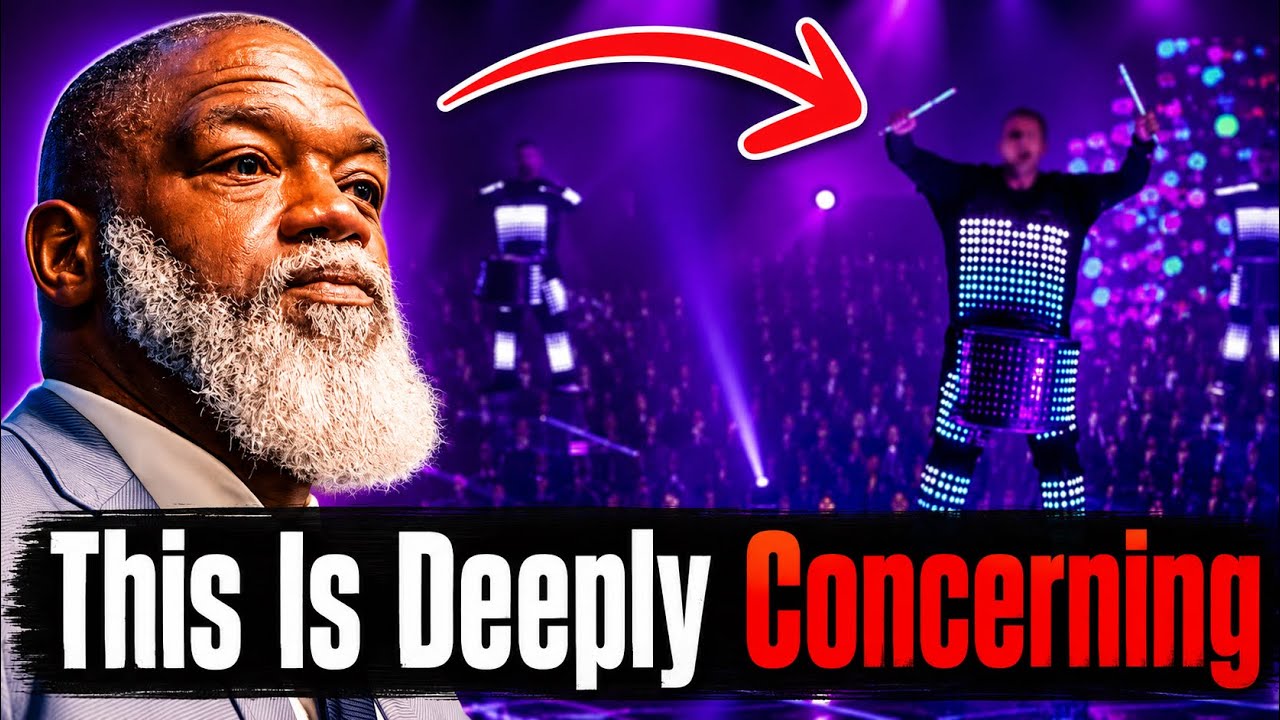
Video Summary
Baucham begins by stating that his assignment is to address the reformation needed in worship. He anticipates that people will assume he is comparing styles, such as a contemporary band and a traditional choir, but he insists that style is not the issue. What needs reform, he says, is the church’s framing, thinking and presuppositions about worship.
He reviews the historical background of the normative and regulative principles of worship from the Reformation era, then explains how modern evangelicalism has largely replaced both with the affective principle. Using a vivid comparison of two funerals described by writer Gene Edward Veith, he shows how different assumptions produce very different services. He then challenges how loosely the label “Reformed” is used today and turns to Revelation 1 to show the elements of biblical worship.
Key Takeaways
- The worship debate is about substance and presuppositions, not style or preference.
- The normative principle permits what Scripture does not forbid; the regulative principle seeks scriptural warrant for the elements of worship.
- Baucham says many churches now operate on an “affective principle,” judging worship by how it makes people feel.
- The “traditional versus contemporary” debate often ignored deeper theological foundations.
- Worship centered on God’s Word can sustain people even in deep grief.
- Baucham argues the elements of worship should come directly from Scripture, even if forms vary.
Normative, Regulative and Affective Principles
Baucham quotes theologian Sam Waldron to explain the historical roots of two approaches. The conservative Lutheran reformers generally preserved medieval worship practices except where they clearly contradicted Scripture, an approach later described as the normative principle. Calvin and the Reformed tradition, by contrast, argued that the content of worship must have warrant in Scripture, which became known as the regulative principle.
Baucham’s concern is that many modern Christians no longer think in these categories at all. Instead, he says, they have adopted the affective principle: if people like it, are blessed by it and feel they have encountered God, it is acceptable, and anyone who questions it is labeled judgmental or legalistic. He jokes that the church has adopted an eleventh commandment, “Thou shalt be nice.”
Traditional Versus Contemporary
Baucham revisits the “worship wars” of recent decades. What many called “traditional” worship, he explains, largely took shape in the 1950s during the era of large evangelistic crusades, often following a pattern of several hymns, a special song, a sermon with three points and an altar call. Then the Jesus Movement of the late 1960s and 1970s brought a more informal style with simple, repetitive songs and conversational talks.
In Baucham’s view, the debate between these styles often amounted to one generation saying God lived in the 1950s and another saying He lived in the 1970s. Both sides, he argues, were operating on the affective principle, debating which style best helped people feel God’s presence, while the theological roots of worship were largely neglected.
A Tale of Two Funerals
To illustrate, Baucham reads a lengthy account by Gene Edward Veith describing two funerals for young people who died tragically. At the first, the service centered on the young man: his favorite song, his photos, tributes from friends and family, and a video of his life. The emotion was overwhelming, and people called it a beautiful funeral. Baucham describes it as a clear picture of the affective principle, designed around the deceased and around emotional release.
The second funeral was for a young woman who had been murdered. There, the congregation sang hymns centered on Christ’s death and resurrection, read Scripture responsively and heard a sermon on the hope of the gospel, the justice and mercy of God and the promise that He will wipe away every tear. Veith wrote that while people wept, the Word of God was like a strong arm supporting them in their grief. Baucham’s point is that the difference was not preference but presuppositions: one service sought to produce feelings, while the other declared who God is and trusted that it would be enough. This echoes the promise of Revelation 21:4.
What Does It Mean to Be Reformed?
Baucham challenges the way the term “Reformed” is used. Many people who hold to Calvinistic views of salvation call themselves Reformed, he says, even if their church practice, confession and worship do not reflect Reformation principles. In his assessment, examining a church’s worship often reveals whether it is genuinely shaped by the Reformation or simply repackaging the spirit of the age.
He clarifies that he is not insisting every Reformed church must look identical. Forms may differ, but the elements of worship, in his view, should be drawn directly from Scripture. Readers interested in his broader convictions may also appreciate Gospel Clarity.
A Picture of Worship in Revelation 1
Baucham turns to Revelation 1:1-6, a passage he says he could preach for months. He highlights the symbolic numbers in Revelation, including twelve for the people of God, seven for completeness and three as what he calls the “rhythm of Revelation.”
He traces several sets of three in the opening verses: God who gave the revelation, Christ who made it known and John who bore witness; the word of God, the testimony of Jesus and all that John saw; and the blessing on the one who reads, those who hear and those who keep it. In verse 4, John greets the seven churches with grace and peace from Him “who is and who was and who is to come,” from “the seven Spirits who are before His throne” and from Jesus Christ. For Baucham, the passage presents worship that is Trinitarian, word-centered and focused on God’s character rather than on human feelings. For more of his teaching, see The Strength Of Our Confession.
Frequently Asked Questions
What is the “affective principle” of worship?
Voddie Baucham uses the term for the idea that worship is acceptable if people like it and feel close to God, regardless of whether its elements are grounded in Scripture.
What is the regulative principle of worship?
It is the Reformed conviction that the elements of worship should have warrant in Scripture, rather than simply avoiding what Scripture forbids.
Is Baucham arguing against contemporary music?
No. He explicitly says the issue is not style or preference, but the theological presuppositions behind how churches design worship.
Final Thoughts
The Dangerous Philosophy Behind Modern Worship is a thought-provoking challenge to examine why churches worship the way they do. Whether or not viewers share Voddie Baucham’s Reformed convictions, his central question is worth considering: is worship built around what God has revealed about Himself, or around the feelings people hope to experience? According to Baucham, when worship is grounded in God’s Word, it will be enough, even in life’s darkest moments.
