Kirk Cameron: Christian Men Are Drinking Whiskey And Smoking Cigars At Bible Study Now.
In this episode, Kirk Cameron takes on a lively question many believers quietly wonder about: Christian liberty with whiskey and cigars. After moving from California to Tennessee, Cameron discovered men’s Bible studies where Christians enjoyed whiskey, cigars and even “Psalms and Beer” gatherings. Is this legitimate Christian freedom, or does it damage a believer’s testimony? Cameron works through Scripture, church history and practical wisdom to offer a balanced answer.
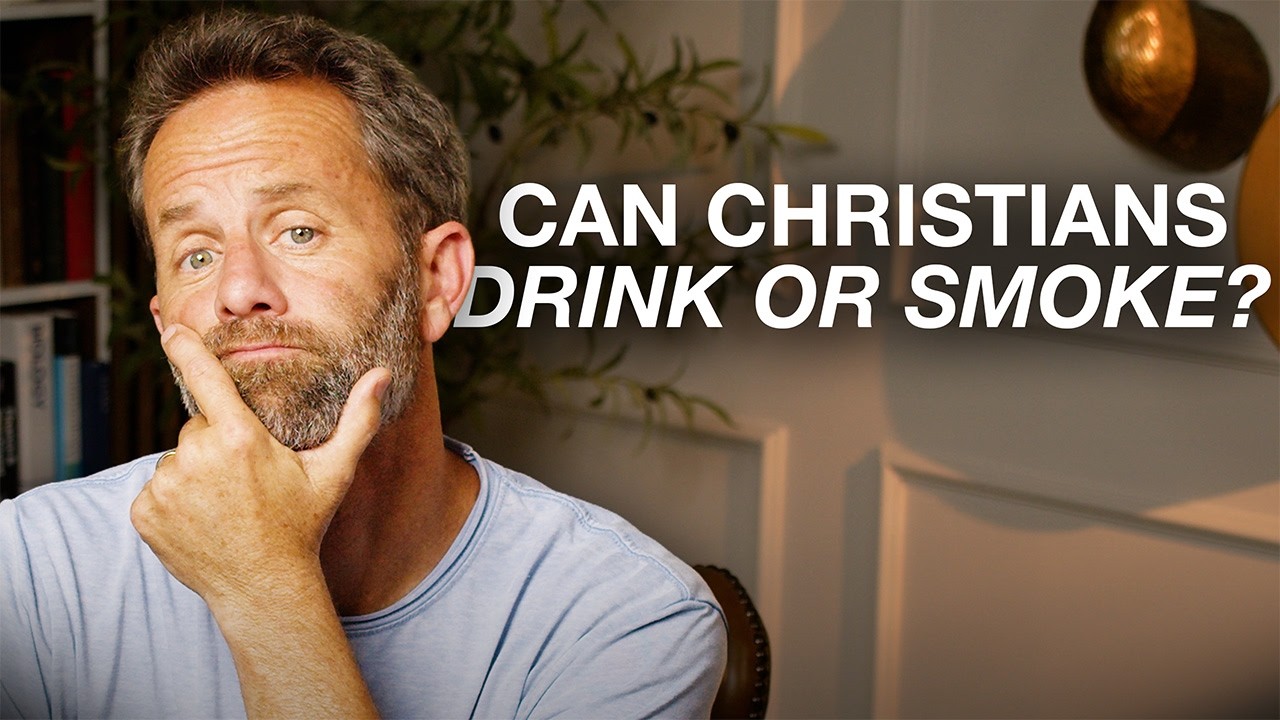
Video Summary
Cameron describes coming to faith at seventeen while starring on a television sitcom and absorbing a conservative Christian culture in which honoring God generally meant avoiding alcohol and tobacco entirely. Alcohol was associated with drunkenness, addiction and broken families, and his father warned him never to smoke. So he was surprised when he met strong, Bible-loving family men in Tennessee who were comfortable enjoying a glass of whiskey or a cigar while talking about the Lord.
He recounts examples that challenged his assumptions: a church gathering where men sang psalms in four-part harmony with steins of ale, Charles Spurgeon’s reputation as a cigar smoker, monks brewing ale, the Guinness family’s Christian vision for work and community, and churches that serve wine at communion. He then lays out what the Bible says about alcohol, offers three guiding principles and closes with his own conclusions, a lighthearted joke and an invitation for viewers to share their views.
Key Takeaways
- Scripture clearly forbids drunkenness but does not command total abstinence from alcohol.
- Questions of Christian liberty require wisdom and discernment rather than simple rule-making.
- Your body belongs to God, so every habit, including diet, screen time and sleep, is a stewardship issue.
- If alcohol has mastered someone in the past, wisdom says to avoid it entirely.
- Romans 14 calls believers to limit their freedom out of love for others.
- Christian liberty is not freedom to do whatever we want, but freedom to do what love requires.
What the Bible Says About Alcohol
Cameron notes that the Bible has a great deal to say about alcohol, and its message is nuanced. It clearly warns against drunkenness and against being mastered by anything. But it does not say “thou shalt never drink.” Jesus’ first miracle was turning water into wine at a wedding in Cana (John 2), and when He instituted the new covenant meal, He chose bread and wine.
Scripture also says wine can gladden the heart (Psalm 104:15), while Proverbs 20:1 warns that “wine is a mocker, strong drink is a brawler.” Paul advised Timothy to take a little wine for his stomach, yet also wrote, “Do not be drunk with wine” (Ephesians 5:18). For Cameron, these texts show that the Bible calls for wisdom and discernment, which he believes is always better than rule-making.
Principle One: Your Body Belongs to God
Cameron’s first principle comes from 1 Corinthians 6:19-20: “You are not your own… you were bought at a price; therefore glorify God in your body.” He summarizes it as “God’s body, my choice,” meaning believers should ask whether what they put into their bodies honors God.
He insists this question applies far beyond whiskey and cigars. It includes junk food, energy drinks, endless video games, poor sleep, lack of exercise and media that fills the mind with anxiety and envy. With humor, he describes Christians who eat several donuts, drink multiple energy drinks and scroll through outrage-driven content for hours, and then look at a brother with a cigar as if he had abandoned the faith. Health, he says, is a gift that enables us to serve our families, communities and the kingdom of God.
Principle Two: Drunkenness Is Sin
Cameron is unequivocal on his second point: getting drunk is a sin. Drunkenness, he says, is not Christian liberty but “bondage wearing a party hat.” He describes how alcoholism destroys families, marriages and trust, and can turn a man meant to protect his family into the danger they need protection from.
For anyone whom alcohol has mastered, his advice is to stay away completely. If one drink always becomes ten, he says, wisdom is not to have the first. He notes that Billy Graham often warned about alcohol’s destructive effects, and that John Piper has taught that while Scripture does not require total abstinence, it does require sobriety, love and self-control. Cameron summarizes: Christian liberty is the freedom to do what love requires.
Principle Three: Think About Your Brother
Cameron calls Romans 14 perhaps the most important passage for this discussion. Paul acknowledges that believers differ on matters of conscience, such as eating meat or observing certain days, and says each should be fully convinced in his own mind. But Paul also warns believers not to use their freedom in a way that causes a weaker brother to stumble. Paul knew idols were nothing, yet he was willing never to eat meat again if it would wound someone else’s conscience.
Cameron also points to the Reformation principle championed by John Knox and others: God alone is Lord of the conscience. That means church leaders should not label something sin if God has not, but it also means believers must not use freedom as an excuse for foolishness. The better questions, he says, are: Is this wise? Is it loving? Is it helpful? Can I do it with gratitude to God? Could I gladly give it up if love required it?
Cameron’s Personal Conclusions
Cameron shares that he personally does not smoke cigars because they make him feel ill, though he enjoys the aroma from a distance. He keeps a bottle of scotch and a few cigars on hand for friends who visit. He is clear that neither is essential to Christian fellowship; meaningful conversations can happen over coffee or a barbecue meal. But he values what often happens when men slow down together: they talk honestly about marriage, children, work, fears, temptations and the Lord.
He also offers practical cautions. If a man’s wife avoids him after he smokes a cigar, that may be wisdom speaking. And parents should remember that children are watching. Moderation, gratitude and self-control teach one lesson; hidden habits, dependence and poor behavior teach another.
His summary: Christians may drink with wisdom, self-control, gratitude and a clear conscience, but may not get drunk. Smoking a cigar is not automatically a sin, but it can be unwise, unhealthy or unloving in some contexts. Abstaining entirely is also a fully faithful choice. The goal is not rule-keeping but love, holiness, wisdom and refusing to be mastered by anything except Christ. For other thought-provoking episodes, see Did I Change My Mind? and I Apologized to God After Filming This Scene.
Frequently Asked Questions
Does Kirk Cameron believe Christians can drink alcohol?
Yes, with wisdom, self-control, gratitude and a clear conscience, but he is clear that drunkenness is a sin and that anyone mastered by alcohol should avoid it completely.
Is smoking a cigar a sin according to Cameron?
He does not believe Scripture automatically calls it a sin, but he says it can be unwise, unhealthy or unloving depending on the situation.
Which Bible passage is most important for this question?
Cameron highlights Romans 14, which teaches believers to respect each other’s consciences and to limit their freedom out of love.
Final Thoughts
This episode is a thoughtful and good-humored look at an issue that often divides believers. Kirk Cameron avoids both legalism and careless license, pointing instead to stewardship, sobriety and love for others. Whether a Christian chooses to enjoy a drink in moderation or abstain entirely, his conclusion is the same: the goal is to honor God and never be mastered by anything but Christ.
