Kirk Cameron: The Truth About Death That Every Christian Needs to Hear
In The Truth About Death That Every Christian Needs to Hear, Kirk Cameron opens up about a topic most people avoid. He admits honestly that he loves his life and does not want to die, yet he has begun to wonder whether he has been thinking about death wrongly. Drawing on the words of Jesus and the apostle Paul, Cameron explores how believers can move from fear toward hope, and even gratitude, when they consider the day God calls them home.
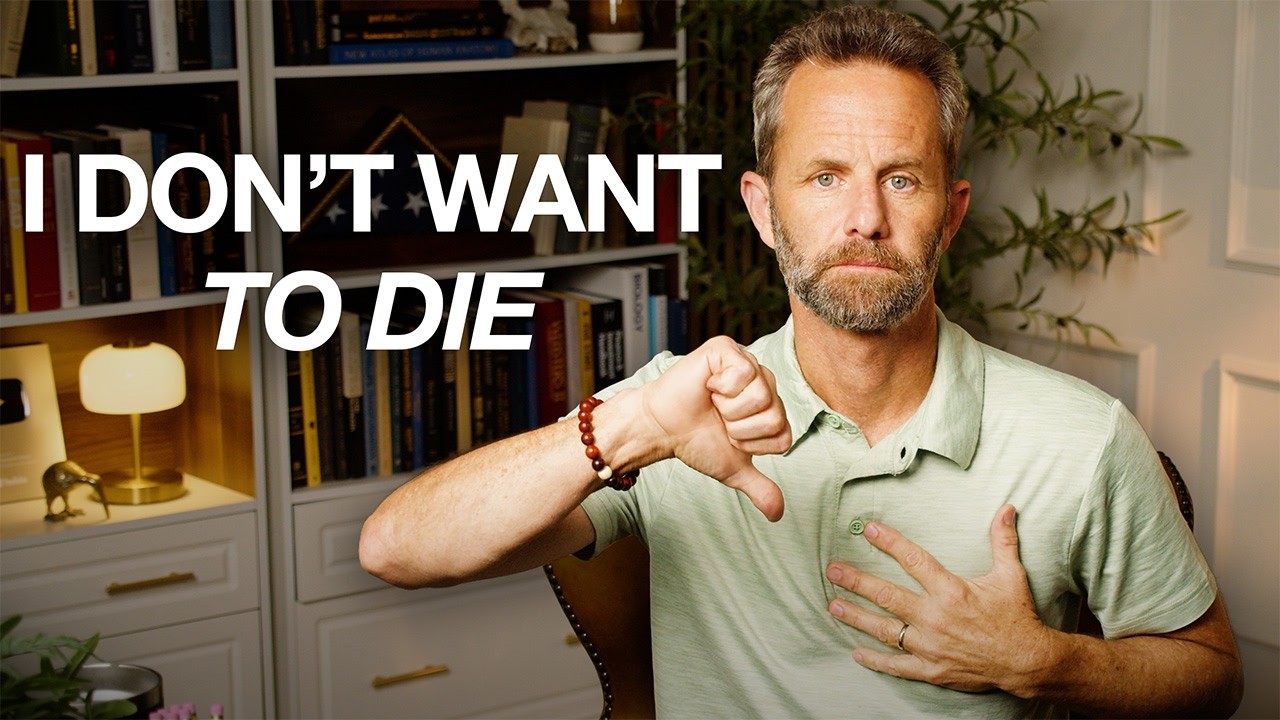
Video Summary
Cameron begins by describing the simple joys of his daily life: early mornings with coffee, his Bible and quiet music, time with his family, meaningful work and even the rooster in his backyard. He takes care of his health partly to be a good steward and partly because he does not want to die sooner than necessary. Yet he knows there is a day on God’s calendar with his name on it.
Recent losses have made the subject personal. One of his closest friends died, which shook him deeply, and an uncle passed away who, as far as Cameron knows, never trusted Christ. These experiences led him to study how Jesus and Paul spoke about death. He concludes that, for believers, physical death cannot interrupt eternal life and that Scripture even calls it “gain.” The episode closes with a listener question about the difference between humility and allowing others to take advantage of you.
Key Takeaways
- Jesus died at thirty-three, yet His life was not cut short; He finished His Father’s work right on time.
- Jesus taught that those who believe in Him will live even though they die.
- Paul described death for the believer as “gain” and being “with Christ, which is far better.”
- Grief is real, but believers who have died are not grieving; they are with the Lord.
- Suffering before death is real, but death itself becomes the believer’s release from it.
- Christ came to free people from lifelong slavery to the fear of death.
- Humility means putting others first, not being a people-pleaser or a pushover.
Was Jesus’ Death Too Soon?
Cameron raises a thought-provoking observation. If someone died at thirty-three today, we would call it tragic. Yet Jesus’ life was not cut short. He finished the work His Father gave Him to do. Cameron notes that while Jesus agonized in Gethsemane over the suffering of the cross, He did not seem terrified of death itself, because He knew where He was going. As Hebrews 12:2 says, “for the joy that was set before Him” He endured the cross. Cameron asks viewers whether they, too, can look ahead to death with that kind of hope.
Though He Die, Yet Shall He Live
Cameron turns to the story of Lazarus. When Martha told Jesus her brother would not have died if He had been there, Jesus replied that Lazarus would rise again. Martha affirmed her belief in the resurrection on the last day, and Jesus answered: “I am the resurrection and the life. He who believes in Me, though he may die, he shall live. And whoever lives and believes in Me shall never die” (John 11:25-26).
Cameron explains that Jesus was teaching that physical death cannot interrupt the eternal life believers have in Him. The heart may stop and the body may cease to function, but life in Christ continues. He describes physical death as not even a speed bump on the road of eternal life, no more able to slow a believer’s journey to God than a gnat could slow a freight train.
To Die Is Gain
Paul understood this, Cameron says. He wrote that to be absent from the body is to be present with the Lord. In Philippians 1:21-23, Paul admitted he was torn: he wanted to remain for the sake of fruitful work, but he desired “to depart and be with Christ, which is far better.” He summarized his outlook in the famous words, “For to me, to live is Christ, and to die is gain.”
Cameron confesses that he has spent much of his life instinctively protecting his longevity and thinking of death as loss. Paul’s language of “gain” challenges that. He compares a believer’s death to waking from general anesthesia after surgery: closing your eyes in one room and opening them in another, with no sense of time having passed, except that for the Christian, the new room is paradise.
Grief, Suffering and the Fear of Death
Cameron is careful not to minimize grief. Those left behind face empty chairs, empty rooms, phone numbers they can no longer call and anniversaries filled with memories. Christianity, he says, never asks people to pretend grief is not real. But while believers mourn here, the loved one who died in Christ is not mourning there.
He also addresses suffering from cancer, ALS, accidents and long illnesses. These trials are serious, but Cameron distinguishes the suffering before death from death itself. Those trials remain under God’s sovereign hand, and the moment death comes, it becomes the believer’s release from pain and fear. He cites Hebrews 2:14-15, which says Jesus came to destroy the one who had the power of death and to free those held in lifelong bondage by the fear of death, and Paul’s triumphant words in 1 Corinthians 15: “O Death, where is your sting?”
To illustrate, he points to the caterpillar, which crawls in the dirt and then disappears into a cocoon resembling a small coffin, only to emerge transformed and able to fly. Scripture promises something far more glorious for believers: “in a moment, in the twinkling of an eye,” the mortal will put on immortality.
Thanking God Even for the Day He Calls Us Home
Cameron says he still wants to live: more sunrises, more coffee, more mornings in the Bible, more time with his wife and children and grandchildren, and more meaningful work. But he wants to stop clinging to these gifts as though they were better than the Giver. He has begun learning to thank God even for the day He will call him home, because death does not choose his day; his Father does. Death, he says, is merely a servant standing at the doorway between this life and the next.
For more reflections from Cameron on eternity, see Are We Wrong About Hell? and Hellgate: The Christian Debate We’re Afraid to Have.
Humility or Being a Pushover?
In the closing Q&A, a viewer asks how to tell the difference between humility and letting people take advantage of her. Cameron admits that he has sometimes allowed people to take advantage of him, not out of humility but because he wanted their approval. True humility, he says, is putting others’ needs before your own, as Philippians 2 teaches, not being gullible or a people-pleaser. Jesus was completely humble, yet He stood firm on what mattered and spoke truth when necessary. When mistreated, He entrusted Himself to the One who judges justly, as 1 Peter 2:23 describes.
Frequently Asked Questions
What does Kirk Cameron say Christians should think about death?
He teaches that for believers, physical death cannot interrupt eternal life in Christ, and that, as Paul wrote, to die is gain because it means being with Christ.
Does Cameron say grief is wrong for Christians?
No. He affirms that grief is real and painful, but reminds believers that loved ones who died in Christ are at home with the Lord.
What is the difference between humility and being a pushover?
According to Cameron, humility means putting others first out of love, while being a pushover often comes from wanting approval and failing to stand for what is right.
Final Thoughts
The Truth About Death That Every Christian Needs to Hear is a personal and hopeful reflection. Kirk Cameron does not pretend that death is easy or that grief does not hurt. Instead, he points to the words of Jesus and Paul to show that, for those in Christ, death has lost its sting. Believers can love this life deeply while trusting that, when God calls them home, they will close their eyes here and open them in His presence.