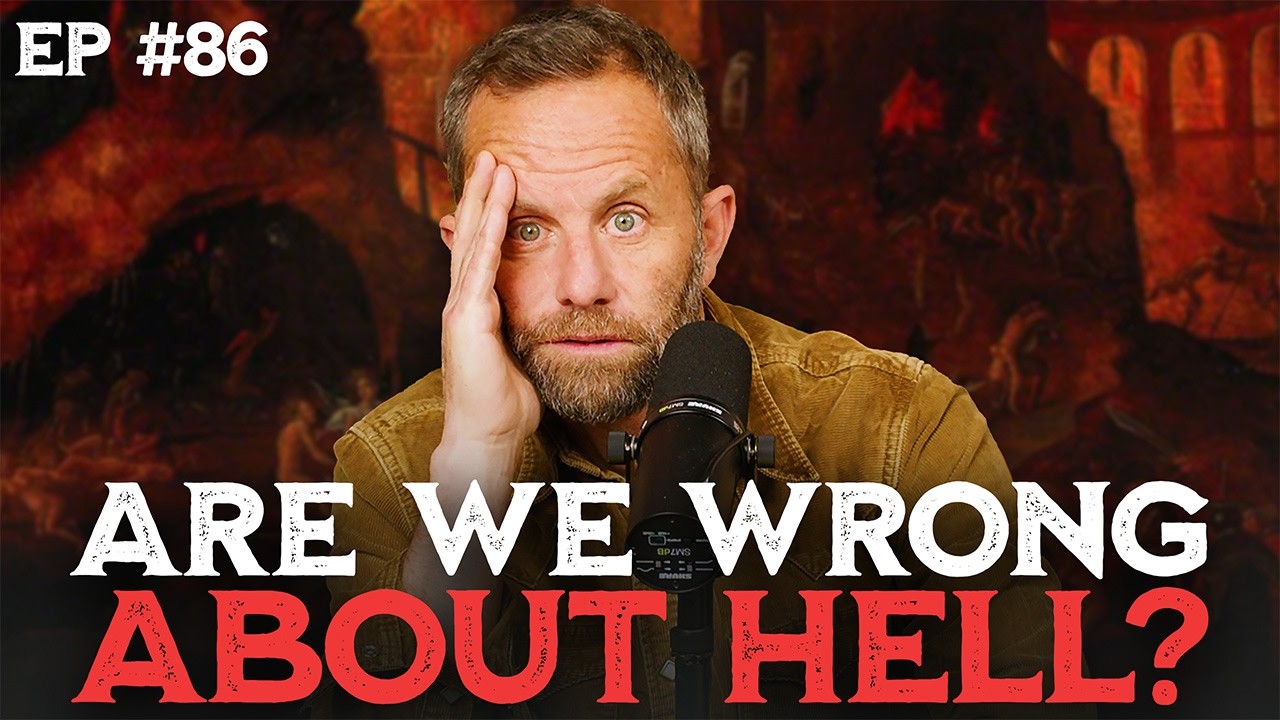
Are We Wrong About Hell? | The Kirk Cameron Show Ep 86
What happens to the wicked after the final judgment? It is a question many Christians avoid, but on this episode of The Kirk Cameron Show, Kirk Cameron and his son James take it on directly. In Are We Wrong About Hell?, they compare two views held by Christians, eternal conscious torment and annihilationism (sometimes called conditional immortality), and walk through the Scriptures that each side uses. The conversation is candid and personal, and it shows how Cameron has come to his current position.
Video Summary
James explains that the topic grew out of an earlier discussion about degrees of sin and judgment. He notes that Scripture, from the Psalms to Habakkuk, wrestles with why the wicked seem to prosper, which leads naturally to the question of what final justice looks like. Both acknowledge that hell is an uncomfortable subject, but they argue that understanding it is part of knowing God’s character as revealed in His Word.
Kirk mentions that many churches have stopped discussing hell, and that some skeptics cite it as a reason they reject Christianity. He describes the Bible as God’s autobiography, revealing who He is, including His justice.
The pair then examine key passages. They note that the Old Testament often describes the fate of the wicked with words such as “die,” “perish” and “destroy,” and they discuss Matthew 3:12, Psalm 37:20 and Matthew 25:46. According to Cameron, these texts suggest that the punishment of the wicked is final and irreversible destruction rather than unending conscious suffering. He emphasizes that he wants to represent God’s character accurately and would accept eternal conscious torment if he believed Scripture taught it. The episode points viewers to further study from the annihilationist perspective.
Key Takeaways
- Hell is a difficult but important topic for understanding God’s justice.
- Christians hold different views on the final fate of the wicked.
- Eternal conscious torment teaches unending suffering; annihilationism teaches final destruction.
- The Old Testament frequently uses language of death, perishing and destruction for the wicked.
- Interpretation of “eternal punishment” in Matthew 25:46 is central to the debate.
- Cameron says his goal is to represent God’s character faithfully according to Scripture.
Why Talk About Hell at All?
Cameron admits that nobody enjoys thinking about hell, yet he believes avoiding it leaves believers with an incomplete picture of God. Just as Christians embrace messages of love, peace and forgiveness, they must also understand God’s justice. He references a book by Francis Chan addressing the trend of churches neglecting the topic, and acknowledges that critics often point to hell as a reason not to believe.
Two Views of the Final Judgment
James describes the view he grew up with: that the wicked will be cast into the lake of fire and consciously suffer forever. The alternative they discuss is annihilationism, which teaches that the wicked will ultimately be destroyed and cease to exist after judgment, while only believers receive eternal life as God’s gift.
They highlight that the Old Testament frequently describes judgment with language of death and destruction. Ezekiel 18:4, for example, says, “The soul who sins shall die.” They also point to Psalm 37:20, which says the wicked shall perish and vanish like smoke.
Unquenchable Fire and Eternal Punishment
Discussing Matthew 3:12, where John the Baptist says the chaff will be burned with unquenchable fire, they suggest the fire may be unquenchable while what it burns is consumed. They acknowledge the opposing view, using the burning bush as an example of something that burns without being consumed.
The most significant passage they consider is Matthew 25:46: “And these will go away into everlasting punishment, but the righteous into eternal life.” Traditionally, this has been read as teaching that punishment lasts as long as eternal life. Cameron, however, argues that “eternal punishment” may refer to a punishment whose result is permanent, comparing it to “eternal salvation,” which describes a completed salvation with eternal effects rather than an endless process of being saved.
Representing God’s Character
Cameron says he would believe in eternal conscious torment if he were convinced Scripture taught it, but he has come to believe it does not. He stresses that hell remains a place no one should want to go, but that he sees mercy even in God’s judgment. For him, accurately representing God’s character matters greatly. Viewers should note that many Christian traditions continue to hold to eternal conscious punishment, and the debate remains active among sincere believers. For more from Cameron, see What’s the Point of Prayer If God Is Sovereign? and Your Kids Need You More Than You Know.
Frequently Asked Questions
What is annihilationism?
Annihilationism, also called conditional immortality, is the view that the unsaved will ultimately be destroyed after judgment rather than suffer consciously forever.
What view does Kirk Cameron hold on hell?
In this episode, Cameron expresses support for annihilationism, while acknowledging the traditional view of eternal conscious torment and saying he would accept it if convinced Scripture taught it.
Which Bible verses are discussed?
Key passages include Matthew 3:12, Matthew 25:31-46, Psalm 37:20 and Old Testament texts describing judgment as death and destruction.
Final Thoughts
Are We Wrong About Hell? models a thoughtful, Scripture-centered conversation on a difficult doctrine. Kirk Cameron and his son wrestle honestly with the text, aiming to represent God’s character faithfully. Whatever view readers hold, the episode encourages them to study the Bible carefully, take God’s judgment seriously and rejoice in the gift of eternal life offered through Jesus Christ.