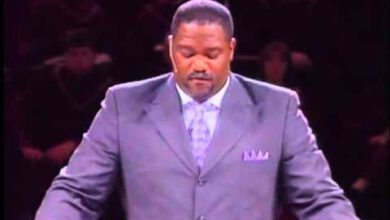
Gospel Clarity | Voddie Baucham | Shepherd’s Conference 2022
In a world where the definition of the gospel is often diluted or confused, Christians face a critical need for clarity and conviction about the powerful message God has entrusted to us. Today, more than ever, our culture tries to redefine what the gospel means—tacking its name onto every trend or social movement, yet often leaving behind the life-changing essence of salvation through Christ alone. As believers, we are called not only to understand but to boldly declare the authentic gospel, especially when the world says it’s no longer palatable or sufficient. Let’s dive into the timeless truth of Romans 1:16-17 and rediscover what it means to stand for the real, unchanging good news of Jesus Christ.
The Gospel: More Than a Trend or a Buzzword
Imagine tasting a fresh strawberry in a sunlit field, savoring its sweetness straight from nature. Now, compare that to the processed “strawberry” flavor in a store-bought slushie—sugary, colorful, and chemical-laden, but lacking the real thing. Over time, the slushie becomes what people crave, so much so that when faced with an actual strawberry, its genuine taste seems foreign or even disappointing. Sadly, this mirrors what has happened to the gospel in our generation. The message has been watered down, replaced by convenient imitations, attached to every cause until it loses its substance.
Years ago, there was a recognition across many churches that something vital had been lost in ministry. The core of the good news—Christ’s work for sinners—was being neglected, replaced by popular movements and methods. In response, there was a push to bring the gospel back to the center, but even this became a fashionable catchword rather than a true return to biblical truth. Today, we see “gospel” attached to events, ideas, and even bake sales. Yet in the rush to label everything as gospel, the real heart of the message is often forgotten, and people are left with the sweetened imitation, not the real fruit.
When the Gospel Gets Replaced
The danger isn’t just that the word loses meaning, but that real clarity about salvation slips away. Social justice, reconciliation, activism—these can be important pursuits, but when they are proclaimed as “the gospel,” the church steps onto dangerous ground. These issues, as vital as they may seem to some, are not substitutes for the saving message of Christ. In fact, they often drift toward law—burdens and expectations—rather than the freeing grace extended through the cross. Ironically, the more we try to attach the gospel to everything, the more we miss what makes it the only power to save.
There’s a subtle and destructive shift happening. Many Christians—especially young believers raised on a steady diet of “gospel-lite” content—now hear the real gospel message and find it unappetizing, even offensive. The message about sin, repentance, and redemption by Christ alone has been traded for popular books and philosophies that focus on social change, personal empowerment, or victimhood. But when the church lets outside ideologies redefine what the good news is, we are at risk of losing it entirely.
The Need for Gospel Clarity: Lessons from Romans 1
Paul writes in Romans 1:16-17, “For I am not ashamed of the gospel, for it is the power of God for salvation to everyone who believes, to the Jew first and also to the Greek. For in it the righteousness of God is revealed from faith for faith, as it is written, ‘The righteous shall live by faith.’” In these verses, Paul lays out four unshakeable realities about the gospel. Let’s examine why these truths are more vital than ever for the church today.
1. Don’t Be Ashamed of the Gospel
The apostle Paul’s words are bold and challenging. In his day, to preach the gospel meant risking arrest, beatings, and rejection. He wasn’t given honored titles or asked to speak at prestigious events; instead, he was frequently treated like a criminal. Despite this, Paul declared he was not ashamed of the gospel, even when others viewed his message as foolish or offensive.
Contrast that with our situation today. Modern Christians often enjoy cultural acceptance and respect, yet are tempted to shy away from proclaiming the whole truth of the gospel. When given opportunities to speak publicly or influence society, we can fall into the trap of softening the message, compromising so we fit in, or believing that addressing moral or societal issues is more essential than preaching Christ crucified. But just as Paul urged Timothy to “preach the word; be ready in season and out of season” (2 Timothy 4), we must resist the urge to hide or water down what God has called us to share.
2. Have Confidence in the Gospel’s Power
It is not enough merely to avoid shame; we must be confident that the gospel is indeed “the power of God for salvation.” So many look for answers elsewhere—philosophy, psychology, politics, or activism—but nothing else can transform a heart and grant true reconciliation with God. Paul reminded the Corinthians, “the word of the cross is folly to those who are perishing, but to us who are being saved it is the power of God” (1 Corinthians 1:18).
The gospel is not a half-measure. It’s not just how we enter the faith; it’s how we grow, how our marriages are healed, how we learn to parent, how our churches are revived, and ultimately how communities and nations might truly change. If we lose confidence in the gospel’s sufficiency, we begin to look elsewhere for solutions. But all true change starts at the cross, where human sin meets God’s grace and power.
3. The Gospel Is for Everyone—No Exceptions
Paul’s message was clear: this is the power of God “for everyone who believes.” In our divided world, identity politics and movements that pit oppress