Can We Know What the Scripture Means? (Selected Scriptures) | John MacArthur | GTYtv
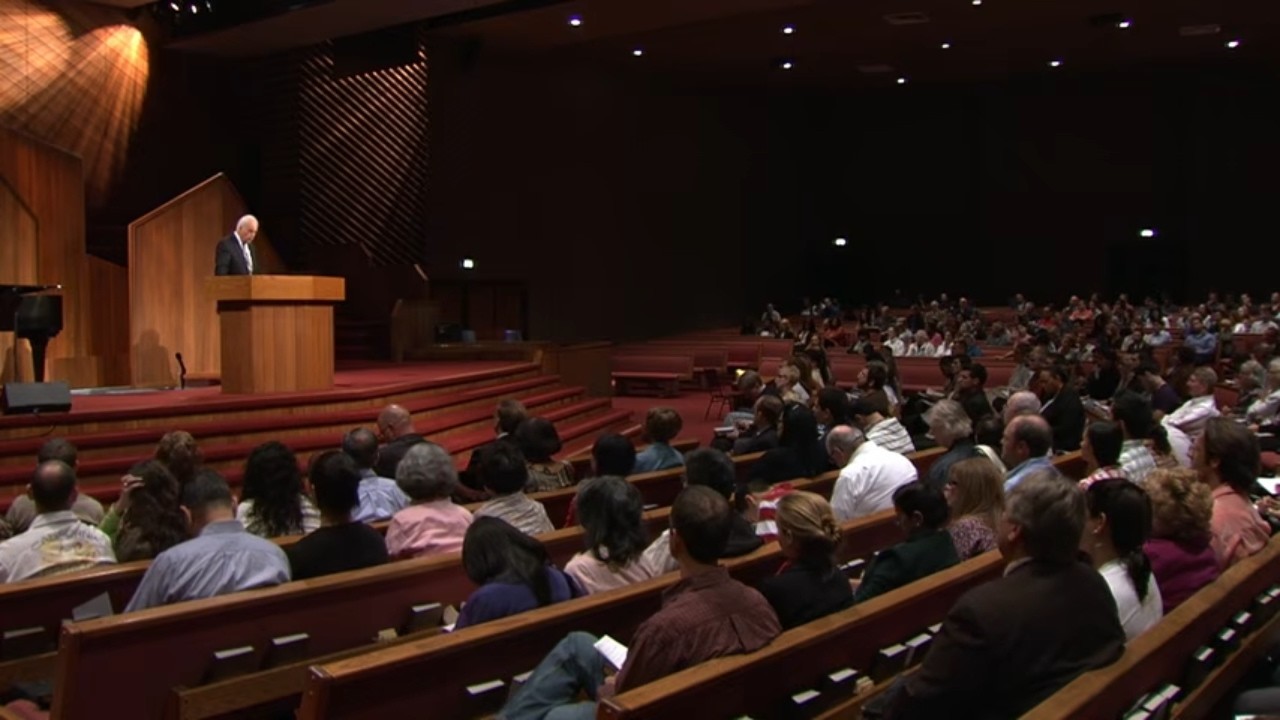
In the sermon Can We Know What the Scripture Means?, John MacArthur of Grace Community Church addresses a growing claim in some Christian circles: that the Bible’s meaning is so uncertain that confidence in interpretation is arrogant or even idolatrous. MacArthur argues that Scripture is clear, that God intended it to be understood, and that the real obstacle to understanding is not ambiguity in the text but the condition of the human heart.
Video Summary
MacArthur opens by describing an article in a national Christian periodical suggesting that reading the Bible could overturn long-held beliefs through new experiences and intuitive insights. He notes that critics of strong doctrinal conviction often ask how anyone can claim to know what the Bible means when so many people disagree. He identifies an approach sometimes called the “hermeneutics of humility,” which treats confident interpretation as inherently proud.
He reads from a letter he received in which a man described certitude about the Bible as idolatrous, and quotes others who suggested that clarity is overrated or that the gospel is not a matter of certainties. MacArthur then lays out his response: unbelievers cannot spiritually grasp Scripture, but believers, taught by the Holy Spirit, can. Moreover, Scripture is clear enough to make every sinner accountable before God. He supports this from the words of Jesus and from the audience and purpose of the New Testament letters.
Key Takeaways
- MacArthur rejects the idea that confidence in the Bible’s meaning is inherently arrogant.
- Unbelievers do not receive the things of God, because spiritual understanding requires the Holy Spirit.
- Those who belong to God hear His words, and believers have “the mind of Christ.”
- Scripture is clear enough to make sinners morally responsible before God.
- People reject the light not because it is unclear, but because they love darkness.
- Jesus repeatedly asked, “Have you not read?”, assuming Scripture could be understood.
- Most New Testament letters were written to ordinary believers, not scholars.
The Myth of Ambiguity
MacArthur describes the view that no one can truly know what the Bible means as a kind of interpretive skepticism dressed up as humility. Under this approach, he explains, anyone who claims to understand Scripture with confidence is assumed to be arrogant. He cites several examples from letters and contemporary authors that downplay clarity and certainty in favor of mystery, shock or ambiguity.
His concern is that this mindset leads to a conclusion that not only can we not know what the Bible means, but it may not even matter. For MacArthur, whose ministry has focused on verse-by-verse exposition, this view undermines the very purpose of preaching and teaching Scripture.
Why Some Cannot Understand
MacArthur acknowledges a real truth behind the claim that the Bible is hard to understand. The unconverted, he says, cannot spiritually comprehend God’s Word. 1 Corinthians 2:14 says the natural man does not receive the things of the Spirit of God, because they are foolishness to him. First Corinthians 1 adds that the message of the cross is foolishness to those who are perishing.
He turns to John 8:43-47, where Jesus asked His opponents why they did not understand His speech and answered that they could not hear His word because they were not of God. In John 14:17, Jesus says the world cannot receive the Spirit of truth. Since the Holy Spirit is both the author and the teacher of Scripture, MacArthur explains, those who do not know Him are cut off from true understanding. In his view, the presence of many unbelievers within professing Christianity helps explain why the idea of an unclear Bible has gained traction.
Believers Can Know the Truth
Yet the same passage in John 8 also says, “He who is of God hears God’s words.” MacArthur connects this with John 10:27, “My sheep hear My voice,” and with Paul’s statement that believers have “the mind of Christ.” He points to the purpose statement in John 20:31 and 1 John 5:13: these things were written so that people might believe and know they have eternal life.
According to MacArthur, Scripture is clear enough for a sinner, under the regenerating work of the Holy Spirit, to come to a true and saving understanding. For readers interested in his broader teaching on discernment, see Testing the Spirits.
Clear Enough to Make Sinners Accountable
MacArthur builds an argument from the lesser to the greater. Romans 1 teaches that people are without excuse because of God’s revelation in creation. Romans 2 says the law of God is written on the heart and conscience. If people are accountable for what they can know through creation and conscience, he reasons, they are all the more accountable for the written and preached Word.
He illustrates this with Acts 24, where the Roman governor Felix listened to Paul speak about righteousness, self-control and the judgment to come, and became afraid. Felix clearly understood enough to be convicted. MacArthur insists that God’s Word is not secret code or hopelessly confusing allegory; it is clear communication.
The decisive text, he says, is John 3:19-21: “This is the condemnation, that the light has come into the world, and men loved darkness rather than light, because their deeds were evil.” People do not reject the gospel because they cannot figure it out, MacArthur says, but often because they understand it and do not want to submit to it. He adds that Hebrews 10 warns of greater accountability for those who know the truth and reject it.
Jesus Assumed Scripture Could Be Understood
MacArthur notes that in all of Jesus’ conversations and disputes, He never excused anyone by saying the Old Testament was too old or too unclear. Although His listeners lived centuries after Moses and David, Jesus repeatedly asked, “Have you not read?” (Matthew 12:3, 12:5, 19:4, 22:31). In Matthew 22:29, He told the Sadducees, “You are mistaken, not knowing the Scriptures nor the power of God.” Each time, MacArthur says, the assumption was that reading should have led to understanding.
He acknowledges that the Old Testament is more fully explained in the New, and that the prophets themselves searched to understand the timing of what they wrote, as 1 Peter 1 notes. But what is revealed, he says, is comprehensible.
Letters Written to Ordinary Believers
Finally, MacArthur points out that most New Testament letters were not addressed to scholars or even pastors, but to entire congregations: “the church of God which is at Corinth,” “the churches of Galatia,” “all the saints in Christ Jesus who are in Philippi.” Romans, often considered complex, was addressed to believers in Rome who were largely Gentiles with little background in the Old Testament. Colossians 4:16 even instructs that the letter be read aloud in the church and passed on to Laodicea.
MacArthur suggests that the difficulty many people experience comes less from the text itself and more from centuries of poor interpretation that have muddied what is plain. For more of his expository teaching, see The Benefits of Abiding in Christ, Part 1.
Frequently Asked Questions
What is the “hermeneutics of humility”?
MacArthur describes it as an approach that claims it is too proud to say we know what the Bible means, treating confident interpretation as arrogance.
Why does MacArthur believe unbelievers struggle to understand Scripture?
Citing 1 Corinthians 2:14 and John 8, he teaches that spiritual understanding requires the Holy Spirit, whom the world does not know.
Is the Bible clear according to John MacArthur?
Yes. He argues that Scripture is clear enough to save believers through the Spirit’s work and to hold all people accountable before God.
Final Thoughts
Can We Know What the Scripture Means? is a confident defense of the clarity of God’s Word. John MacArthur challenges the idea that uncertainty is a virtue and reminds believers that God has spoken in order to be understood. For Christians who sometimes feel intimidated by Scripture, the message is encouraging: the Bible was written for ordinary people, and through the Holy Spirit, believers can know and live by its truth.
