Evil Does Not Disrupt God’s Plan (Selected Scriptures) | John MacArthur | GTYtv
Why does God allow evil and suffering? It is one of the oldest and hardest questions in theology. In this GTYtv message, John MacArthur tackles it head-on with characteristic clarity. In Evil Does Not Disrupt God’s Plan, MacArthur argues from Scripture that God is sovereign over evil, that He allowed it for His own glory, and that the cross reveals both His righteousness and His mercy in ways that could not otherwise be seen.
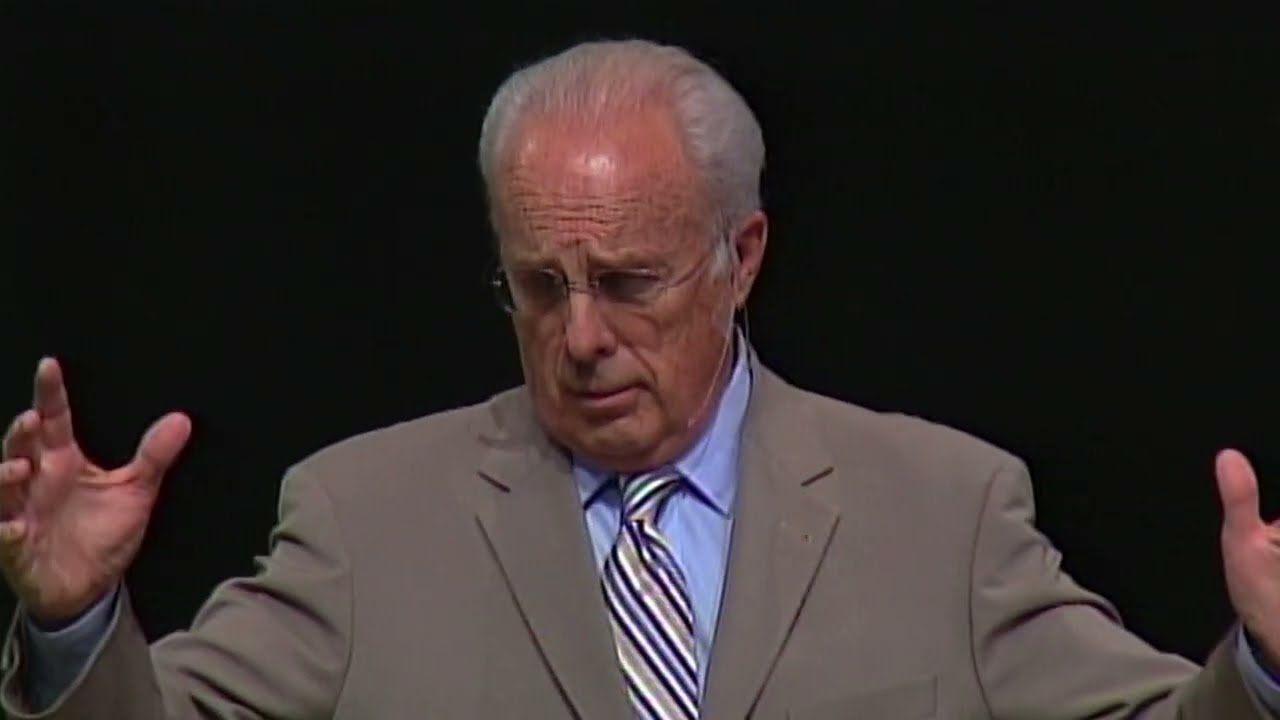
Video Summary
MacArthur begins by acknowledging the weight of the question. God exists, evil exists, and God permitted evil to exist. He introduces the term “theodicy,” the attempt to defend God’s justice in light of evil, and briefly surveys philosophical approaches. One metaphysical view treats evil as an inevitable counterpart to good, like yin and yang. MacArthur shares a story about a private conversation with a well-known Hollywood figure who told him his dogmatic claims about truth were throwing off the universe’s balance; after listening for an hour, MacArthur spent an hour sharing the gospel.
While conceding that evil is not something God created and can be understood as a privation or rebellion against what God made good, MacArthur insists that philosophy alone cannot answer the question. He turns to Scripture, especially Romans, to show that God permitted evil in order to display His glory: His righteousness, love, wrath and mercy.
The heart of the message centers on the cross. MacArthur reflects on the three hours of darkness while Jesus hung on the cross, suggesting it may represent the full outpouring of God’s judgment on His Son for the sins of His people. He concludes with Job’s humble response before God and a prayer of worship to the sovereign Lord who will one day remove evil forever.
Key Takeaways
- Theodicy is the effort to defend God’s justice in the presence of evil.
- Evil is not a created substance but a rebellion against what God made good.
- Our unrighteousness puts God’s righteousness on display (Romans 3:5).
- The cross reveals God’s righteousness and love more clearly than anything else.
- God demonstrates both His wrath and His mercy (Romans 9:22-23).
- God controls evil; evil never controls God.
Philosophical Answers Fall Short
MacArthur explains that various metaphysical systems claim evil must exist simply as a contrast to good. He acknowledges a partial truth here: evil can be understood as a deprivation, and it is not something God created as a substance. But such explanations do not go far enough. They do not tell believers why a holy, all-powerful God would allow evil to enter His universe. For that, MacArthur turns to the Bible.
Unrighteousness Displays God’s Righteousness
MacArthur highlights a key phrase from Romans 3:5: “our unrighteousness demonstrates the righteousness of God.” Human sin, corruption and rebellion put God’s holiness on display by contrast. Nowhere, he says, is this clearer than at the cross, where God punished His holy, harmless and undefiled Son as a substitute for sinners in order to satisfy His justice.
He connects this to Romans 10, where Paul says many in Israel did not understand God’s righteousness and tried to establish their own. People underestimate how holy God is and overestimate their own goodness. MacArthur says no one truly grasps God’s righteousness until they see the cross, where even a loving and merciful God had to pour out judgment on a substitute.
The Darkness at the Cross
In a thoughtful reflection, MacArthur considers the three hours of darkness during the crucifixion. Many assume the darkness represented God’s absence, but he notes that in the Old Testament, God often manifested His presence in darkness, as at Sinai and in His covenant with Abraham. Perhaps, he suggests, those hours represented the infinite judgment of an infinite God poured out on an infinite Person. When the darkness lifted, Jesus cried, “My God, My God, why have You forsaken Me?” MacArthur proposes that Christ may have been expressing the end of that judgment presence. This, he says, displays the majesty of God’s righteousness.
Wrath and Mercy on Display
Turning to Romans 9:22-23, MacArthur notes that God, willing to show His wrath and make His power known, endured vessels of wrath with patience in order to make known the riches of His glory on vessels of mercy. He pairs this with Romans 5:8: “God demonstrates His own love toward us, in that while we were still sinners, Christ died for us.” Without sin, MacArthur argues, no one would understand wrath or mercy, and God’s glory would not be revealed in these dimensions.
He ends with Job, who after his suffering said, “I have heard of You by the hearing of the ear, but now my eye sees You,” and repented in dust and ashes. MacArthur urges believers to let God be God. The only alternatives are a God who controls evil or an evil that controls God, and the second is not the God of Scripture. Because God is sovereign over evil, believers can trust that it will never invade heaven. For more of MacArthur’s teaching, see The Benefits of Abiding in Christ and You Are What You Think.
Frequently Asked Questions
Why does God allow evil according to John MacArthur?
MacArthur teaches that God permitted evil to display His glory, including His righteousness, love, wrath and mercy, most clearly seen at the cross.
Did God create evil?
MacArthur explains that evil is not a created substance but a rebellion against and deprivation of the good that God created, yet it remains under God’s sovereign control.
What hope does this give believers?
Because God is sovereign over evil, believers can be confident that He will one day remove it completely, and that the new heaven and new earth will be free from sin and death.
Final Thoughts
Evil Does Not Disrupt God’s Plan offers a biblical framework for one of life’s hardest questions. John MacArthur does not minimize suffering, but he anchors believers in the sovereignty of God and the glory of the cross. Evil is real, but it is neither ultimate nor uncontrolled. God is working through history to demonstrate His character, and He will bring evil to a final end.
