The Hidden Root of Bitterness That Quietly Destroys Christians – Todd White
In this fiery revival message, evangelist Todd White confronts what he describes as one of the most dangerous and least discussed problems in the modern church: the root of bitterness. Beginning with what it means to be “infatuated” with Jesus and ending with a sobering warning about gossip, slander, and offense, Todd White urges believers to stop living as victims and start living as people who have truly been forgiven and set free.
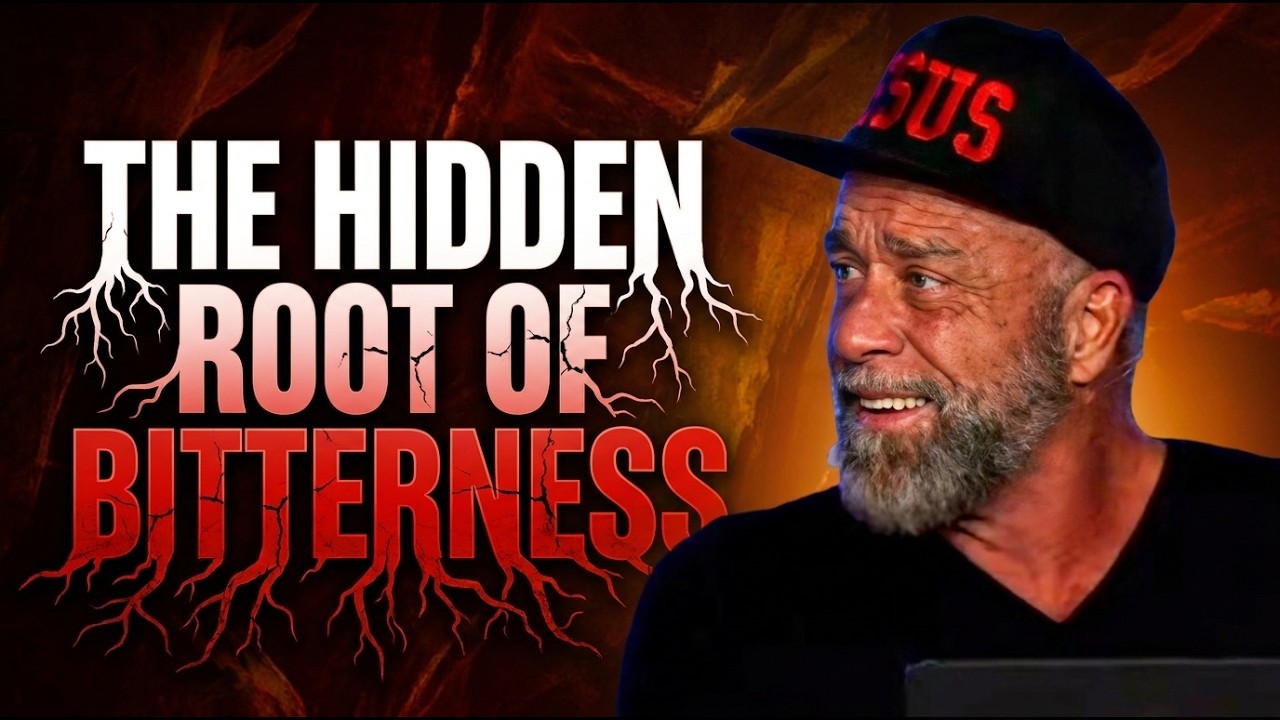
Video Summary
Todd White opens by expressing his gratitude to be alive and in God’s love. He explains that he does not live to preach; he lives to be with Jesus. For him, being “infatuated” with Christ means that every thought and action is offered to the Lord, so that there is no longer a dividing line between sacred and secular. Once a person says yes to Jesus, he argues, they die to themselves and begin to live unto Him.
From there he addresses a theme many Christians avoid: suffering. Believers often want the power of the resurrection, he says, but forget that Scripture couples it with the fellowship of Christ’s sufferings. He then moves into a discussion of honor versus praise, warning that many Christians have become dependent on the approval of people. That dependence, he says, sets the stage for offense, and offense left unchecked becomes bitterness.
The second half of the message is a direct, sometimes uncomfortable challenge. Todd White describes how unforgiveness turns into gossip, how gossip spreads poison through relationships and churches, and how believers can unknowingly partner with the “accuser of the brethren.” He closes with the image of God sitting in the “theater room” of every heart, watching everything that passes across the screen.
Key Takeaways
- Living for Jesus removes the false divide between sacred and secular life.
- The power of the resurrection is connected to the fellowship of Christ’s sufferings.
- It is fine to receive honor, but it is unhealthy to need the praise of people.
- Christians are called to be victorious, not to build an identity around past hurts.
- Offense, unforgiveness, and gossip are signs of a bitter root that poisons the heart.
- God sees every thought and conversation, which should shape how believers speak about others.
No Separation Between Sacred and Secular
Todd White begins by redefining what it means to follow Jesus. In his view, the church introduced a split between “spiritual” activities and everyday life, but God never intended that separation. When someone truly surrenders to Christ, their work, conversations, and private moments all become worship. He summarizes the gospel in a series of paradoxes: dying to live, giving to gain, and humbling oneself so that God can be exalted in you.
He makes a careful distinction here. When believers are humble, God does not exalt them so much as He exalts Himself in them. That, according to Todd White, keeps success from going to a person’s head. It remains in the heart because there is no “me” that needs to be lifted up.
Resurrection Power and the Fellowship of Suffering
Many people are eager to experience the power of God, Todd White says, but few realize what comes with it. He points to Paul’s prayer in Philippians 3:10, where knowing Christ and the power of His resurrection is paired with “the fellowship of His sufferings.” Saying yes to Jesus, he explains, is signing up to die to self, and that death does not always feel good.
Honor Versus the Need for Praise
A major turning point in the message is Todd White’s teaching on honor. He references Jesus’ words in John 5:44, where Jesus asks how people can believe when they receive honor from one another rather than seeking the honor that comes from God. Todd White says it is good to be encouraged and appreciated, and it can be healthy for someone to say, “I’m proud of you.” The problem begins when a believer needs that affirmation to survive.
When people live for approval, he says, they become easily wounded. Every unmet expectation becomes a personal injury, and that is fertile soil for offense.
Victims or Victorious?
One of the most quoted lines of the sermon is Todd White’s insistence that Jesus “didn’t pay a price for a bunch of victims.” He challenges believers who continue to boast in old hurts, sometimes decades old, and gather others around a shared story of being wounded. In his view, the more people center their identity on what was done to them, the more they step back from the gospel and from love.
He draws a helpful distinction: there is a difference between being hurt by people and hurting for people. The gospel, he says, empowers believers to carry compassion for others rather than nurse wounds from them. If a person truly understands how much grace they have received, he argues, they will find it impossible to hold things against others.
How Bitterness Spreads Through Gossip
The final section is a pointed warning about what unforgiveness produces. According to Todd White, when believers cannot let go of offense, they often begin to talk. A story gets passed along, a screenshot gets sent, and a “prayer request” becomes a vehicle for slander. He describes this as partnering with the accuser of the brethren, described in Revelation 12:10, and as poisoning someone else’s well.
This mirrors the warning in Hebrews 12:15 that a root of bitterness springs up to cause trouble and defile many. Todd White admits that this is “not the happy message,” but he insists it is a revival message, because revival requires clearing dead and poisoned things out of the heart. He ends with the image of God sitting in the theater room of the soul, seeing everything that plays across the screen, and asks whether God is pleased with how His people speak about one another.
For more teaching from Todd White on related themes, see Conviction vs Condemnation and Breaking the Snare of Fear.
Frequently Asked Questions
What does Todd White mean by the “root of bitterness”?
He means unforgiveness and offense that settle in the heart and eventually produce gossip, slander, and division, poisoning both the person and those around them.
How can Christians avoid becoming bitter?
According to Todd White, believers should remember the grace they have received, refuse to build an identity around old hurts, and stop needing the praise of people.
Is it wrong to receive honor from others?
No. Todd White says honor and encouragement are good, but believers should not depend on human praise to feel secure.
Final Thoughts
This message is a direct invitation to examine the heart. Todd White’s call is not to pretend that hurt never happened, but to refuse to let it define a life that has been purchased by the cross. As he puts it, believers are not meant to be victims; they are meant to be victorious, free from offense, and full of love for the very people who may have wounded them.
