Voddie Baucham: The Peace That Comes from Trusting God Completely
In this conference message, Voddie Baucham on trusting God completely takes listeners deep into Ephesians 4 to show that real peace in the Christian life does not come from a mystical “breakthrough” or a special channel to heaven. Instead, it comes from the slow, steady work of sanctification, as believers put off the old self, are renewed in their minds, and put on the new self created in the likeness of God. Baucham argues that the mind is at the center of this transformation, and that many Christians have overlooked how much Scripture says about our thinking.
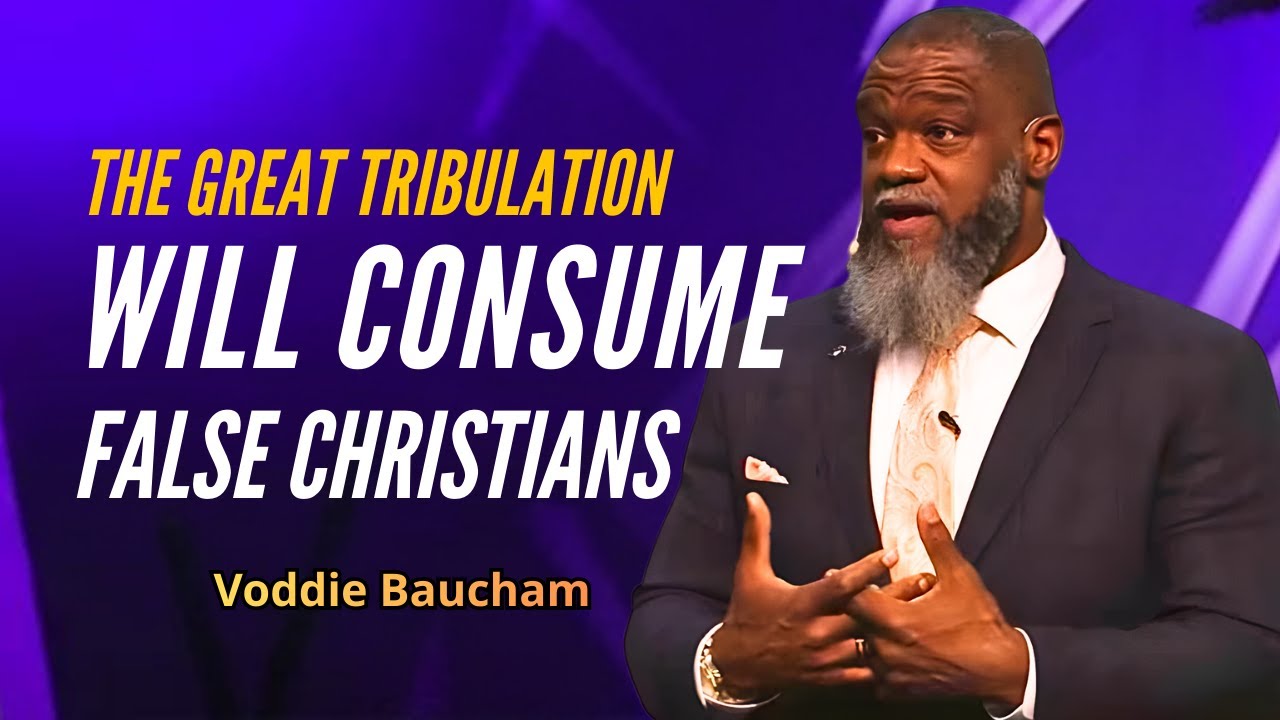
Video Summary
Speaking as part of a series on the mind of Christ, Baucham opens by clarifying what Christianity is not. It is not mere moralism, where Jesus serves only as an example to imitate, and it is not legalism, where people earn God’s favor through law-keeping. Rather, Christianity is about being redeemed through the person and work of Christ, transformed by that redemption, and gradually conformed to His image. That lifelong process is what theologians call sanctification.
He then challenges a common view among believers: the idea that spiritual maturity means getting more “in tune” with a heavenly frequency so that one can receive direct, unmediated messages from God apart from Scripture. Baucham describes this as closer to Eastern mysticism than to biblical faith. According to him, there is no magic shortcut; believers must develop the mind of Christ through the Word.
From there he walks through Ephesians 4:17-24, pointing out how often Paul uses words connected to thinking: mind, understanding, ignorance, learning, and being taught. He explains the relationship between the “indicatives” of Scripture (statements of who we are in Christ) and the “imperatives” (commands about how to live), noting that the first three chapters of Ephesians contain no commands at all. He also traces how the world, the flesh, and the devil shape the unbeliever’s thinking, shares his own testimony of coming to faith at university, and closes with a call to put off the old self and put on the new by God’s grace.
Key Takeaways
- Christianity is neither moralism nor legalism; it is redemption and transformation through Christ.
- Spiritual growth does not come through mystical experiences but through renewing the mind with Scripture.
- The “indicatives” of who we are in Christ always come before and empower the “imperatives” of how we live.
- The world, the flesh, and the devil work together to shape how unbelievers think, and that conditioning runs deep.
- Sanctification is a lifelong process of identifying the old self, putting it off, and putting on the new self.
- Believers can have real confidence because the new self has already been created in true righteousness and holiness.
Not a Magic Channel, but a Renewed Mind
One of the most striking parts of the message is Baucham’s critique of what he sees as a popular but mistaken view of the Christian life. Many people, he says, imagine that conversion opens a kind of direct line to heaven, and that the most spiritual believers are simply those who hear that inner voice more clearly. In this picture, Scripture becomes secondary, and what Christians really need is some fresh experience or breakthrough.
Baucham rejects this firmly. He explains that “immediate” knowledge in the theological sense means knowledge without a mediator, and he insists that God has given His Word as the means by which His people learn to think His thoughts after Him. The peace that comes from trusting God, in his view, is not found in chasing feelings but in resting on what God has clearly revealed. Paul’s instruction in Ephesians 4:23 to “be renewed in the spirit of your mind” makes the point plainly: transformation happens through the mind being reshaped by truth.
Indicatives Before Imperatives
To explain how believers are able to change, Baucham draws a helpful distinction. An indicative statement tells you what something is; an imperative tells you what to do. Scripture contains both, and he argues they must never be separated. The indicatives describe what God has accomplished for us in Christ and who we now are as a result. The imperatives describe what we have been enabled and empowered to do because of that work.
He points out that Ephesians is structured around this pattern. Chapters 1 through 3 contain no commands at all; they simply describe the believer’s identity and blessings in Christ, ending with a doxology in Ephesians 3:20-21. Chapter 4 then begins with “therefore,” and commands appear for the first time, but always alongside more indicatives. Since indicatives appear in both halves of the letter, Baucham concludes that they carry the greater weight.
This matters because many Christians, he says, believe they were justified by grace but must now be sanctified by their own effort, as if grace did its job and then sat down. Baucham calls believers to see that the same grace that justifies also empowers obedience. That understanding removes the anxiety of trying to make oneself holy in the strength of the flesh, and it is a key source of the peace the title describes.
The World, the Flesh, and the Devil
Baucham spends considerable time on Ephesians 2:1-3 and Romans 8:5-8 to show how deeply sin affects human thinking. Before conversion, people follow “the course of this world,” are influenced by “the prince of the power of the air,” and carry out the desires not only of the body but also of the mind. Quoting the 1689 Second London Baptist Confession, he notes that fallen humanity is by nature indisposed toward good and inclined toward evil.
He describes “the world” in this context as a system organized in opposition to God, one that teaches people what to think and how to think. According to Baucham, the world often offers close imitations of God’s good gifts, such as marriage and family, while detaching them from their biblical meaning. He gives several examples from contemporary culture to illustrate how the world can lead people to feel righteous while opposing God’s design. His point is that unbelievers are often unaware of how thoroughly they have been conditioned, which is why the renewing of the mind is so necessary.
Interestingly, he remarks that the devil does not need to spend much effort on many people, because the world and the flesh already do the work well. Still, he reminds listeners that Scripture takes the enemy seriously.
Learning Christ and Putting On the New Self
Turning to verse 20, Baucham highlights Paul’s phrase “that is not the way you learned Christ.” Believers have heard about Christ and been taught in Him “as the truth is in Jesus.” He shares his own story of being raised by a single Buddhist mother in Los Angeles and first hearing the gospel at university. When asked how sure he was that he would go to heaven, he answered that he was about 95 percent confident because he considered himself a good person, an answer that revealed how much he had absorbed the world’s way of thinking.
Baucham uses a familiar illustration from marriage to show how hidden assumptions surface. Two people may enter marriage sure they agree on what a husband and wife should be, only to discover that they meant very different things. In the same way, coming to Christ exposes worldview assumptions that need to be unlearned and relearned in light of Scripture.
The message culminates in Ephesians 4:24: believers are to put on the new self, created after the likeness of God in true righteousness and holiness. Baucham stresses that this is why there is real hope. The old self can be put off because it is inconsistent with who the believer now is, and the new self can be put on because it is genuinely real. By the Spirit, Christians are being conformed to the image of Christ, becoming more like Him today than yesterday.
Readers who want to explore related teaching can also read The Mind of Christ in the Believer, which introduces this same theme, and Gospel Clarity, where Baucham addresses the heart of the gospel message.
Frequently Asked Questions
What is the main passage Voddie Baucham teaches from in this message?
He focuses on Ephesians 4:17-24, while also drawing on Ephesians 2:1-3, Ephesians 3:20-21, and Romans 8:5-8 to explain how the mind is involved in sin and sanctification.
What does Baucham mean by indicatives and imperatives?
Indicatives are statements describing who believers are because of Christ’s work, while imperatives are commands about how to live. He teaches that the indicatives always ground and empower the imperatives, so obedience flows from grace rather than self-effort.
Why does Baucham criticize seeking a “heavenly frequency”?
He believes the idea of gaining direct spiritual knowledge apart from Scripture resembles mysticism more than biblical Christianity. In his view, believers grow by having their minds renewed through God’s Word, not by seeking special experiences.
Final Thoughts
This message offers a clear, Scripture-centered picture of how believers grow. Rather than chasing spiritual shortcuts, Voddie Baucham invites Christians to recognize how deeply their thinking has been shaped by the world, to rest in what Christ has already accomplished, and to pursue the steady work of putting off the old self and putting on the new. The peace he describes is the peace of trusting that God’s grace not only saves but also transforms, conforming His people more and more to the image of His Son.
