The Battle for Self-Control – Dr. Charles Stanley
Most people can point to at least one area of life that feels out of control, whether it is spending, habits, attitudes, relationships, or words. In this In Touch message, Dr. Charles Stanley addresses the battle for self-control from Galatians 5, explaining why a life out of step with God produces constant inner tension, and how surrender to the Holy Spirit makes genuine self-control possible.
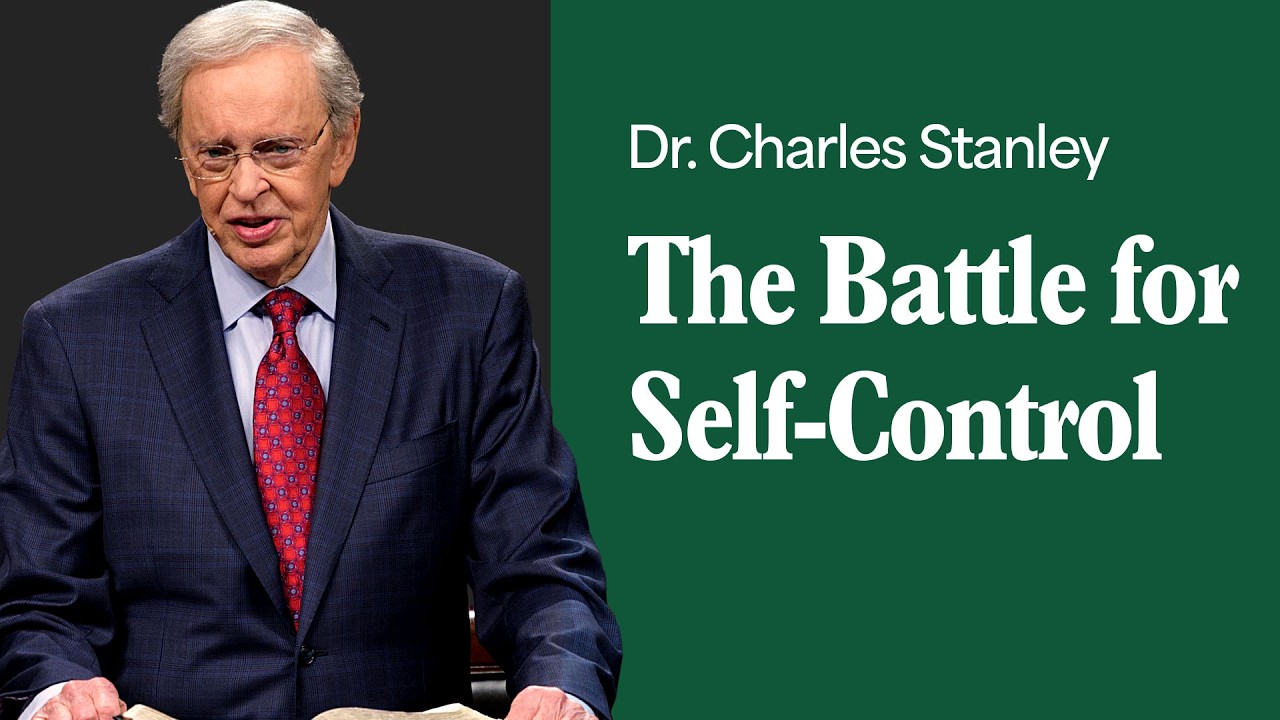
Video Summary
Stanley opens with a series of searching questions. Are your finances out of control? Your moral life? Your relationships, attitudes, or tongue? He mentions drinking, drugs, gambling, gossip, a critical spirit, and laziness as examples of things that do not fit who believers are meant to be. Then he points to Paul’s list of the fruit of the Spirit in Galatians 5:22-23, which ends with self-control.
He describes the experience of living out of agreement with God as a tug of war. God wants one thing, the person wants another, and the result is stress, unease, and a lack of real peace and joy. Stanley then explores common desires that can take control of a life, defines self-control, contrasts the works of the flesh with the fruit of the Spirit, and offers practical questions to ask before acting. He closes with Paul’s warning about sowing and reaping.
Key Takeaways
- Living in disobedience to God creates an inner tug of war that robs a person of peace and joy.
- Many natural desires, such as acceptance, pleasure, security, achievement, and attractiveness, can become controlling if left unchecked.
- Stanley defines self-control as thinking before you act and seriously considering the results.
- Paul’s warning in Galatians 5 is about those who practice sin as a lifestyle, not about occasional failure.
- Believers are not fighting alone; the Holy Spirit lives within them to enable obedience.
The Desires That Try to Take Control
Stanley walks through a list of desires that are common to everyone. There is the desire to be accepted and loved by others, the desire for pleasure, the desire for wealth and security, the desire to achieve and excel, and the desire for recognition. He also mentions the desire for happiness, for personal attractiveness, for control over others, and for self-acceptance.
Many of these desires are not wrong in themselves, Stanley explains. Wanting to look nice is not sinful. The problem comes when a desire consumes our time and thinking, or when it turns into a need to be better than someone else. He notes that the pursuit of recognition can push people to extreme and destructive choices. He also reminds listeners that God made each person uniquely; no one will ever be someone else, and comparison only breeds friction. The question is whether these desires are held in a healthy balance under God’s direction.
What Self-Control Really Means
Stanley’s definition is simple and practical: self-control is thinking before you act and seriously considering the likely consequences. Many people, he observes, act first and regret it later.
He then reads Paul’s contrast in Galatians 5:19-21, where the deeds of the flesh are listed: sexual immorality, impurity, sensuality, idolatry, sorcery, hostility, strife, jealousy, outbursts of anger, divisions, envy, drunkenness, and carousing. Paul warns that those who practice such things will not inherit the kingdom of God. Stanley pauses to address a common fear. Many people have done one or more of these things at some point. The key word, he says, is “practice.” Paul is describing a way of life, a settled pattern, not a single failure. When a person trusts Christ, these behaviors no longer fit who they are. For more on how God works from the inside out, see The Troublemaker Within Us.
Walking in the Spirit Instead of the Tug of War
Stanley asks listeners to examine whether their conduct, the places they go, and how they spend their money match their identity as followers of Jesus. Trusting Christ, he says, means turning your back on sin. That does not mean never sinning again, but it does mean committing to walk in obedience because you want the fruit of the Spirit.
How is the tension broken? By surrender. Stanley says the way out is to tell God honestly that the old way of living has not worked. He grieves over people who live their entire lives enslaved to some sin and never experience God’s love, freedom, and goodness. To those who say there are things they simply cannot give up, he responds that there is nothing a person cannot give up when they surrender their life to Christ and ask for His help. He adds plainly that a person cannot live outside of God’s will and experience real joy or peace.
You Are Not Fighting Alone
A central encouragement in the message is that self-control is not a matter of sheer willpower. Stanley says a strong desire to obey God is essential, but so is believing that the Holy Spirit within you will enable you. Jesus understood temptation and knew how corrupt society could be when He promised the Spirit. When someone trusts Christ, the Spirit comes to live within them, equipping them to overcome in whatever environment they live. It is not you against your environment, Stanley says, but you and the Holy Spirit together. That help is available for the asking and the yielding. Related guidance can be found in Making Wise Decisions.
Questions to Ask Before You Act
Stanley offers a practical set of questions to ask before making a choice:
- How will this affect me spiritually?
- How will it affect me financially?
- How will it affect my health?
- How will it affect the way others see me and my witness for Christ?
He notes that many health problems come from ignoring principles God built into the world. He also asks whether coworkers, friends, and family see a real difference in the believer’s life. No one is perfect, he says, but others should see someone who not only claims to follow Christ but lives it out. God’s best is not always easy, but nothing is better than God’s best.
Sowing and Reaping
Stanley ends with Paul’s warning in Galatians 6:7: do not be deceived, God is not mocked; whatever a person sows, that will he also reap. He says this principle holds whether someone believes it or not, and that anyone can see it at work by looking around at the consequences in people’s lives. Choices made without self-control eventually produce a harvest, but so do choices made in obedience to God.
Frequently Asked Questions
How does Charles Stanley define self-control?
He defines it as thinking before you act and seriously considering the possible results of your choices, under the guidance of the Holy Spirit.
Does Galatians 5:21 mean anyone who has sinned cannot go to heaven?
Stanley explains that Paul is referring to those who practice these sins as a lifestyle. Occasional failure is different from a settled way of life that rejects God.
How can a believer win the battle for self-control?
According to Stanley, it comes through surrender to God, a strong desire to obey, reliance on the Holy Spirit’s power, and thinking carefully about the consequences before acting.
Final Thoughts
Dr. Charles Stanley presents self-control not as grim self-discipline but as the fruit of a life surrendered to God. The inner tug of war ends when a person stops resisting God and lets the Holy Spirit take control. By thinking before acting, asking honest questions about consequences, and trusting the Spirit’s help, believers can experience the love, joy, and peace that God intends, and reap a harvest worth having.
