David Diga Hernandez: How You Can Start Having Daily Encounters with the Holy Spirit
In How You Can Start Having Daily Encounters with the Holy Spirit, evangelist David Diga Hernandez challenges believers to stop limiting God’s presence to special services or revival meetings. According to Hernandez, once someone has truly experienced the presence of the Holy Spirit, they will not want to settle for anything less, and the good news is that encounters with Him are available every single day. He outlines four practical keys: awareness, reverence, confidence and intention.
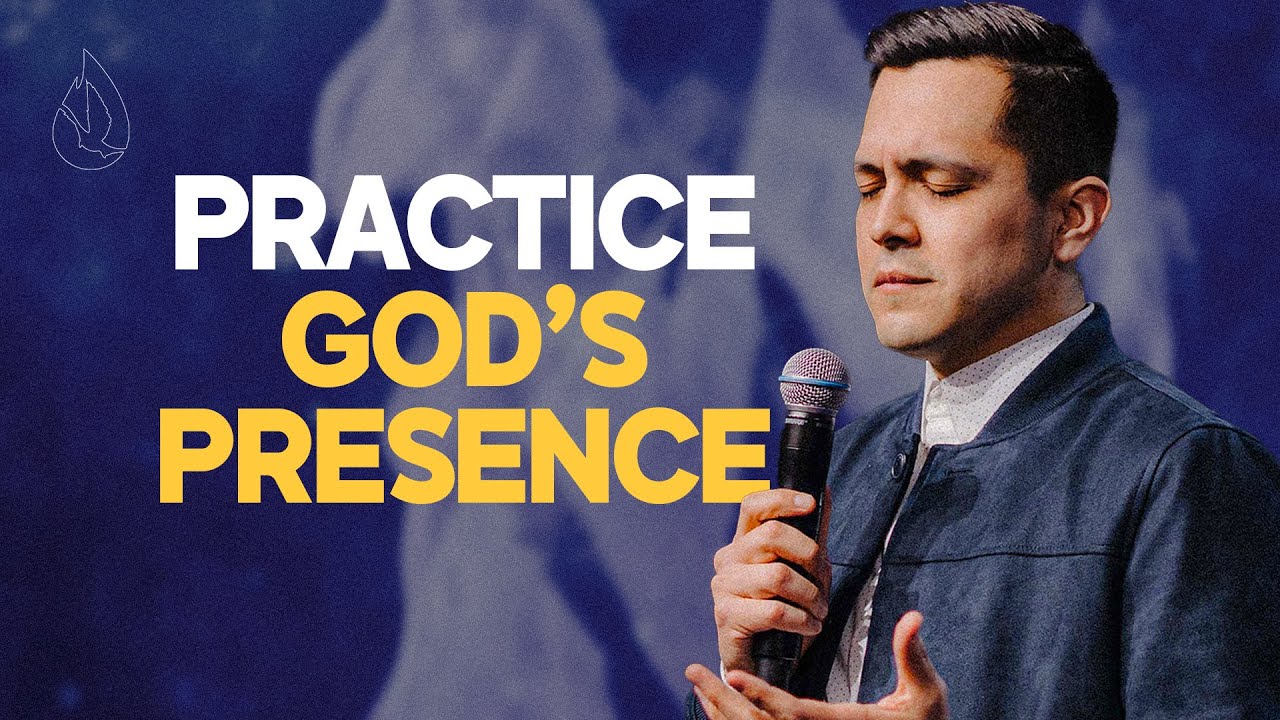
Video Summary
Hernandez opens with a bold claim: an authentic encounter with God’s glory “ruins you” for anything counterfeit or cheap. He insists that believers can experience the Holy Spirit not only in church but in their rooms, at meals, at school and at work. He recalls the early days of his ministry when he prayed for sick classmates and saw students weep under God’s presence during lunch breaks on school grounds.
He then lays out a pathway to daily encounters. First, walk in awareness of His presence. Second, reverence Him through obedience. Third, live with confidence that He is not only near but for you and in you. Fourth, practice intention by slowing down in a hurried, instant culture. Throughout, he balances his emphasis on experiencing God with a reminder that feelings are not the goal; conformity to God’s nature is.
Key Takeaways
- Encounters with the Holy Spirit are not limited to church services; they can happen anywhere.
- God’s omnipresence is His awareness of us; His manifest presence is our awareness of Him.
- The Holy Spirit desires a habitation, not just an occasional visitation.
- Reverence for the Holy Spirit is shown through obedience, not just sensitivity.
- Believers can grieve the Holy Spirit, which also means they can please Him.
- Confidence means knowing the Spirit dwells in you and is for you, even after mistakes.
- In an instant culture, intentionally slowing down is essential for spiritual depth.
Key One: Awareness of His Presence
Hernandez begins with Colossians 3:23-24: “Whatever you do, do it heartily, as to the Lord and not to men.” Everything a believer does, he says, should be done with the Lord in mind. Too often Christians confine the Spirit’s activity to worship sets and special meetings, when He can speak, give visions and make His presence felt while someone drives to work or sits at a desk.
He describes two kinds of moments: times when he felt he was pressing into God’s presence, and times when the presence of the Holy Spirit seemed to press into the room so strongly that the atmosphere felt thick and electrified. He treasures those encounters, but he is careful to say that feelings are not the point; he simply wants everything that has to do with God.
Citing Psalm 139:7, Hernandez affirms that the Holy Spirit is everywhere. When believers pray “come, Holy Spirit,” they are not asking Him to arrive from somewhere else but asking for His influence to increase. He offers a helpful distinction: God’s omnipresence is His awareness of you, while His manifest presence is your awareness of Him. Living with Him continually on your mind, he says, turns visitation into habitation. “You won’t have to go chasing experiences when you live in one.”
Key Two: Reverence for His Presence
Awareness is not enough, Hernandez says. Many people claim to be sensitive to the Spirit, but the real question is whether they obey Him. Reverence, in his definition, is obedience. He points to Ephesians 4:30, “Do not grieve the Holy Spirit of God, by whom you were sealed for the day of redemption.” The fact that the Spirit can be grieved means He has feelings and is affected both by sin and by disobedience to His leading.
Hernandez offers practical examples. Declining a phone call to stay focused in prayer, holding back an angry reply or social media post, or finally obeying a prompting to share the gospel can bring a sense of holy relief and joy. That joy, he says, reflects the Spirit being pleased. He asks a searching question: what would change in your life if God stood visibly before you all day? That level of reverence, he suggests, should shape how believers live whether they see Him or not. This theme also appears in his teaching How to Fully Surrender to the Holy Spirit.
Key Three: Confidence in His Presence
The third key is confidence. Awareness recognizes that the Holy Spirit is present; confidence recognizes that He is present for you. Believers are not merely surrounded by a vague spiritual atmosphere; they are temples of the Holy Spirit, accepted children of God.
Hernandez invites listeners to declare, “I am a carrier of His glory,” citing 1 Corinthians 6:17, “he who is joined to the Lord is one spirit with Him.” He also references 1 John 5:14, which assures believers that God hears prayers made according to His will, and Romans 8:11, which says the Spirit who raised Jesus from the dead dwells in believers. When believers walk into a room, he says, they bring the presence of God with them, whether or not they feel it.
He acknowledges that doubt can creep in and points to the father in Mark 9 who cried, “Lord, I believe; help my unbelief!” Doubt may be present, Hernandez says, but it must not dominate. He also emphasizes that the Spirit’s presence does not depend on a believer’s performance in prayer or study, but on God’s grace. Even after mistakes, the Spirit does not abandon His people.
Key Four: Intention in an Instant Culture
The final key, Hernandez admits, may be the hardest for this generation: slow down. Modern life is built around instant results, from fast food and fast shipping to on-demand entertainment and AI tools that answer questions in seconds. Yet the dynamics of the spiritual realm have not changed. The ancient paths of prayer, meditation on Scripture and waiting on God still require time and focus.
He encourages believers to intentionally create unhurried space for God, recognizing that depth in the Spirit cannot be downloaded. As Psalm 46:10 says, “Be still, and know that I am God.” For more on navigating spiritual seasons, see If This Finds You… God is Testing You.
Frequently Asked Questions
Can Christians encounter the Holy Spirit outside of church?
Yes. David Diga Hernandez teaches that believers can experience the Spirit’s presence anywhere, including at home, school, work and while driving.
What is the difference between omnipresence and manifest presence?
According to Hernandez, God’s omnipresence is His awareness of us everywhere, while His manifest presence is our awareness and experience of Him.
What are the four keys to daily encounters with the Holy Spirit?
Hernandez lists awareness of His presence, reverence shown through obedience, confidence that He dwells in and is for you, and intention to slow down and seek Him.
Final Thoughts
How You Can Start Having Daily Encounters with the Holy Spirit is an encouraging and practical message for believers who long for more than occasional spiritual highs. David Diga Hernandez reminds viewers that the Holy Spirit is not distant or reluctant. By living aware of Him, honoring Him through obedience, trusting His love and making unhurried room for Him, believers can move from chasing encounters to living in daily fellowship with God.
