If You Can Believe, All Things Are Possible | Sarah Jakes Roberts
In this stirring message, Sarah Jakes Roberts reflects on Jesus’ words that all things are possible to the one who believes, and she makes a striking claim: believing is not something people simply stumble into. According to Roberts, real faith requires power, the kind of power that comes from God and changes how a person thinks, acts and builds their future.
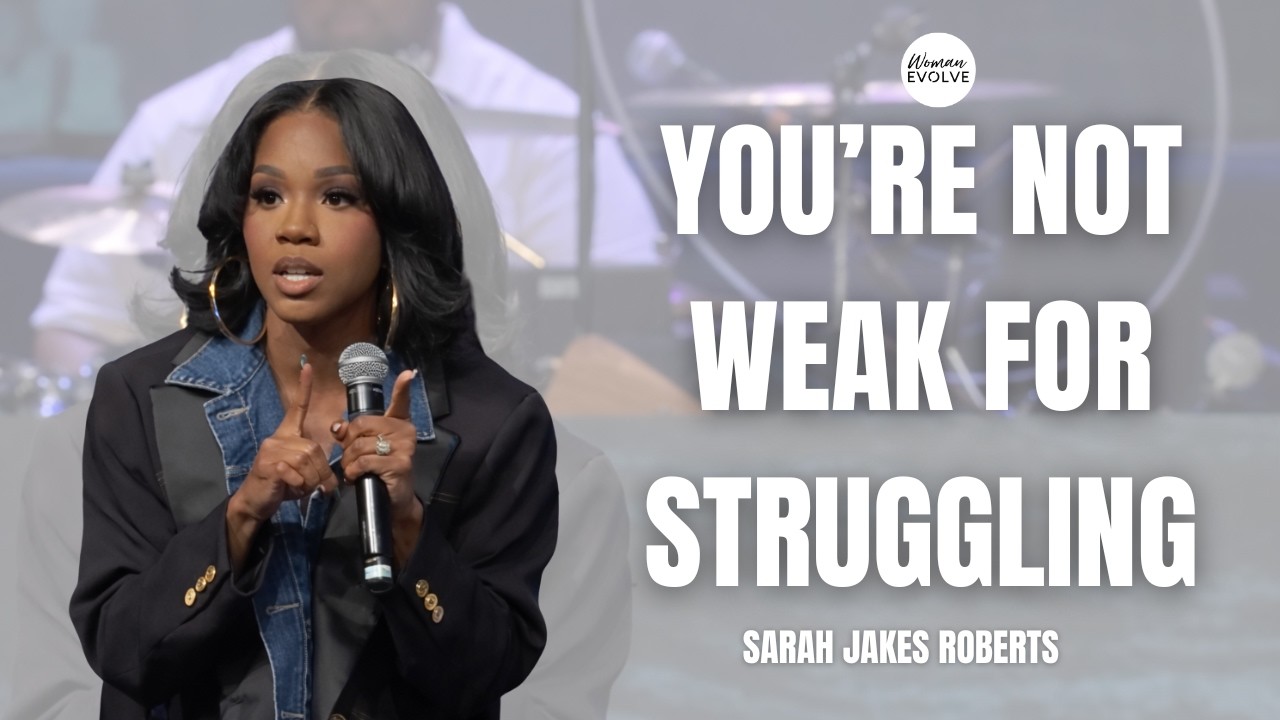
Video Summary
Roberts begins with the father in Mark 9 who brings his suffering son to Jesus and asks for help “if You can.” Jesus turns the question around, telling him the issue is not whether He can, but whether the man can believe. Roberts points out that the word translated “can” comes from a Greek root related to dunamis, meaning power or ability. In her reading, Jesus is essentially saying that if a person has the power to believe, all things are possible.
From that starting point she argues that faith takes work. Believing differently from one’s family, culture or past requires strength, and the enemy has every reason to make belief difficult. She then turns to the woman with the issue of blood, who pressed through a crowd because she had the power to believe Jesus had something for her. The final section of the sermon focuses on the Holy Spirit, whose manifestations, including the gift of faith, supply believers with the power they cannot produce on their own.
Key Takeaways
- Jesus told the desperate father that the question was not His ability, but the father’s capacity to believe.
- Roberts teaches that belief requires power; it is not a casual feeling that comes easily.
- Believing what God says about you, rather than what your past says, can break generational patterns.
- The woman with the issue of blood shows how faith with power leads to action.
- Real faith trusts God for all things, not just one outcome, believing He works everything together for good.
- The Holy Spirit gives power in many forms, including wisdom, knowledge and faith itself.
Why Believing Takes Power
The foundation of the message is Mark 9:23-24. The father brings his son to Jesus after the disciples could not help, and he pleads for compassion “if You can do anything.” Jesus replies that everything is possible for the one who believes, and the father famously cries out, “Lord, I believe; help my unbelief!”
Roberts lingers on the word “can.” Drawing on the original language, she explains that it carries the sense of being able or having power. Many believers, she says, talk about faith as though it were automatic, and when it does not come easily they assume something is wrong and walk away. Her message to those people is that struggling to believe is not a sign of failure. It simply reveals that belief requires strength.
She applies this to everyday life. It takes power to believe what God says about you when everyone in your family has believed something else. It takes power to believe you are more than what you have been through. It takes power to see faith not as a nice idea but as a weapon God can use against generational curses. And, she adds, the enemy has no interest in making that easy, because if belief were effortless, everything would be possible.
Faith That Pushes Through the Crowd
To show what powerful belief looks like, Roberts points to the woman with the issue of blood in Mark 5:25-34. After years of suffering and failed treatments, she pressed through a crowded street convinced that touching the hem of Jesus’ garment would heal her. When she did, Jesus stopped and asked who had touched Him. His disciples were baffled, since people were pressing on Him from every side.
Roberts explains that this touch was different because it carried a different kind of belief. The woman believed Jesus was worth pushing through obstacles for, and she believed that what doctors could not do, He could. Roberts notes that Jesus made sure the woman understood it was not the touch itself that healed her, but her faith. For Roberts, this is the essence of the message: belief with power changes behavior. It moves people to act, to press, and to keep going when everything around them says stop.
She ties this to Hebrews 11:1, describing faith as the evidence of things not seen. What God has spoken is already settled in heaven, she says, and the believer’s role is to trust that it can show up on earth.
Faith for All Things, Not Just One Thing
One of the most practical insights in the sermon concerns what believers actually have faith for. Roberts observes that many people only have faith for one specific outcome. When that one thing does not happen, they lose faith entirely. But Jesus said all things are possible, not just the one thing a person is hoping for.
For Roberts, the real question is never whether God can, but whether He will, and how. Mature faith believes that even if God does not answer the way we want, He is still making a way. She testifies that she has seen many things not go her way, yet God’s way has consistently turned out better than anything she would have known to ask for. This perspective echoes Romans 8:28, which assures believers that all things work together for good to those who love God.
She also shares candidly that she once had a great deal of power in her depression and shame, but when she began believing what God believed about her, that same energy was redirected toward hope. She declares confidence that God is not finished with her, echoing Philippians 1:6.
The Holy Spirit and the Gift of Faith
In the final part of the message, Roberts asks where this power comes from. She recalls Jesus telling His followers to wait for the Holy Spirit in Acts 1:8, promising they would receive power. Growing up, she says, she assumed that power was mostly about shouting, dancing or speaking in tongues. Over time she came to see it as much broader.
Turning to 1 Corinthians 12:7-11, she explains that the Spirit manifests in different ways for the benefit of everyone: a word of wisdom, a word of knowledge, gifts of healing, miracles, and, importantly, faith. Roberts finds great encouragement in this. If a believer cannot muster faith in their own strength, the Holy Spirit can supply it. When people feel they have run out of faith and therefore out of options, she says, they can ask the Spirit to manifest as faith in their lives.
Readers who enjoy this theme may also find encouragement in God Did NOT Give You a Spirit of Fear (Stir It Up!) and Don’t Change Your Mind About God When Life Gets Hard, two other messages from Sarah Jakes Roberts.
Frequently Asked Questions
What Bible passage is this sermon based on?
The message centers on Mark 9:23, where Jesus tells a desperate father that all things are possible to the one who believes. Roberts also draws on Mark 5, Acts 1 and 1 Corinthians 12.
What does Sarah Jakes Roberts mean by “power to believe”?
She teaches that faith is not automatic. Believing God’s word, especially against family patterns, past pain or present circumstances, requires strength that ultimately comes from God.
How does the Holy Spirit help with unbelief?
According to Roberts, faith is listed among the manifestations of the Spirit. When believers feel unable to trust God on their own, they can ask the Holy Spirit to supply the faith they need.
Final Thoughts
This message from Sarah Jakes Roberts reframes faith as something powerful rather than passive. Like the father who cried for help with his unbelief, and the woman who pushed through the crowd, believers are invited to receive power from God to believe what He says. When that happens, Roberts insists, belief changes actions, breaks old patterns, and opens the door to a life where all things are possible.
