Don’t Let Bitterness Block Your Breakthrough | Tony Evans Sermon
In this practical teaching on forgiveness, Dr. Tony Evans warns believers not to let bitterness block your breakthrough. He describes unforgiveness as a leash that lets a person go only so far before yanking them back, and he walks through what the Bible actually means by forgiveness, why it matters so much, and how it differs from simply pretending a wrong never happened.
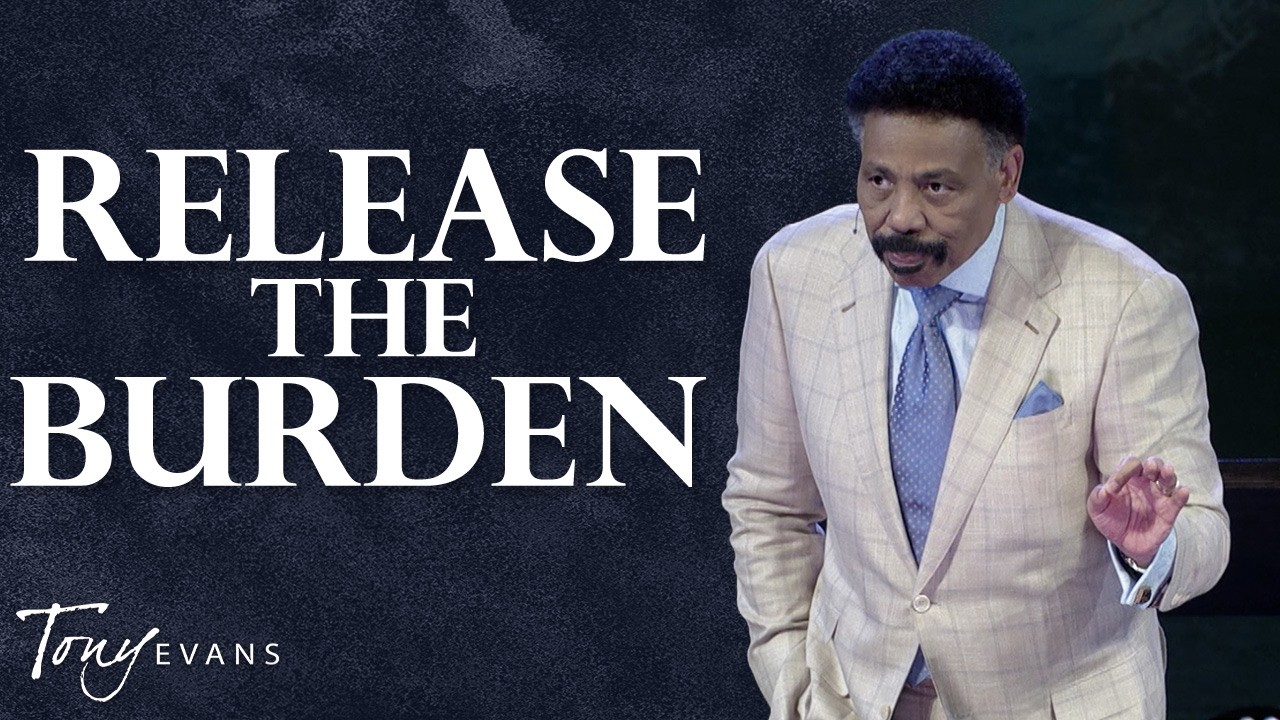
Video Summary
Tony Evans begins by noting that forgiveness is one of the most repeated themes in Scripture, yet it is often misunderstood or misused. He distinguishes between judicial forgiveness, which God grants once and for all at salvation, and relational forgiveness, which affects a Christian’s ongoing fellowship with God and others. He then offers a biblical definition: forgiveness is not ignoring a wrong, but deciding to release a debt without seeking personal revenge.
From there, Evans outlines three categories of forgiveness found in the Bible: personal forgiveness, where people release themselves from regret; unilateral forgiveness, where they release someone who has never apologized; and transactional forgiveness, where repentance opens the door to reconciliation. He illustrates these with Paul, Peter, Stephen, Jesus on the cross and especially Joseph, before turning to Jesus’ parable of the unforgiving servant in Matthew 18 to show why forgiving others is not optional.
Key Takeaways
- Judicial forgiveness settles a believer’s standing with God; relational forgiveness affects daily fellowship.
- Biblical forgiveness does not deny or excuse an offense; it gives up the right to personal retaliation.
- Forgiveness is a decision that may come before the emotions catch up.
- Personal forgiveness means releasing yourself from regret, as Peter had to after denying Christ.
- Unilateral forgiveness frees you from bitterness even when the offender never apologizes.
- Transactional forgiveness responds to genuine repentance, but full reconciliation and trust may take time.
- Joseph’s story shows how a big view of God allows a person to say, “You meant it for evil, but God meant it for good.”
Two Levels of Forgiveness
Evans lays a theological foundation before addressing relationships. Judicial or legal forgiveness, he explains, is what God grants when a person comes to Christ. Because of the sacrifice of Jesus, God declares the sinner acquitted and does not count their sins against them. That is a salvation issue, and sin committed afterward does not undo it.
Relational forgiveness is different. Once someone is part of God’s family, sin can affect their fellowship with the Father, much as a child’s disobedience strains a relationship with a parent without ending the family bond. Evans says understanding this distinction sets the stage for his main focus, which is the relational side of forgiveness, both with God and with people.
What Biblical Forgiveness Really Means
The sermon draws on Matthew 18:21-22, where Peter asks whether forgiving someone seven times is enough, and Jesus answers seventy times seven. Evans insists that biblical forgiveness does not mean skipping over an offense or pretending it did not happen. If someone was hurt, betrayed or wronged, that remains true, and denying it would be a lie.
Instead, forgiveness means no longer seeking personal revenge. It is a decision, with or without the accompanying emotion, to release a debt that was incurred. Evans cites 1 Corinthians 13:5, noting that love keeps no record of wrongs, and he humorously observes that some people keep detailed books on what was done to them so they can calculate how much to get back. That, he says, shows forgiveness has not yet happened.
He connects this to Colossians 3:13, which teaches that believers forgive because they have been forgiven, and to Romans 12:19, where God says vengeance belongs to Him. Releasing the right to retaliate is not weakness; it is trusting God to handle justice.
Three Categories of Forgiveness
Personal Forgiveness
The first category is forgiving yourself. Evans observes that very few people do not carry some regret, whether it is a memory that weighs on the mind or a scar from going somewhere they should not have gone. He points to Paul in 1 Timothy 1:12-13, who never forgot that he had once persecuted Christians, yet lived as a forgiven man. He also recalls Peter, who denied Jesus three times and was consumed by guilt until Jesus met him at the Sea of Galilee and restored him.
Unilateral Forgiveness
The second category is forgiving someone who has never repented. The person has not apologized, admitted fault or shown any remorse, yet the wound remains. Evans says this kind of forgiveness is critical precisely because the offender is not taking responsibility. Without it, bitterness, anger and resentment dominate a person’s life and keep them from functioning at their best. He cites Stephen in Acts 7:60, who prayed for those stoning him, and Jesus on the cross praying, “Father, forgive them.” This kind of forgiveness, Evans says, is done for your own sake, so you do not drown in bitterness.
Transactional Forgiveness
The third category occurs when the offender repents. Evans describes true repentance as involving recognition of the wrong, genuine remorse, and a desire to make amends. Forgiveness in response to repentance can happen in a moment, he explains, but reconciliation is often a process that requires rebuilding trust over time.
Joseph: When God Turns Mess Into Miracle
Evans calls the story of Joseph one of the greatest pictures of forgiveness in the Bible. Sold into slavery by his brothers, Joseph rose to become second in command in Egypt. Twenty-two years later, during a famine, his brothers came to him for food without recognizing him. It was, Evans notes, a perfect opportunity for revenge.
Instead, in Genesis 45:1-8, Joseph revealed himself, invited his brothers to come near, and even told them not to be angry with themselves. Evans highlights how Joseph helped his brothers with their own personal forgiveness. The reason Joseph could respond this way, Evans says, is that he had a big enough view of God. He saw that God had sent him ahead to preserve lives. Later, in Genesis 50:17-20, Joseph wept and declared that what his brothers meant for evil, God meant for good.
Evans is careful to clarify that this does not excuse wrongdoing. An offense is still an offense. But a believer should not be held hostage by it, because carrying it only harms the one who carries it.
Why Forgiving Others Is Not Optional
Returning to Matthew 18, Evans summarizes Jesus’ parable of the unforgiving servant in Matthew 18:23-35. A king cancels a servant’s enormous debt, yet that same servant goes out and has a fellow servant thrown into prison over a small amount. When the king hears, he holds the first servant accountable. Evans uses this to show how heaven operates: those who have received great mercy are expected to extend mercy to others, and refusing to do so blocks the very freedom God wants His people to enjoy.
For more teaching from Dr. Evans, see God Can Use Whatever You’re Going Through and You’re Closer to Victory Than You Think.
Frequently Asked Questions
Does forgiveness mean pretending the offense never happened?
No. According to Tony Evans, biblical forgiveness acknowledges the wrong honestly but gives up the right to personal revenge and leaves justice to God.
Can I forgive someone who has not apologized?
Yes. Evans calls this unilateral forgiveness and says it is essential so that bitterness does not control your life, following the examples of Stephen and Jesus.
Is forgiveness the same as reconciliation?
Not exactly. Forgiveness can be an immediate decision, while reconciliation usually depends on repentance and takes time to rebuild trust.
Final Thoughts
This message from Tony Evans offers a clear and balanced view of forgiveness. It neither minimizes real pain nor allows believers to remain chained to it. By understanding personal, unilateral and transactional forgiveness, and by holding a view of God big enough to see Him at work in every hurt, believers can lay down bitterness and step into the freedom and breakthrough God intends.
