WHY You Have The Holy Spirit But Still No Power, Word Of God || Kathryn Kuhlman
The message Why You Have the Holy Spirit but Still No Power, shared on a Kathryn Kuhlman-themed channel, addresses a struggle many believers feel but rarely admit: they know they are saved and filled with God’s Spirit, yet they feel spiritually weak and ineffective. Drawing on themes long associated with Kathryn Kuhlman’s emphasis on the Person of the Holy Spirit, the teaching outlines seven hidden barriers that can hinder the flow of God’s power in a believer’s life.
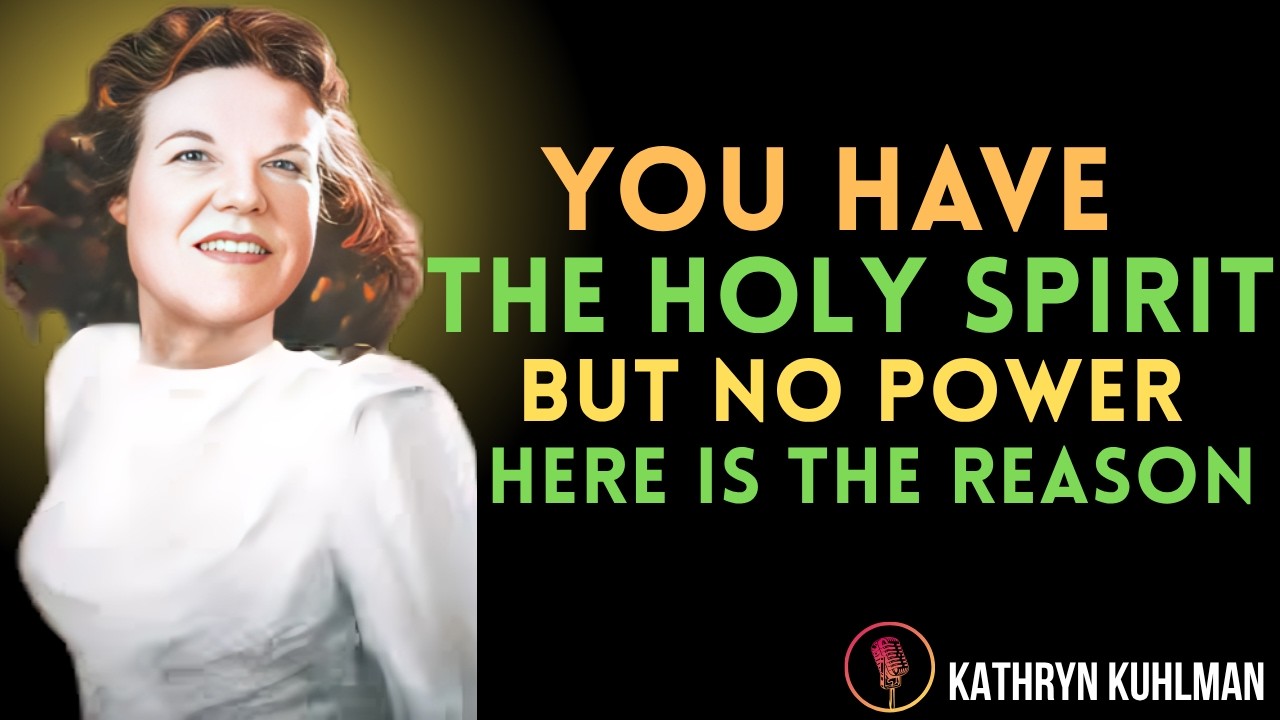
Video Summary
The message opens with a question: how can someone be filled with the Spirit and still feel disconnected from heaven’s flow? Many Christians pray, worship and read Scripture, yet sense that something is missing. The teaching draws a distinction between hosting God’s presence and walking in His authority, and then walks through seven reasons believers may experience powerlessness.
These include lack of surrender, ignorance of spiritual identity, disconnection from God’s Word, unforgiveness, neglect of prayer, spiritual complacency and disobedience. Throughout, the emphasis is not on earning God’s power but on removing obstacles so that the Holy Spirit can move freely. Note: this video is presented on a channel dedicated to Kathryn Kuhlman’s legacy; Kuhlman herself passed away in 1976, so the narration reflects her themes rather than a recorded sermon from her ministry.
Key Takeaways
- Power is released not merely by possessing the Spirit but by yielding to Him.
- Understanding your identity in Christ is essential for walking in spiritual authority.
- The Holy Spirit works through Scripture; neglecting the Word weakens spiritual strength.
- Unforgiveness and bitterness block the flow of God’s power.
- Prayer is a lifeline, not a last resort.
- Comfort and complacency dull spiritual fire.
- Obedience opens the way for the Spirit’s power to be expressed.
1. Lack of Surrender
The first barrier is a lack of full surrender. The message puts it memorably: the question is not whether you have the Holy Spirit, but whether the Holy Spirit has you. The Spirit does not override human will; He moves through yielded hearts. Many believers have welcomed His presence but still hold tightly to their own plans and comfort.
Referencing 1 Thessalonians 5:19, “Do not quench the Spirit,” the teaching stresses that power flows through permission. The Holy Spirit is not a guest to entertain but a Lord to obey. Genuine surrender echoes Jesus’ prayer in Gethsemane: “Not My will, but Yours, be done.” The anointing, the message says, rests not on talent but on availability.
2. Ignorance of Spiritual Identity
Quoting Hosea 4:6, “My people are destroyed for lack of knowledge,” the message explains that believers cannot walk in what they do not understand. Many keep praying for things they already possess because they do not realize what they carry. Scripture says believers are seated with Christ in heavenly places and are temples of the Holy Spirit.
The teaching points to Jesus in the wilderness, who answered temptation from a settled sense of identity, declaring, “It is written.” When believers forget they are children of the King, they begin to live like orphans. Before asking for more power, the message encourages, ask for a deeper revelation of who you already are in Christ.
3. Disconnection From the Word
Jesus said, “The words that I speak to you are spirit, and they are life” (John 6:63). The message teaches that the Spirit and the Word work together: the Word reveals God’s will and the Spirit empowers believers to live it. Without Scripture, people can mistake emotion for genuine encounter.
The teaching uses the image of electricity flowing through wires: the Spirit moves along the pathway of God’s truth. Every verse stored in the heart becomes something the Spirit can use. When the Word fills our thoughts, the Spirit fills our lives.
4. Unforgiveness and Inner Contamination
The fourth barrier is a heart clogged with bitterness, offense, jealousy or pride. David’s prayer in Psalm 51:10, “Create in me a clean heart, O God,” shows that he understood purity, not performance, sustains spiritual life. The message emphasizes that the Spirit dwells in purity, not perfection.
Forgiveness, it explains, is not excusing wrong but freeing one’s own spirit. It is a decision to trust God with what wounded us. When believers release bitterness, the river of God’s presence begins to flow again. This theme also appears in Living A Consecrated Life.
5. Neglecting Prayer
Citing Jesus’ teaching that “men always ought to pray and not lose heart” (Luke 18:1), the message calls prayer the lifeline of the Spirit. When communication weakens, connection fades. Prayer is not about informing God but inviting Him. Even Jesus regularly withdrew to pray, the teaching notes, so believers need constant connection all the more. Prayer is not about length or perfect words but genuine exchange, where anxiety turns into peace and fear into faith. For more on this, see Struggling to Pray? 7 Ways the Holy Spirit Prays Through You.
6 and 7. Complacency and Disobedience
The sixth barrier is spiritual complacency. Referencing Amos 6:1, “Woe to you who are at ease in Zion,” the message warns that power was never meant to settle into comfort zones. Spiritual hunger keeps believers pressing forward rather than coasting on past experiences.
The final barrier concerns obedience. The Holy Spirit’s power, the teaching explains, is expressed through hearts that respond to His leading. When believers delay or ignore what God has asked of them, they limit what He can do through them. Obedience, by contrast, positions them to experience His power in practical ways.
Frequently Asked Questions
Why might a Spirit-filled believer feel powerless?
The message identifies seven barriers: lack of surrender, ignorance of identity, disconnection from Scripture, unforgiveness, neglect of prayer, complacency and disobedience.
What does “the Spirit has you” mean?
It means fully yielding control to the Holy Spirit rather than simply acknowledging His presence while keeping one’s own agenda.
Is this a recorded sermon by Kathryn Kuhlman?
The video appears on a channel dedicated to Kathryn Kuhlman’s legacy and reflects her emphasis on the Holy Spirit, but Kuhlman died in 1976, so the narration should be understood as inspired by her themes.
Final Thoughts
This teaching offers a practical checklist for believers who long for more of God’s power in their daily lives. Rather than seeking a dramatic experience, it encourages surrender, Scripture, forgiveness, prayer, hunger and obedience. As Kathryn Kuhlman often emphasized, the Holy Spirit is a Person who desires fellowship, and when believers make room for Him, His life and power begin to flow.
