The Great Disappearance Interview with Dr. David Jeremiah
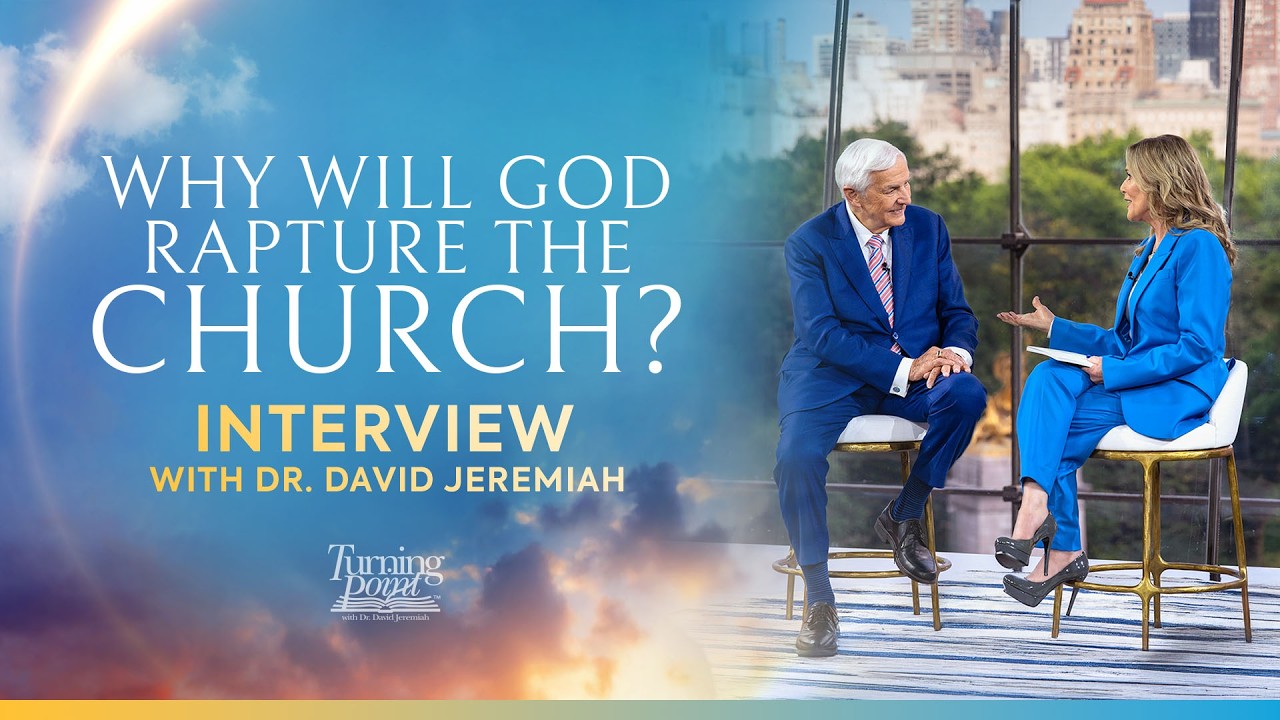
In The Great Disappearance Interview with Dr. David Jeremiah, Bible teacher and author Sheila Walsh sits down with Dr. David Jeremiah of Turning Point Ministries to discuss his teaching on the rapture of the church. Dr. Jeremiah explains what the Bible says about this coming event, how it differs from the Second Coming, and why understanding prophecy should bring believers hope, confidence and fresh urgency to share the gospel.
Video Summary
The program opens with a striking picture: when the rapture occurs, cell phones, security cameras, body cams and doorbell cameras around the world may capture people vanishing in an instant. Billions of believers, both the resurrected dead and the living, will be caught up to meet the Lord, while billions remain behind. Jeremiah calls this event “the great disappearance.”
Sheila Walsh notes that many people feel anxious about political turmoil, economic uncertainty and deep cultural divisions. Yet she says these realities can also be exciting, because they may indicate that Christ’s return is drawing near. In the interview, Jeremiah explains why he calls his approach “motivational prophecy,” defines the rapture, describes the chaos that will follow, distinguishes the rapture from Christ’s return to earth and explains how prophecy should shape the way believers live and witness.
Key Takeaways
- Bible prophecy is practical and comes with “marching orders” for believers.
- Jeremiah notes that prophecy makes up a significant portion of Scripture.
- Revelation promises a blessing to those who read and keep its words.
- The rapture is Christ’s return in the air to gather His people.
- Jeremiah teaches that believers will be taken before the tribulation.
- At the end of the tribulation, Christ returns to earth with His saints.
- Understanding prophecy should motivate believers to share the gospel.
Motivational Prophecy
Jeremiah explains that he uses the phrase “motivational prophecy” deliberately. Many people claim prophecy has no practical value, but he says that view reflects a misunderstanding of Scripture. Almost every prophetic passage includes instructions for how believers should live.
He gives the example of John 14:1-3. Before Jesus told His disciples about the many dwelling places in His Father’s house, He said, “Let not your heart be troubled.” Knowing what God is doing, Jeremiah says, frees believers from anxiety about tomorrow. He also points out that prophecy makes up a large portion of the Bible, and that the book of Revelation promises a blessing to those who read, hear and keep its words (Revelation 1:3). Prophecy, he says, gives believers confidence while the world wrings its hands, and it fuels urgency to share the truth.
What Is the Rapture?
Jeremiah defines the rapture as a future moment when Jesus Christ returns not to the earth, but in the heavens, to receive every person who has trusted Him for eternal life. First, believers who have died will be resurrected; then believers who are alive will be caught up together with them to meet the Lord in the air. He describes it as “the great reunion,” when bodies are reunited with spirits, believers with one another and all believers with Jesus. This is described in 1 Thessalonians 4:16-17.
Asked whether the word “rapture” appears in Scripture, Jeremiah explains that the English word itself does not, but the concept of being “caught up” does. The term comes from the idea of being caught up to heaven.
Chaos on Planet Earth
Jeremiah describes the confusion that will follow. Many Christians, he notes, serve in positions of responsibility and leadership. Their sudden absence would create widespread disruption. He shares a vivid image from his book: a father pushing his little girl on a swing, the swing returning empty because she has been taken to be with the Lord.
Why Will God Rapture the Church?
Jeremiah gives two main reasons. First, the rapture is the event that begins the sequence of prophetic events, including the tribulation and Armageddon. Second, it is God’s way of bringing His people home before the tribulation begins. He cites the promise that believers are “not appointed to wrath” (1 Thessalonians 5:9). He also explains that when believers are removed, the restraining influence of the Holy Spirit through the church will be removed, leading to the darkest period the world has ever known.
Christians hold different views about the timing of the rapture, and Jeremiah presents the pre-tribulation view.
The Rapture Versus the Second Coming
Jeremiah explains that the rapture and the Second Coming are distinct events. The rapture is imminent, meaning nothing must happen before it occurs. After the rapture comes seven years of tribulation. At the end of that period, Jesus returns to earth not for His saints but with them, accompanied by the angels. Believers, dressed in white, will be part of His army at Armageddon, though Jesus alone will win the victory by the breath of His mouth (2 Thessalonians 2:8). For more on this subject, see The End of the World vs The World of the End.
Prophecy and the Gospel
Walsh observes that the gospel runs through every section of Jeremiah’s series. He responds that whenever he has preached on the rapture and future events, people have come to faith. When believers teach prophecy seriously and without sensationalism, he says, it creates fresh motivation for people to turn to Christ. He also notes that Israel’s return to its homeland and other developments make many people sense that something unique is happening in the world. For another of his teachings on eternity, see What Happens Immediately After You Die?
Frequently Asked Questions
What is “the great disappearance”?
It is Dr. David Jeremiah’s term for the rapture, when believers living and dead will be caught up to meet Christ in the air.
Is the word “rapture” in the Bible?
The English word is not, but the concept of being “caught up” appears in 1 Thessalonians 4:17, which is where the term comes from.
How is the rapture different from the Second Coming?
According to Jeremiah, at the rapture Christ comes for His people in the air, while at the Second Coming He returns to earth with His people at the end of the tribulation.
Final Thoughts
The Great Disappearance Interview offers a clear and hopeful overview of Dr. David Jeremiah’s teaching on the rapture. Rather than fueling fear, he presents prophecy as a source of peace, confidence and motivation. Whatever the timing of Christ’s return, believers are called to live ready, share the gospel and take comfort in the promise that Jesus is coming again.
