Dr. David Jeremiah: What does the Bible say about Fear, Worry, & Finding Joy Through Trials?
Why is life still so hard when we love God? In this conversation filmed in a historic castle setting, Dr. David Jeremiah discusses his teaching series on “slaying the giants” in our lives. Drawing on the story of David and Goliath and his own experience with cancer, he explains what the Bible says about fear, worry and finding joy through trials, along with discouragement and loneliness, and how believers can face these “giants” in the Lord’s strength.
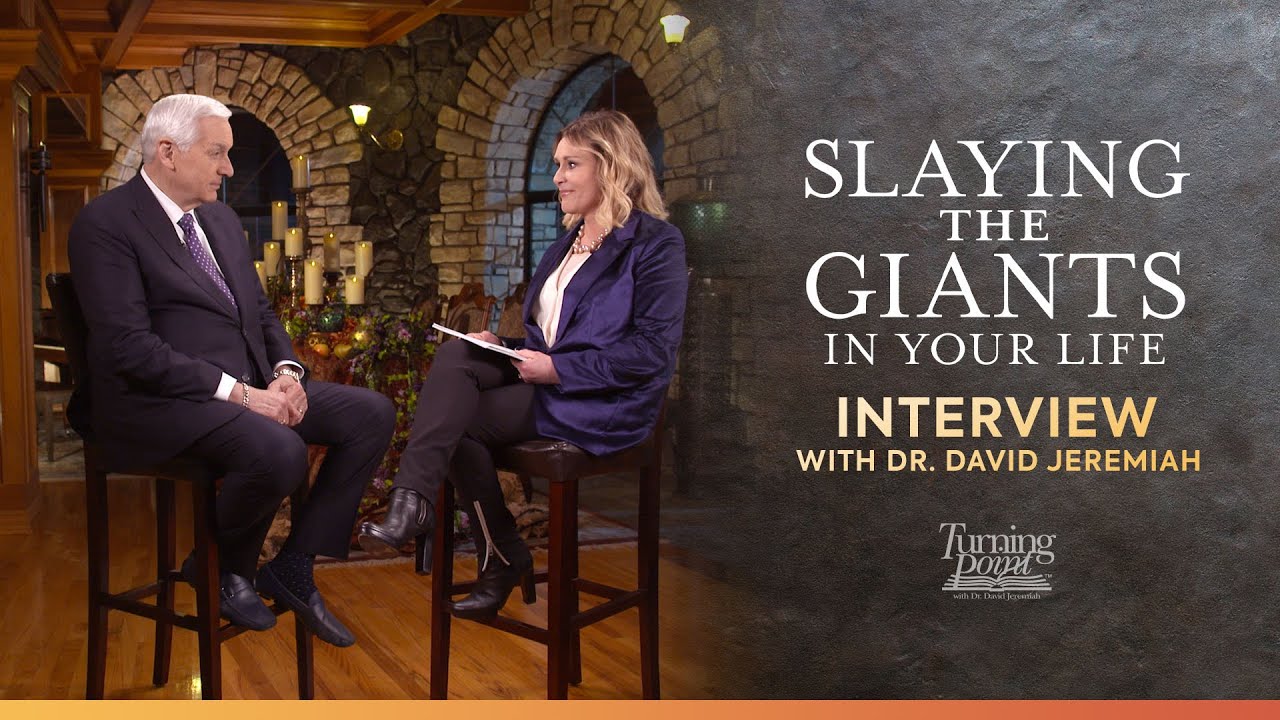
Video Summary
Jeremiah explains that he began thinking about modern “giants” while studying David’s battle with Goliath. The struggles believers face today, he says, can feel just as overwhelming as a nine-foot warrior did to young David. In the interview, he addresses why trials come, then speaks about specific giants: fear, discouragement, loneliness and worry. He closes by pointing to the source of victory and the first step every person must take.
Key Takeaways
- Scripture links pain and joy; trials can produce growth and maturity.
- Jeremiah experienced real fear during cancer, but it was replaced by God’s presence and peace.
- Like David, believers can learn to encourage themselves in the Lord.
- Genuine community, not just online connection, helps combat loneliness.
- Philippians 4 offers a pattern for replacing anxiety with prayer and right thinking.
- Giants are defeated not in our own strength but in the name of the Lord.
Why Life Is Hard Even When You Love God
Many people ask Jeremiah why life is difficult if they love God. He points to James 1:2–4: “Count it all joy when you fall into various trials.” It may sound contradictory, he admits, but there is a deep relationship between pain and joy. He compares it to a piano: without the black keys, you cannot play harmony. Looking back, believers often see how God used hardships to strengthen them and prepare them for what He called them to do. “I don’t choose pain,” he says, “but pain sometimes chooses me.”
The Giant of Fear
Jeremiah speaks candidly about his battle with lymphoma. Asked whether he was afraid, he answers yes. He was not mainly afraid of dying, but of leaving his wife and children. He recalls a moment before a difficult medical test when he felt too emotional to pray, and his wife, Donna, prayed a remarkable prayer that filled him with strength. His fear was real, he says, but it was ultimately replaced by a sense of God’s presence and peace.
He notes that Scripture repeatedly tells God’s people not to live in fear, as in Isaiah 41:10: “Fear not, for I am with you; be not dismayed, for I am your God.” He distinguishes between healthy reverence for God and the paralyzing fear that God does not intend for His children.
Encouraging Yourself in the Lord
On discouragement, Jeremiah points to a low moment in David’s life recorded in 1 Samuel 30:6. After returning to find his camp raided and families taken, David “strengthened himself in the Lord his God.” Jeremiah says that pastors and leaders often have no one else to turn to in such moments, so he has learned how to encourage himself in the Lord. His practical habits include listening to music that reminds him of God’s past faithfulness, talking things through with his wife, spending time alone in Scripture, leaning on good friends and, with a smile, enjoying time with his dog.
Loneliness in a Connected World
Jeremiah sees loneliness as almost an epidemic. Social media gives many people a feeling of connection without real relationships. His church has worked to address this, including by offering small groups on Sunday mornings while children attend classes in the same building. He says many couples, including military families, have told him those groups were a lifeline. Large churches especially, he notes, must work intentionally to help people connect.
Winning Over Worry
Asked why anxiety is so widespread, Jeremiah suggests that a culture moving away from God contributes to it. He points to Philippians 4:6–8: “Be anxious for nothing, but in everything by prayer and supplication, with thanksgiving, let your requests be made known to God.” He emphasizes that the passage continues with a list of true, noble and lovely things to think about. He also highlights the biblical call to encourage one another, explaining that to encourage is literally to pour courage into someone who has run out.
Facing Giants in the Name of the Lord
Jeremiah closes with David’s words to Goliath: “You come to me with a sword… But I come to you in the name of the Lord of hosts” (1 Samuel 17:45). Believers cannot defeat their giants in their own strength, he says, but in the name and power of the Lord they can experience the same kind of victory. The first step, he stresses, is to believe in Jesus Christ. For more from Jeremiah, read Why the World Cannot Understand the Wisdom of God and The Best Evidence of the Spirit.
Frequently Asked Questions
What does the Bible say about joy in trials?
Dr. David Jeremiah points to James 1:2–4, which teaches believers to count it joy when they face trials, because God uses them to produce maturity.
How did David Jeremiah handle fear during cancer?
He admits he was afraid, especially of leaving his family, but says his fear was replaced by God’s presence and peace, strengthened by his wife’s prayers.
What verse does Jeremiah recommend for worry?
He recommends Philippians 4:6–8, which calls believers to pray with thanksgiving and to fill their minds with what is true, noble and good.
Final Thoughts
This conversation with Dr. David Jeremiah offers practical, personal encouragement for anyone facing overwhelming struggles. Fear, discouragement, loneliness and worry are real giants, but they are not undefeatable. As David discovered in the valley of Elah, victory comes when we face our giants in the name of the Lord.
