Pastor Rick Warren: Moses’ Story And The Choices That Shape Your Future
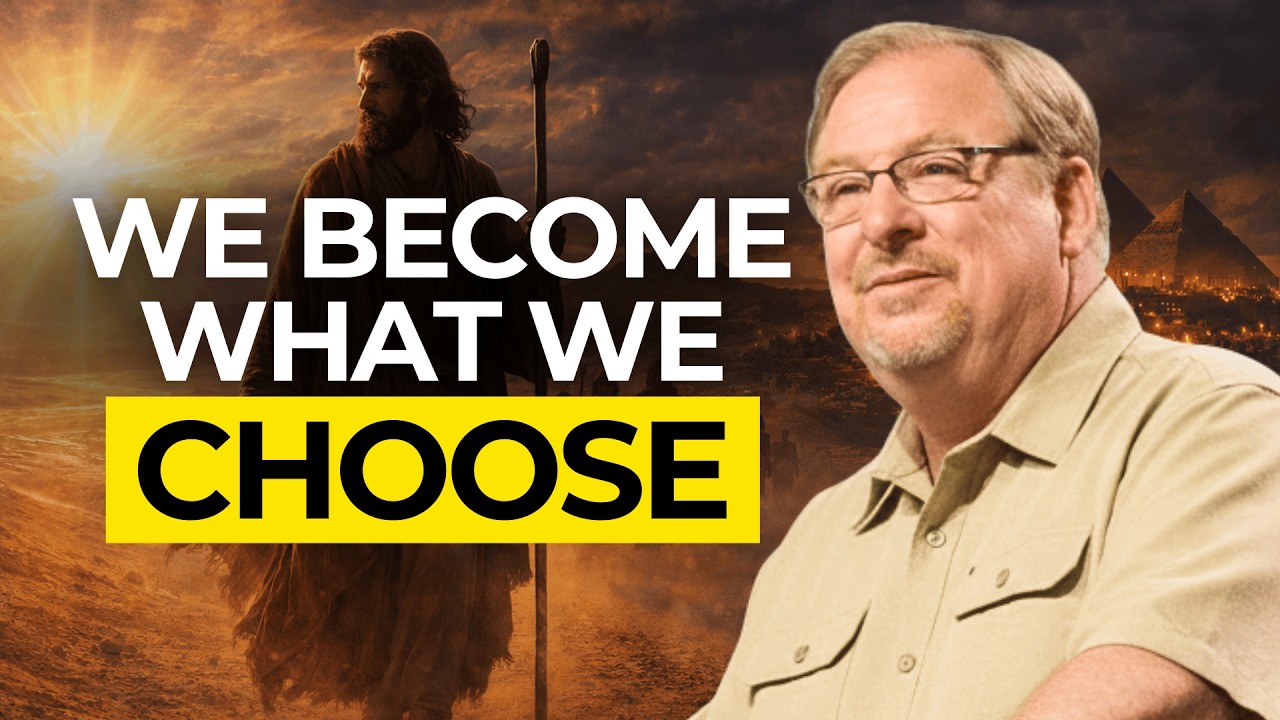
In Moses’ Story and the Choices That Shape Your Future, Pastor Rick Warren teaches that one of God’s greatest gifts is the freedom to choose. Using Hebrews 11:23-27 and the life of Moses, Warren presents four life-shaping resolutions that, he says, can transform not just the coming year but the rest of a believer’s life. He explains that “we make our choices, and then our choices make us.”
Video Summary
Warren begins by noting that free moral choice is what distinguishes human beings from animals, yet that same gift becomes a curse when people make poor decisions. Many people make New Year’s resolutions about trivial matters and try to keep them by willpower alone, which usually fades within weeks. Real change, he says, requires more than willpower.
He then turns to Moses, whom he calls one of the greatest figures in the Old Testament: the man who confronted Pharaoh, led Israel out of slavery, received the Ten Commandments and wrote the first five books of the Bible. Why did God use him so powerfully? Warren points to four choices described in Hebrews 11: Moses refused, chose, regarded and persevered. He closes with practical guidance on how to keep these resolutions.
Key Takeaways
- Our character is the sum total of our choices.
- Resolution 1: Refuse to be defined by others.
- Resolution 2: Choose short-term pain for long-term gain.
- Resolution 3: Choose God’s values, not the world’s.
- Resolution 4: Live by faith rather than by fear.
- Keeping resolutions requires community support and dependence on God.
The Background: Moses’ Parents’ Choice
Warren recounts the story of Moses’ birth. Pharaoh had ordered that Hebrew baby boys be killed, but Moses’ parents refused. They placed him in a basket in the Nile, where Pharaoh’s daughter found and adopted him. Raised in the palace, Moses grew up as royalty, though he was born a Hebrew. Hebrews 11:23 says his parents acted by faith and were not afraid of the king’s command. The following verses describe Moses’ own choices.
Resolution One: Refuse to Be Defined by Others
Hebrews 11:24 says that Moses, “when he became of age, refused to be called the son of Pharaoh’s daughter.” Warren explains that Moses faced an identity crisis. He could continue living as Pharaoh’s grandson with wealth, power and prestige, or he could embrace who he really was and suffer with his people. Moses refused to live a lie.
Warren asks listeners who is shaping their identity: parents, former spouses, peers, social media or culture. He cites Romans 12:2 (“Do not be conformed to this world”) and Exodus 23:2 (“You shall not follow a crowd to do evil”). Envy says, “I must be like you to be happy,” while people-pleasing says, “I must be liked by you to be happy.” Both, he says, keep people from God’s purpose. Instead, believers should live for “an audience of One,” trusting God’s promise in Jeremiah 29:11 that He has plans to give them a future and a hope.
Resolution Two: Short-Term Pain for Long-Term Gain
Moses “chose rather to suffer affliction with the people of God than to enjoy the passing pleasures of sin” (Hebrews 11:25). Warren points out that Scripture honestly admits sin can be pleasurable, but only for a season.
He illustrates the principle with athletics, finances and marriage. He shares that his long marriage to his wife, Kay, is a treasure, but it required years of hard work. Many problems, he says, come from an inability to delay gratification. The right thing is often the harder thing, such as forgiving someone instead of retaliating.
Resolution Three: Choose God’s Values
Hebrews 11:26 says Moses “esteemed the reproach of Christ greater riches than the treasures in Egypt; for he looked to the reward.” Warren explains that “esteemed” or “regarded” means to evaluate, weigh and make a value judgment. Moses clarified what mattered most.
Warren asks listeners whether they can name their top values. He shares his own: integrity, humility and generosity, which he describes as antidotes to common traps of leadership. If you do not decide what is important, he warns, others will decide for you and press you into their mold. He encourages people to write down their core values so they can live by them. For more of Warren’s teaching on trust, see Let Go and Trust God: Overcoming Worry & Doubt.
Resolution Four: Live by Faith, Not Fear
Hebrews 11:27 says Moses “forsook Egypt, not fearing the wrath of the king; for he endured as seeing Him who is invisible.” Warren describes Moses standing before Pharaoh, considered a god in Egypt and the most powerful ruler on earth, and declaring that God’s people were leaving. Moses could do this because he answered to a higher authority.
The closer we draw to God, Warren says, the less fear we experience. He quotes Romans 14:23, “whatever is not from faith is sin,” and Hebrews 11:6, “without faith it is impossible to please Him.” God, he says, responds to our faith rather than our complaints.
How to Keep Your Resolutions
Warren offers practical steps for making these resolutions last. First, get support. Just as no one climbs Mount Everest alone, believers need a small group to encourage them. He cites Hebrews 10:24-25, which urges believers to spur one another on and not neglect meeting together. Second, ask and expect God to help. Quoting Isaiah 50:7, “For the Lord God will help Me… therefore I have set My face like a flint,” he describes the combination of commitment and faith needed to follow through. For related teaching, see 6 Ways the Holy Spirit Guides and Strengthens You Every Day.
Frequently Asked Questions
What are Rick Warren’s four life-shaping resolutions?
Refuse to be defined by others, choose short-term pain for long-term gain, choose God’s values over the world’s and live by faith rather than fear.
Which Bible passage does this message come from?
Warren teaches from Hebrews 11:23-27, which describes the faith of Moses and his parents.
Why do New Year’s resolutions often fail?
According to Warren, people often focus on trivial goals and rely on willpower alone, which fades without community support and God’s help.
Final Thoughts
Moses’ Story and the Choices That Shape Your Future is a practical, Bible-centered message for anyone wanting lasting change. Pastor Rick Warren shows that Moses’ greatness came from choices made in faith. By refusing to be defined by others, embracing delayed gratification, clarifying godly values and choosing faith over fear, believers can make decisions that shape a future honoring God.