Why Does God Allow So Much Suffering? (Selected Scriptures) | John MacArthur | GTYtv
In Why Does God Allow So Much Suffering?, John MacArthur tackles one of the oldest and most difficult questions in theology: if God is loving, good, holy, wise and all-powerful, why does evil exist? MacArthur explains that this question is often raised by skeptics as a reason to reject the God of the Bible. Rather than avoiding it, he lays out a step-by-step biblical framework that begins with the reality of evil and the absolute sovereignty of God.
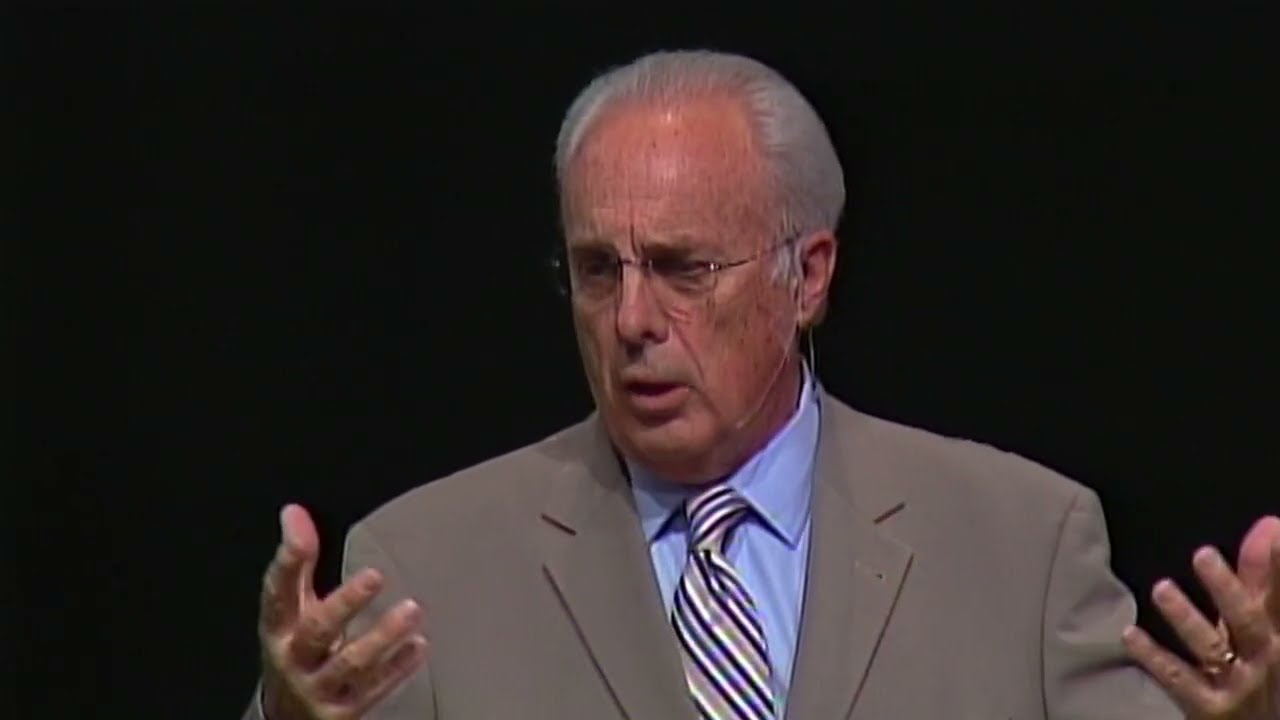
Video Summary
MacArthur opens with humor, saying he has been given “an easy question.” He then shares that his friend, the late broadcaster Larry King, repeatedly returned to the problem of evil as his main reason for not believing. MacArthur frames the skeptic’s argument as a syllogism: the God of the Bible is loving, good, holy, wise and all-powerful; massive evil exists; therefore, the God of the Bible does not exist.
He says some Christians respond by simply retreating to Deuteronomy 29:29, “The secret things belong to the Lord our God.” While that verse is true, MacArthur believes Scripture provides a fuller answer that believers can understand and even rejoice in. He rejects partial explanations that stop at Adam and Eve or at Satan, because both lead back to the question of why God created beings capable of sin. Every legitimate answer, he says, ultimately leads back to God’s nature and purposes. He then presents a sequence of foundational truths.
Key Takeaways
- The problem of evil is a common reason skeptics give for rejecting the God of the Bible.
- Blaming Adam and Eve or Satan alone does not fully answer the question; it leads back to God’s purposes.
- Evil exists in several forms: natural, moral, supernatural and eternal.
- The God of the Bible exists and is absolutely sovereign over all things.
- God is perfectly holy and cannot do evil, yet Scripture presents Him as sovereign over the existence of evil.
- MacArthur argues that evil does not disrupt God’s purposes but is ultimately included within them.
Why Simple Answers Fall Short
MacArthur explains that saying “God isn’t responsible, Adam and Eve are” only raises the question of why God created them with the capacity to sin, knowing what they would choose. Similarly, saying “the devil did it” raises the question of why God created angels knowing one would fall and lead humanity into sin. Since God created everything out of nothing, MacArthur says, He could have made His creatures any way He chose. For this reason, every serious answer must take us back to the character and purposes of God, which is true, he notes, of every foundational doctrine.
Point One: Evil Exists in Many Forms
MacArthur’s first point is simple: evil exists. He contrasts this with belief systems that deny the reality of evil and insists that evil is not minimal but pervasive and dominant. He then outlines four categories.
Natural evil, or calamity, includes disease, disaster and death, the result of a creation that is fallen. He describes being captivated by John Barry’s book The Great Influenza about the 1918 pandemic, which killed tens of millions of people worldwide, many of them young adults whose own immune responses overwhelmed them. He notes how dangerous the world is and expresses gratitude for modern medical advances, observing that the poor often suffer most in disasters. He links this to Romans 8:22, which says the whole creation groans.
Moral evil is personal, internal and spiritual. MacArthur stresses that it is not only seen in atrocities reported in the news, but is present in every human heart. Citing Romans 3, he reminds listeners that “there is none who does good, no, not one,” and that sinful desires lead to broken marriages, families, friendships and wars.
Supernatural evil involves demonic beings. MacArthur references Revelation 12, Ephesians 6:12 and 2 Corinthians 10, describing an ordered system of fallen spirits who deceive people and promote false religious systems. He notes that these forces became especially visible during Jesus’ earthly ministry as He demonstrated His authority over them. He also points to Job and to Paul’s “thorn in the flesh” as examples of God permitting such forces to act within limits.
Finally, he mentions the evil of hell, which he describes as evil that will last forever for those who are there.
Point Two: The Sovereign God Exists
MacArthur’s second point is that God exists: the true and only living God revealed in Scripture, one God in three persons. This God, he says, is absolutely sovereign. He created everything from nothing, governs history in every detail and will bring all things to their appointed conclusion.
He supports this with a series of texts, including 1 Chronicles 29:11, Psalm 115:3 (“Our God is in heaven; He does whatever He pleases”) and Daniel 4:35. He adds, with characteristic directness, that if someone struggles with God’s sovereignty, they should consider how much harder it would be to believe that God is not in control.
MacArthur then cites passages where God openly claims authority over hardship, including Deuteronomy 32:39, Exodus 4:11, Psalm 105:16 and Lamentations 3:37-38, “Is it not from the mouth of the Most High that woe and well-being proceed?” He also points to the flood in Genesis as a clear example of God’s sovereign judgment.
Point Three: God Wills Evil to Exist, Without Being Evil
MacArthur is careful to emphasize that God is holy and cannot do evil or look upon it with approval. Yet he argues that God does not need to be “rescued” from responsibility for the existence of evil. Quoting 1 Timothy 6:15, he calls God “the only Potentate,” and from Matthew 11:26, he notes Jesus’ words, “Even so, Father, for so it seemed good in Your sight.”
His third point follows: God, in His sovereignty, has willed for evil to exist. He cites Isaiah 45:5-9, where the Lord declares that He forms light and creates darkness, and warns against the clay questioning the potter. MacArthur acknowledges that this point is uncomfortable for many, including those from Arminian traditions, but maintains that God allowed and designed evil into His universe for His purposes without Himself being the author of sin. This message pairs naturally with his related teaching Evil Does Not Disrupt God’s Plan.
Viewers should note that Christians hold a range of views on how God’s sovereignty relates to human freedom and evil. MacArthur presents a Reformed perspective, and his full answer develops further in the broader teaching series.
Frequently Asked Questions
What is the “problem of evil” MacArthur addresses?
It is the argument that a loving, good and all-powerful God could not coexist with the massive evil in the world, which some use to reject the God of the Bible.
What types of evil does MacArthur describe?
He identifies natural evil such as disease and disaster, moral evil in the human heart, supernatural evil from demonic forces and the eternal evil of hell.
Does MacArthur say God is the author of evil?
No. He teaches that God is perfectly holy and cannot do evil, yet as the sovereign ruler of all things He has willed evil to exist for His purposes.
Final Thoughts
Why Does God Allow So Much Suffering? is a serious, carefully structured message that refuses to give easy answers. John MacArthur insists that believers do not need to shrink back from the problem of evil, because Scripture presents a God who is both perfectly holy and fully sovereign. Whether or not viewers share every aspect of his theology, the sermon invites them to take both the reality of evil and the greatness of God seriously, and to trust that nothing in creation lies outside His purposes.
