A Voice from Hell, Part 1 (Luke 16:19–31) | John MacArthur | GTYtv
Few passages in the Gospels are as sobering as Jesus’ account of the rich man and Lazarus. In this GTYtv message, John MacArthur begins a study of that passage with A Voice from Hell, Part 1. Before reaching the story itself in Luke 16:19-31, MacArthur lays the groundwork by examining humanity’s fear of death, God’s sovereignty over life and death, and why Jesus would tell such a disturbing story at all.
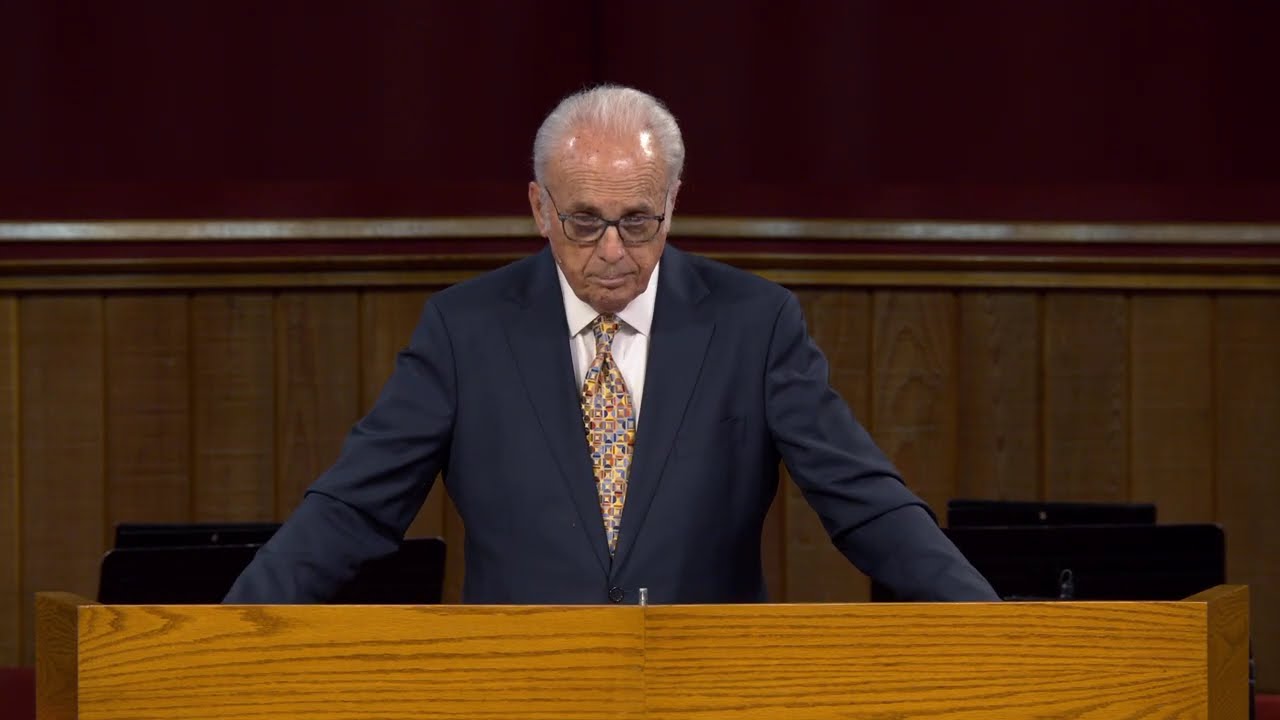
Video Summary
MacArthur opens by describing what he calls a “normal fear” in the human heart: the fear of death. He argues that this fear is not merely about pain or the finality of life ending. It stems from the law of God written on every heart and a conscience that senses there may be an accounting. Even people who reject the Bible, he says, cannot escape awareness of their own sin or the sense that justice exists. Death is called the “king of terrors” because people suspect judgment may follow, as Hebrews 9:27 says.
He contrasts this with the believer’s perspective. For Christians, death is an entrance into the Lord’s presence and is “far better.” Fear, he says, is not a Christian virtue, and neither is an excessive preoccupation with safety. Throughout history, faithful believers have been marked by self-denying virtue focused on others rather than self-protection.
MacArthur then surveys Scripture to show that God alone gives and takes life. He points to Job’s response to tragedy, Jesus’ warning in Luke 12 about fearing God rather than men, and Luke 13, where Jesus used recent tragedies to call people to repentance. Finally, he introduces the rich man of Luke 16, a religious person who expected heaven and was shocked to find himself in torment, and explains that Jesus told the story as a merciful warning.
Key Takeaways
- The fear of death is rooted in a conscience that senses coming judgment.
- For believers, death is a doorway into the presence of Christ.
- Fear and an obsession with safety are not biblical virtues for Christians.
- God, not Satan, holds authority over life, death and final judgment.
- Every person lives on borrowed time and needs to repent.
- Jesus’ warnings about hell are expressions of mercy and compassion.
The King of Terrors
MacArthur explains that people try many ways to suppress awareness of sin: psychological games, substances, busy lives and constant relationships. Yet the conscience continues its work. People intuitively understand right and wrong and sense that an accounting may come. That, he says, is why death holds such power over the human heart. Hebrews 9:27 states plainly that it is appointed for people to die once, and after this the judgment.
A Christian View of Death and Safety
For believers, MacArthur says, the situation is entirely different. Paul could say that to depart and be with Christ is far better, and that to be absent from the body is to be present with the Lord. Because God commands “fear not,” fear is not a virtue for Christians. MacArthur provocatively adds that safety is never listed as a virtue in Scripture. Life involves risk, and faithful Christians throughout history have not been preoccupied with self-protection, though he clarifies he is not advocating recklessness.
God Gives and God Takes
MacArthur turns to Job 1, where Job lost his servants, livestock and children in a series of disasters. Job tore his robe, fell to the ground and worshiped, saying, “The Lord gave, and the Lord has taken away; blessed be the name of the Lord.” MacArthur notes that Job did not blame Satan; he recognized that God governs life and death.
Jesus made this explicit in Luke 12:4-5: do not fear those who can kill the body, but fear Him who has authority to cast into hell. MacArthur stresses that Satan does not cast anyone into hell; he himself will be cast there, according to Revelation 20:10. James 4 reminds believers that life is a vapor and that all plans should be made with “if the Lord wills.”
Living on Borrowed Time
In Luke 13:1-9, people asked Jesus about Galileans killed by Pilate and eighteen people crushed by the tower of Siloam. Jesus said they were not worse sinners than others, but “unless you repent you will all likewise perish.” He then told the parable of the fruitless fig tree, spared for one more year. MacArthur says this shows that everyone is living on borrowed time, and that each death is a reminder of what awaits all people.
Why Jesus Told This Story
MacArthur introduces the rich man of Luke 16 as a religious person who believed he was headed for heaven and saw his wealth as a sign of God’s approval. Instead, he found himself in torment. The story is shocking, MacArthur says, but Jesus told it as a warning, and every warning is an act of mercy. It explains what went wrong for someone who expected heaven but did not truly know God. For more of MacArthur’s teaching, see The Benefits of Abiding in Christ and You Are What You Think.
Frequently Asked Questions
What passage does “A Voice from Hell” cover?
The series examines Luke 16:19-31, the account of the rich man and Lazarus. Part 1 lays the foundation with passages from Job, Luke 12, Luke 13 and Hebrews 9.
Why are people afraid of death according to MacArthur?
He teaches that the conscience, shaped by God’s law, makes people aware of their sin and of a possible future accounting, which produces fear.
Why would Jesus tell a story about hell?
MacArthur explains that Jesus told it as a merciful warning to people who assume they are right with God but are not.
Final Thoughts
A Voice from Hell, Part 1 confronts listeners with eternal realities that are easy to ignore. John MacArthur reminds believers that death holds no terror for those in Christ, while urging everyone else to take Jesus’ warnings seriously. Because God holds life and death in His hands, the wise response is repentance and faith in the Savior who died and rose again.