God’s Love For You Is Unconditional | Victoria Osteen
In a world of filters, editing apps and carefully curated images, many people work hard to earn approval. In this encouraging message, Victoria Osteen reminds believers that God does not need them to put a filter on their lives. Her theme is simple and freeing: God’s love for you is unconditional. It is not earned by performance or lost through failure; it is received through what Jesus has already done.
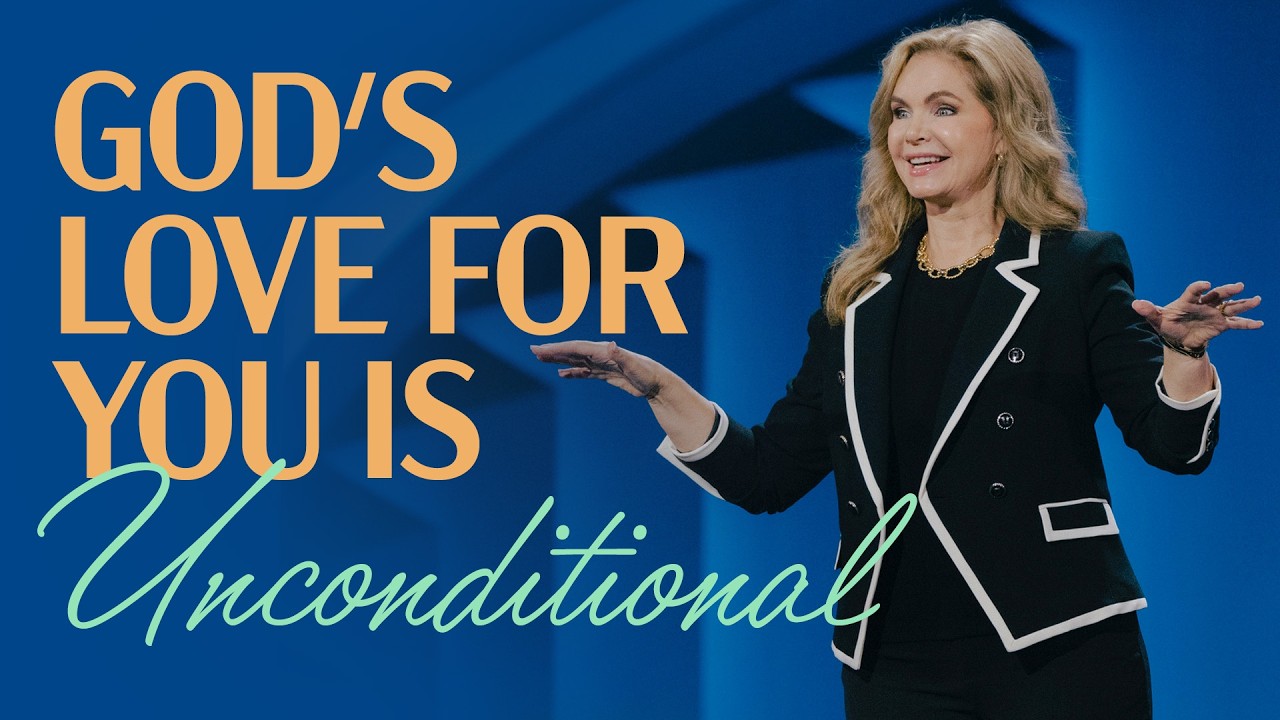
Video Summary
Victoria opens by celebrating that God calls people just as they are, not after they have made themselves look good. She imagines how freeing it would be to live knowing you are fully loved, no longer anxious about saying or doing the wrong thing. She contrasts that freedom with the pressure of social media, where people use filters and apps to present an idealized version of themselves in pursuit of approval.
From there she explains the difference between grace and performance, illustrates unconditional love through her marriage, shares the story of a young man who changed his perspective, and points to Scripture’s assurance that nothing can separate believers from God’s love.
Key Takeaways
- God calls people as they are, not when they are perfect.
- God’s love is not based on performance; it rests on what Jesus accomplished.
- Trying to earn God’s love leads to comparison and judgment of others.
- Believers can only receive God’s love and grace; they cannot work for it.
- Unconditional love creates an environment where people grow and flourish.
- Shifting from a victim mindset to a victor mindset opens the door to God’s goodness.
No Filter Needed
Victoria observes that people often present themselves carefully to win others’ approval, and it is easy to get caught up in that. But God, she says, does not need anyone to download an app to make themselves look better. He loves and likes His children just as they are. When believers build their lives on that foundation, refusing to condemn themselves and trusting that God loves them with an everlasting love (Jeremiah 31:3), they can walk out the door each day giving their best to honor Him, knowing they are not perfect but He is. That, she says, makes people steady and strong.
Grace Versus Performance
A common trap, Victoria explains, is believing God’s love rises and falls with our behavior: when we do well, He loves us; when we fail, He is angry. That is conditional love, and it is not how God loves. He loves because of Jesus Christ.
She warns that trying to earn God’s love shifts a person from grace to works, and works quickly lead to comparison. People begin to think others are not as good as they are and wonder why those people receive blessings. But the work has already been done. Believers cannot earn God’s love or favor; they can only receive it by believing that Jesus died for them and closed the gap between heaven and earth. The price He paid, she says, is one no one else could ever pay (Ephesians 2:8–9).
A Marriage Built on Unconditional Love
Victoria draws on nearly thirty years of marriage to Joel. Their relationship, she says, was not built on either of them being perfect or agreeing on everything, but on a commitment to love each other unconditionally. She humorously imagines coming to Joel feeling worthless because she burned dinner, forgot to balance the checkbook or spent too much money. If she assumed he loved her less, she would project her own sense of inadequacy onto him, even if he was not thinking that at all.
Instead, when she approaches him confident in his love, she can admit a mistake, apologize and do better. Unconditional love empowers growth. The same is true with God, she says. Children flourish in nurturing environments, not harsh and critical ones, and believers grow best when they are secure in God’s love. They can say, “God, I’m sorry, I messed up, but thank You that You still love me and that I can do better.”
From Victim to Victor
Victoria emphasizes that the cross was a demonstration of love given before anyone accepted Jesus. As Romans 5:8 says, while we were still sinners, Christ died for us. She urges listeners not to project their own self-criticism onto God, assuming that if they cannot forgive or like themselves, God must feel the same way.
She shares a conversation with a young man who had gone through divorce, separation from his children and repeated struggles. He used to ask God what was wrong with him and assumed his hardships reflected how little God valued him. Eventually he chose to stop looking through the lens of a victim and to see himself as a victor in Christ. He began asking God to show him His love and teach him through his circumstances. He told Victoria that his life opened up as God brought new relationships and opportunities.
Victoria then turns to Paul’s words in Romans 8, which declare that nothing can separate believers from the love of God in Christ Jesus (Romans 8:38–39). For more from Victoria Osteen, read Find Your Worth Through Jesus Christ and Bring Value To Our Relationships.
Frequently Asked Questions
Does God’s love depend on our behavior?
According to Victoria Osteen, no. God’s love is unconditional and rests on what Jesus did on the cross, not on our performance.
Why is trying to earn God’s love harmful?
She explains that it shifts us from grace to works and leads to comparing ourselves with others and judging who deserves blessing.
How does unconditional love help people grow?
Victoria teaches that, like children in a nurturing home, believers flourish when they are secure in God’s love, which empowers them to admit mistakes and improve.
Final Thoughts
“God’s Love For You Is Unconditional” is a reassuring reminder for anyone weary of performing for approval. Victoria Osteen invites believers to drop the filters, receive the love Jesus secured and live from a place of security rather than striving. When we know we are loved, we are finally free to grow.
