The Holy Spirit and Healing Kathryn Kuhlman Teaching Film Part 1
In this archival teaching film, the well-known healing evangelist Kathryn Kuhlman speaks about the person and work of the Holy Spirit and His role in the miracles reported in her services. Her message on the Holy Spirit and healing is notable for its humility: she repeatedly insists that she has no healing power of her own, that Jesus Christ must always remain at the center, and that every genuine miracle is the work of the Holy Spirit, the same power that raised Jesus from the dead.
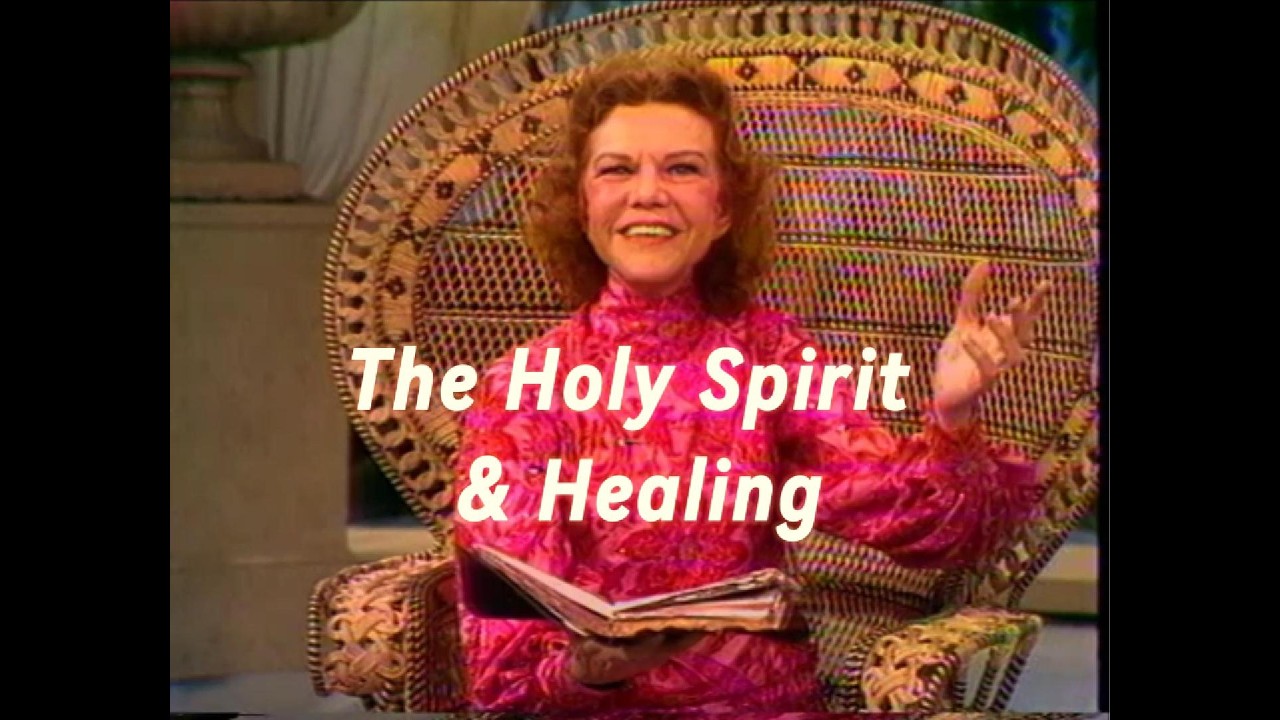
Video Summary
Kuhlman opens with a confession of faith: she believes in miracles “with every atom” of her being, not because she understands them, but because she believes in God. She reminds viewers that every person will eventually face a moment when they need a miracle, and that God will be present in that hour.
She then describes the worldwide interest in the Holy Spirit that she witnessed in her day, across Catholic and Protestant traditions, and compares it to the excitement of the early church after Pentecost. From there she explains the Spirit’s role in healing, the importance of keeping Jesus central, the mystery of God’s power, and why she believes Jesus Himself depended on the Holy Spirit during His earthly ministry.
Key Takeaways
- Kuhlman believed in miracles because she believed in God, not because she could explain them.
- The Holy Spirit is with every believer and can fill believers with power for service.
- Jesus Christ, the great High Priest, must always remain the center of attention.
- Kuhlman insisted she had no healing virtue; healing is the work of the Holy Spirit.
- Acts 10:38 shows that God anointed Jesus with the Holy Spirit and power.
- Like the wind, the Spirit cannot be seen, but His effects can be.
The Excitement of the Holy Spirit
Kuhlman recalls the day of Pentecost, when about 120 believers waited in the upper room and were filled with the Holy Spirit, just as Jesus had promised (Acts 2:1–4). Wherever the Spirit moves, she says, there is spiritual excitement. She distinguishes between the Spirit’s presence with every believer and a later experience in which He fills the believer with power for service.
Never Lose Sight of Jesus
Before describing the Spirit’s work in healing, Kuhlman issues a clear caution: the one who is all-important is Jesus Christ, the great High Priest seated at the right hand of the Father. Even in services where people sense the Spirit’s presence, weep without knowing why or describe warmth and tingling, she insists that attention must remain on Jesus. In her view, it is the presence of the Holy Spirit that people feel in those moments.
She also speaks frankly about experiences she says she does not understand, including people falling under what she called the Spirit’s power. She admits she cannot explain it and stresses that she has “absolutely nothing” to do with it. She suggests that mortal bodies are not built to bear the fullness of God’s presence, which is why one day “this mortal must put on immortality” (1 Corinthians 15:53).
Who Can Fathom the Power of God?
Kuhlman describes the Holy Spirit’s power as the same power that raised Jesus from the dead and the greatest power in the world. Who, she asks, can fully understand the God who spoke the worlds into existence and said, “Let there be light”? She is content to believe without fully comprehending.
Jesus’ Dependence on the Spirit
One insight Kuhlman calls among the greatest revelations she received is that Jesus, in His incarnation, relied completely on the Holy Spirit to perform miracles. She points to Acts 10:38: “God anointed Jesus of Nazareth with the Holy Spirit and with power, who went about doing good and healing all who were oppressed by the devil, for God was with Him.” Jesus, she says, was the instrument; the Spirit was the power. She notes that when skeptics questioned Him, Jesus told them to believe because of the works themselves (John 10:38).
Kuhlman adds that the Spirit’s work is not new. The extraordinary acts in the lives of Gideon, Samson and Joseph, she says, were the Spirit’s power at work, which is why David prayed, “Do not take Your Holy Spirit from me” (Psalm 51:11).
A Testimony and a Season of Grace
Kuhlman recounts a testimony shared in one of her services: a high school teacher came to the platform with his father, explaining that his father’s facial tumors had disappeared during the meeting. She asks what explains such accounts and answers that it is the same Holy Spirit in whom Jesus placed complete confidence. She also stresses that what she saw was not limited to her ministry.
She describes her era as an hour of grace and mercy, believing the Spirit was doing a special work before the close of the present age. She ends with Jesus’ illustration from John 3:8: no one has seen the wind, yet everyone sees its effects. In the same way, no one has seen the Holy Spirit, but His work can be witnessed. For more from Kuhlman, see Deep teaching on prayer by Kathryn Kuhlman and Comfort for Troubles.
Frequently Asked Questions
Did Kathryn Kuhlman claim to heal people?
No. In this teaching she repeatedly insists that she has no healing virtue and that any healing is the work of the Holy Spirit.
What Bible verse does Kuhlman use about Jesus and the Holy Spirit?
She highlights Acts 10:38, which says God anointed Jesus of Nazareth with the Holy Spirit and with power to do good and heal.
How does Kuhlman explain the unseen work of the Holy Spirit?
She uses Jesus’ wind illustration from John 3: the wind cannot be seen, but its effects are visible, just as the Spirit’s work is seen through its results.
Final Thoughts
“The Holy Spirit and Healing, Part 1” offers a glimpse into how Kathryn Kuhlman understood her ministry. Whatever one’s views on healing services, her emphasis is unmistakable: exalt Jesus, depend on the Holy Spirit and give God all the glory. Her humility before the mystery of God’s power remains a challenge for believers in any generation.
