Craig Groeschel: NBA Psychologist: The Secret to Thriving Under Pressure | Dr. Wayne Chappelle
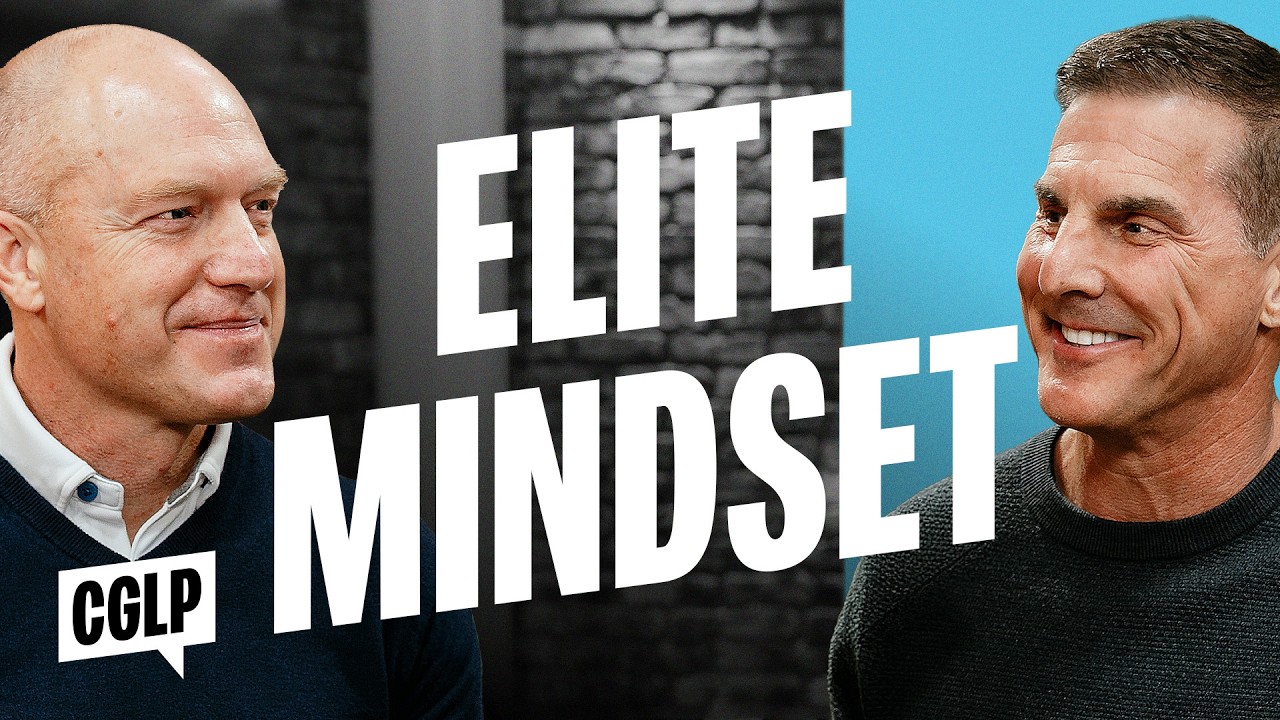
On this episode of the Craig Groeschel Leadership Podcast, Pastor Craig Groeschel sits down with psychologist Dr. Wayne Chappelle, whom he affectionately calls “Dr. C,” to talk about thriving under pressure. Dr. Chappelle has worked with senior military leaders, Olympic athletes, and the Oklahoma City Thunder, and he also helped Craig through a difficult personal season. Together they explore how leaders can move beyond simply surviving and learn to become extraordinary in extraordinarily difficult conditions.
Video Summary
The conversation opens with a striking idea from Dr. Chappelle: becoming extraordinary is not about performing well when conditions are easy, but about performing well when they are hard. Craig Groeschel then introduces his guest’s background, including his work with government and military officials, Olympic athletes, and an NBA team, where he helps evaluate players for mental resilience. Craig also shares that Dr. Chappelle began helping him around 2019 when he reached a point of needing outside support, and that the two later co-authored a book on mental and emotional health from a biblical perspective.
Dr. Chappelle describes first seeing himself as a leader at about age 30 in the military, when he was unexpectedly placed in charge of a clinic. Leading a large organization through demanding missions forced him to think differently about influence and care for others. The discussion then turns to whole-life development: physical, mental, and spiritual habits practiced daily. Dr. Chappelle explains that mental health exists on a continuum from struggling to surviving to thriving, and that many leaders who believe they are thriving are actually just surviving.
Near the end, Craig Groeschel opens up about his own season of struggle and why he wanted to write about mental health alongside a qualified professional, inviting other leaders to be honest about what they are facing.
Key Takeaways
- Extraordinary leaders perform well not only in normal conditions but in extraordinarily difficult ones.
- Leadership often begins when a person is thrust into responsibility before they feel ready.
- Whole-life development includes intentional care for the body, the mind, and the spirit.
- Mental health is a continuum: struggling, surviving, and thriving.
- Many leaders mistake surviving for thriving.
- Healthy habits should be built daily, not only after problems appear.
- Seeking outside help is a sign of wisdom, not weakness.
Becoming Extraordinary in Difficult Conditions
Dr. Chappelle’s opening statement frames the entire conversation. It is one thing to do well when life is calm. It is another to remain steady and effective when the pressure is intense. According to Dr. Chappelle, certain traits define people who thrive in those moments, and those traits can be developed. That insight is relevant for executives, pastors, parents, and anyone carrying responsibility.
Scripture offers a similar picture. James 1:2-4 describes trials as the very environment in which patience and maturity are formed. Pressure does not have to destroy a leader; it can reveal and refine what is inside.
Thrust Into Leadership
Craig Groeschel asks when Dr. Chappelle first saw himself as a leader. Surprisingly, it was not until around age 30, about a year into his military career, when the leader overseeing his clinic was removed and he was placed in charge. He had been focused on helping individuals perform under unique conditions, but suddenly he had to influence an entire organization and lead people into demanding missions while caring for both himself and each person on his team.
This story resonates with many leaders who never planned to lead. It suggests that leadership is often discovered in moments of necessity, and that the skills developed in serving individuals can be expanded to serve whole teams.
Whole-Life Development
Craig Groeschel asks what it takes to be among the top one percent of leaders. Dr. Chappelle answers with what he calls whole-life development. Leaders must be intentional in caring for their bodies through rest, nutrition, and exercise, intentional in caring for their minds, and intentional in practicing spiritual disciplines every day. These areas are connected, and neglecting one eventually affects the others.
The apostle Paul makes a related point in 1 Timothy 4:8, noting that bodily exercise profits a little, but godliness is profitable for all things. Physical health matters, but spiritual health anchors the whole person.
The Mental Health Continuum
One of the most practical parts of the conversation is Dr. Chappelle’s description of mental health as a continuum rather than an on-off switch. Many leaders assume they either have good mental health or they do not, and they only pay attention when they begin to struggle. He describes three zones:
- Struggling: emotional, social, or behavioral difficulties are affecting a person’s ability to function at work and at home.
- Surviving: a person feels fine on an ordinary day and does relatively well, but is not growing or building resilience.
- Thriving: a person is intentionally building habits that allow them to withstand stress and flourish under pressure.
According to Dr. Chappelle, many leaders think they are thriving when they are actually surviving. A holistic lifestyle means developing healthy patterns every day so that challenges do not knock a leader off course.
Craig Groeschel’s Honest Story
In a vulnerable moment, Craig Groeschel uses the illustration of pushing a button harder and harder when it no longer produces the expected result. For years, he says, certain leadership habits produced predictable results. When the results changed, his instinct was to push harder rather than consider a different approach.
He explains that he had mixed feelings about writing on mental health, since he is “just a pastor,” but he could bring biblical insight while Dr. Chappelle provided professional expertise. He also did not want to make people anxious by over-focusing on problems. His goal was to give permission for leaders to be honest and to show how getting help made a difference for him. This reflects the biblical invitation in Philippians 4:6-7 to bring every anxiety to God and receive His peace, and the call in Romans 12:2 to be transformed by the renewing of the mind.
For more from Craig Groeschel, read Building a Culture of Trust and The One Leadership Skill That Changes Everything.
Frequently Asked Questions
What does it mean to thrive under pressure?
According to Dr. Chappelle, it means performing well not just in normal conditions but in extraordinarily difficult ones, supported by daily physical, mental, and spiritual habits.
What is the mental health continuum?
It is a way of describing mental health in three zones: struggling, surviving, and thriving, rather than simply “healthy” or “unhealthy.”
Why did Craig Groeschel seek outside help?
He shares that he reached a point where his usual approaches were no longer working, and getting help from a qualified professional helped him recover and grow.
Final Thoughts
This conversation offers leaders both permission and a plan. Craig Groeschel and Dr. Wayne Chappelle show that thriving under pressure is not reserved for elite athletes or military officers. It is available to anyone willing to care for the whole person, recognize when they are only surviving, and humbly seek help when they need it.