Living Grateful: How Gratitude Transforms Your Life | Paula White-Cain | City of Destiny
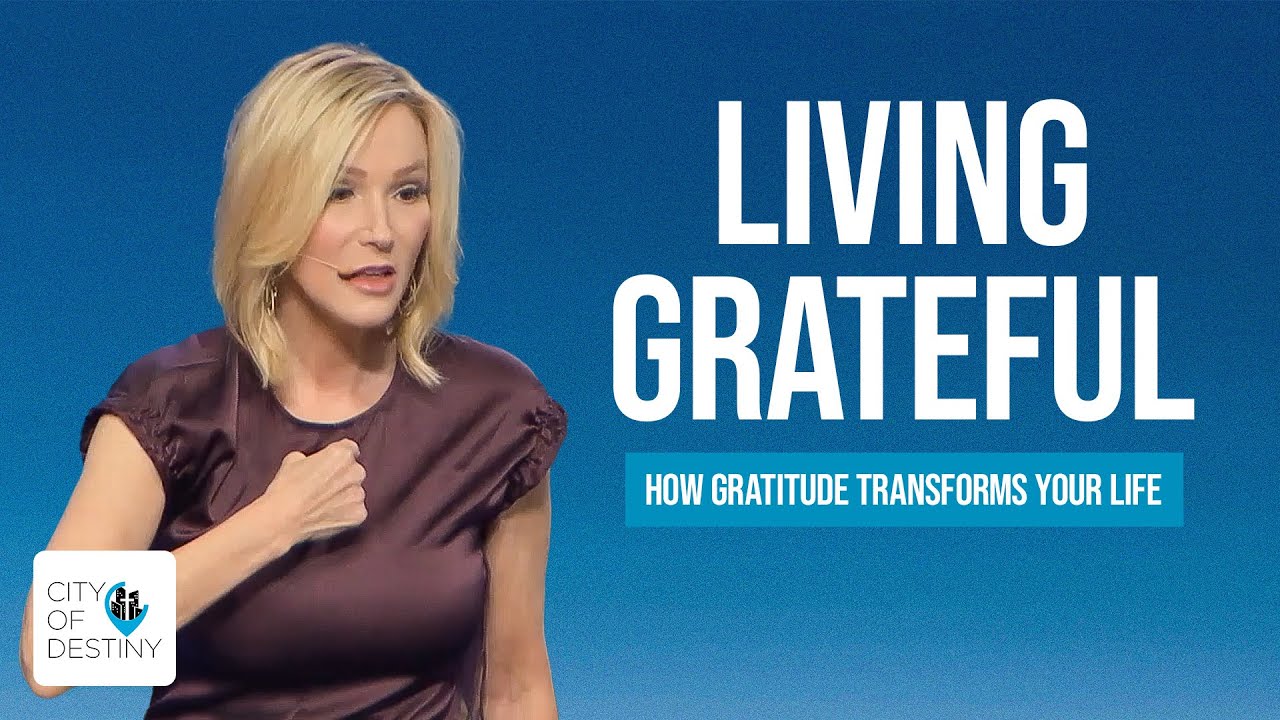
In this City of Destiny message, Pastor Paula White-Cain continues a teaching series on thankfulness with a practical and deeply personal sermon titled Living Grateful: How Gratitude Transforms Your Life. Building on 1 Thessalonians 5, she argues that gratitude is not a personality trait reserved for naturally cheerful people but God’s will for every believer, and that it is closely tied to spiritual wholeness, healthy relationships and the free flow of grace.
Video Summary
White-Cain begins by reading 1 Thessalonians 5:16-18: rejoice always, pray without ceasing, and in everything give thanks, for this is the will of God in Christ Jesus. With humor, she admits that some people are naturally “sunshine” while others lean more toward a melancholy outlook, but she points out that God gives these instructions to everyone. She notes that Scripture says to give thanks in all circumstances, not for every circumstance, and connects the passage to the following verses about God making believers holy and whole in spirit, soul and body.
She reviews principles from earlier in the series, including the idea that “what you appreciate appreciates,” and summarizes research showing that grateful people tend to experience better mental health, less stress, healthier coping and stronger relationships. Then she moves into the relationship between gratitude and praise, explaining that praise is fundamentally acknowledgement: recognizing someone for who they are and what they have done.
In the final portion, White-Cain gets honest about what blocks gratitude. She asks listeners whose sins they are holding onto, what offense they have not released, and why they feel sour or irritable. Because grace is the nature of a born-again believer, she says, a lack of gratitude often signals an internal blockage that needs to be reset through repentance, forgiveness and renewed relationship with God.
Key Takeaways
- Gratitude is God’s will for every believer, regardless of temperament.
- Believers give thanks in all circumstances, not necessarily for every circumstance.
- Gratitude is connected to holiness and wholeness in spirit, soul and body.
- “What you appreciate appreciates”: valuing what you have helps it grow.
- Praise is acknowledgement of who someone is and what they have done.
- Unforgiveness and offense can block the flow of grace and gratitude.
Gratitude Is God’s Will, Not a Personality Type
White-Cain challenges the common assumption that thankfulness comes easily only to optimistic people. God does not say, “Let the cheerful be joyful always.” He addresses all believers. That includes moments of celebration, such as weddings, births and promotions, but also hard seasons like a difficult diagnosis. She clarifies that believers are not told to be thankful for cancer, but to maintain a posture of gratitude in the midst of it, because God remains faithful.
She draws attention to verses 23-24, where Paul prays that God would sanctify believers completely and preserve them blameless, adding that “He who calls you is faithful, who also will do it.” For White-Cain, being “fit” for Christ’s return is not only about spiritual warfare or memorizing Scripture; it includes a joyful, prayerful and thankful life.
What You Appreciate Appreciates
Revisiting a key principle from the series, White-Cain teaches that appreciation increases value. If someone wants more love, more friendship or more blessing, they should begin by appreciating what they already have. She cites studies in which people who actively expressed gratitude, for example through letters, showed measurable improvements in well-being, sleep and outlook compared with control groups. Grateful people, she notes, tend to reinterpret pain more constructively, plan for challenges and rely less on denial, blame or unhealthy coping.
Praise as Acknowledgement
A memorable section of the sermon focuses on acknowledgement. White-Cain shares candidly that for years she would brush off appreciation from her church, but eventually admitted that being acknowledged does matter after giving her life to ministry. She applies the same truth to marriages and families, describing how she gets up to greet her husband when he comes home rather than ignoring his arrival.
That everyday picture becomes a spiritual lesson. When the King of Glory is present, believers should not carry on distracted. They should acknowledge His presence, His goodness and His glory. She summarizes that to praise is to acknowledge someone for who they are and then for what they have done. Citing gratitude researcher Dr. Robert Emmons, she adds that gratitude involves recognizing the role others have played in bringing goodness into our lives, even people whose part did not feel good at the time.
Removing the Blockages to Gratitude
White-Cain closes by going beneath habits like gratitude journals. Those tools help, she says, but they are not the root. If a believer feels sour, critical, impatient or perfectionistic, she encourages them to ask what is wrong at the core: whose sins they are retaining, who they have not forgiven, and what they are still angry about. Since the nature of a born-again believer is grace, such blockages interrupt the flow of favor and joy.
She also emphasizes that God desires relationship, not merely transaction. He is a covenant-keeping God, but He is moved most by hearts that know and love Him. Readers can explore more of her teaching in Devoting Our Emotional Wholeness to God and The Crushing Process: Lessons from the Tabernacle.
Frequently Asked Questions
What Bible passage is “Living Grateful” based on?
Paula White-Cain centers the message on 1 Thessalonians 5:16-18, along with verses 23-24, which connect joy, prayer and thanksgiving to being made holy and whole.
Does the Bible say to be thankful for bad things?
According to White-Cain, Scripture says to give thanks in all circumstances, not for every circumstance. Believers can stay grateful to God even during hardship because He remains faithful.
What blocks gratitude, according to this sermon?
She points to unforgiveness, lingering offense and inner bitterness, encouraging believers to release others and reset their hearts so grace can flow freely.
Final Thoughts
Living Grateful: How Gratitude Transforms Your Life blends Scripture, research and personal stories into a clear message: gratitude is a choice and a spiritual discipline that shapes attitudes, atmospheres and actions. Paula White-Cain invites believers to rejoice, pray and give thanks in every season, to acknowledge both God and the people around them, and to remove the hidden blockages that keep grace from flowing.
