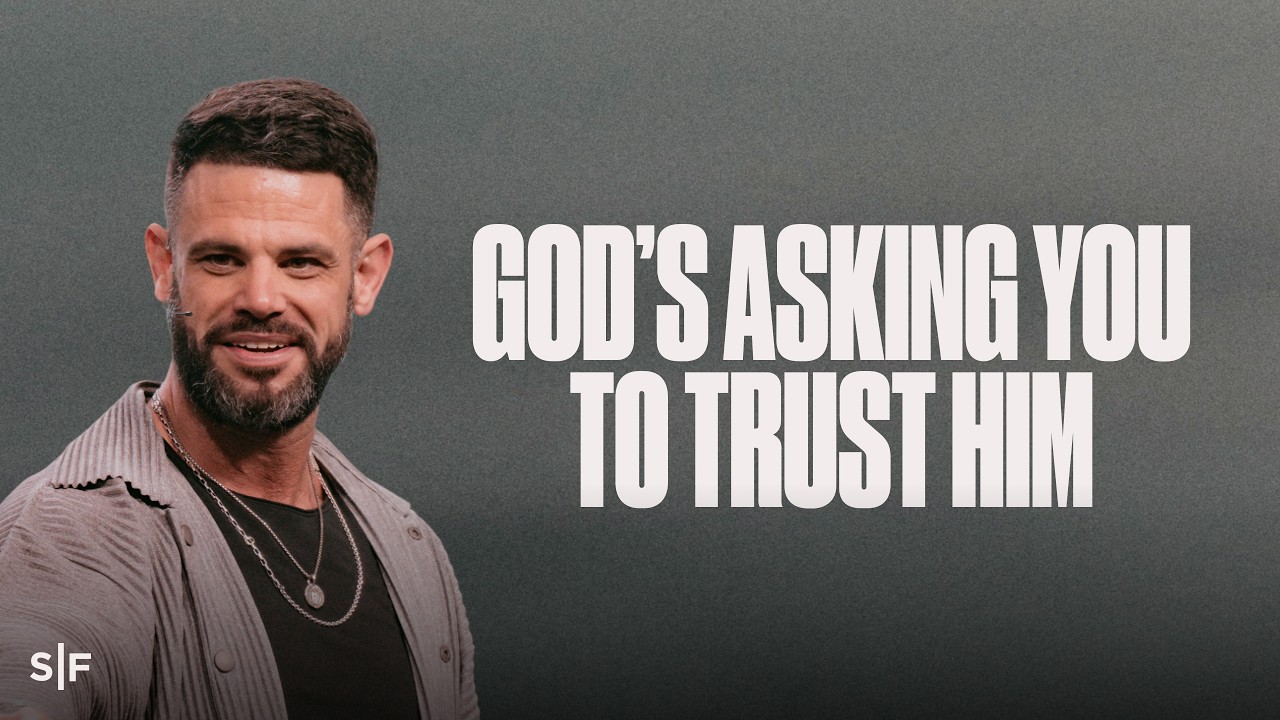
God’s Asking You To Trust Him | Steven Furtick
In this message, Pastor Steven Furtick of Elevation Church explores one of the most challenging stories in the Bible, Abraham’s test on Mount Moriah, and draws out a simple but powerful principle about trusting God: the deeper the level of trust, the less the need for details. With humor and honesty, he encourages believers to take the steps God is asking of them even when they do not have the full picture.
Video Summary
Steven Furtick opens with everyday illustrations. When his wife Holly goes to get her nails done, he does not ask for details about where she is going, how long it will take, or how much it will cost, because he trusts her. He contrasts this with parents of teenagers who, when trust is low, need every detail: which movie, which theater, which seat, and how much butter on the popcorn. When trust is high, the answer is simply, “Sure. Be home by 11:30.” He adds that he would sign a document from his longtime ministry partner in the middle of a sermon without reading it, because years of shared experiences have built deep trust.
Furtick then frames the story of Abraham and Isaac. He clarifies that the text is not about God calling anyone to harm their child; it is about trust. Abraham did not receive all the details, yet he moved forward in obedience. Furtick applies this to areas like generosity and calling, urging listeners not to get stuck on what they do not know.
He also distinguishes between God’s tests and the devil’s temptations, and he describes “let’s go moments” of faith, like the disciples leaving their nets to follow Jesus. He closes by encouraging believers to hold on to what God has said, even when circumstances and emotions tell a different story: “I still believe it.”
Key Takeaways
- The deeper the level of trust, the less the need for details.
- Trust is built through shared experiences and a track record of faithfulness.
- Abraham’s test is ultimately a story about trust, not about harming a child.
- God tests believers to draw them deeper into His will; the devil tempts them away from it.
- Generosity and obedience often require moving forward without full information.
- Faith holds on to God’s word even when circumstances say otherwise.
Trust and the Need for Details
Steven Furtick’s central insight is memorable: “The deeper the level of trust, the less the need for details.” When people do not trust someone, they demand explanations, timelines, and proof. When trust is strong, they simply say yes. Furtick suggests that many believers relate to God like an anxious parent with a teenager they do not trust, needing every detail before taking a step.
He points out that his own trust in people grew through experience. The first time he met his ministry partner, he needed details. Over time, as they walked through life together, the need for details faded. The same is true with God. Every time believers see His faithfulness, their capacity to trust Him grows. As Proverbs 3:5-6 says, “Trust in the Lord with all your heart, and lean not on your own understanding.”
Abraham’s Test Is About Trust
The biblical foundation is Genesis 22, where God tests Abraham by asking him to offer Isaac on Mount Moriah. Furtick deliberately frames the story so that listeners do not get lost in its difficulty. God is not calling anyone to harm their child, he says; the passage is about trust. Abraham did not have all the details, but he believed God was faithful.
The New Testament explains Abraham’s mindset in Hebrews 11:17-19: he concluded that God was able to raise Isaac even from the dead. His obedience flowed from deep confidence in God’s character, and on the mountain he discovered that “the Lord will provide.”
God Tests, the Devil Tempts
Furtick draws an important distinction. The devil does not test people; he tempts them, trying to lead them outside God’s will. God tests His people in order to bring them deeper into His will. In fact, Furtick says, only God can truly test a believer. The devil can only tempt them not to trust God during the test. This aligns with James 1:13-14, which teaches that God does not tempt anyone with evil.
Understanding this difference, Furtick says, keeps believers from getting stuck in what he calls “the even though,” the endless list of reasons not to obey.
Moving Forward Without All the Details
Furtick applies the principle to generosity. Sometimes God prompts someone to give, and they hesitate because they are unsure how the money will be used. He reminds listeners that generosity is a calling, not a reward for others’ trustworthiness. He is careful to clarify that trusting God does not mean acting recklessly, like driving until an angel speaks. It means taking the next step God has clearly shown, even without knowing everything that follows.
“Let’s Go” Moments
He describes the excitement of what he calls “let’s go moments,” like when Jesus called fishermen to follow Him and they left their boats behind, as recorded in Matthew 4:19-20. They did not know what the next three years would hold, but they trusted the One who called them. Many of faith’s greatest adventures begin with a step taken before the details are clear.
“I Still Believe It”
Furtick closes with an emotional call to hold on. When everything a person sees and feels tells a different story, they can point back to what God has said. His examples are vivid: “My bank account is a liar, but God is true.” “Not many people believe in me right now, but God has called me.” He admits that sometimes believers are holding on “barely by a fingernail,” but they keep climbing. Even in pain, they can declare, “I still believe it.”
For more from Steven Furtick, read Trust That God’s Working It Out and When Resistance Doesn’t Make Sense.
Frequently Asked Questions
What does Steven Furtick mean by “the deeper the trust, the less the need for details”?
He means that when people truly trust someone, including God, they do not need every explanation before acting, because the relationship itself provides confidence.
Is the story of Abraham and Isaac about harming a child?
No. Furtick stresses that the passage is about trust, showing Abraham’s confidence that God would provide.
What is the difference between a test and a temptation?
God tests believers to draw them deeper into His will, while the devil tempts them to step outside of it.
Final Thoughts
This message invites believers to examine how much they demand from God before they obey. Steven Furtick reminds listeners that trust grows through experience, that God’s tests are meant to strengthen them, and that faith often means saying “let’s go” before every detail is known.
