Don’t Change Your Mind About God When Life Gets Hard | Sarah Jakes Roberts
In Don’t Change Your Mind About God When Life Gets Hard, Pastor Sarah Jakes Roberts teaches that real transformation begins in the way we think. Drawing on the story of Job and the Israelites in the wilderness, she explains that both God and the enemy are trying to change our minds, and she challenges believers to develop the kind of spiritual resilience that holds onto God’s character no matter what they face.
Video Summary
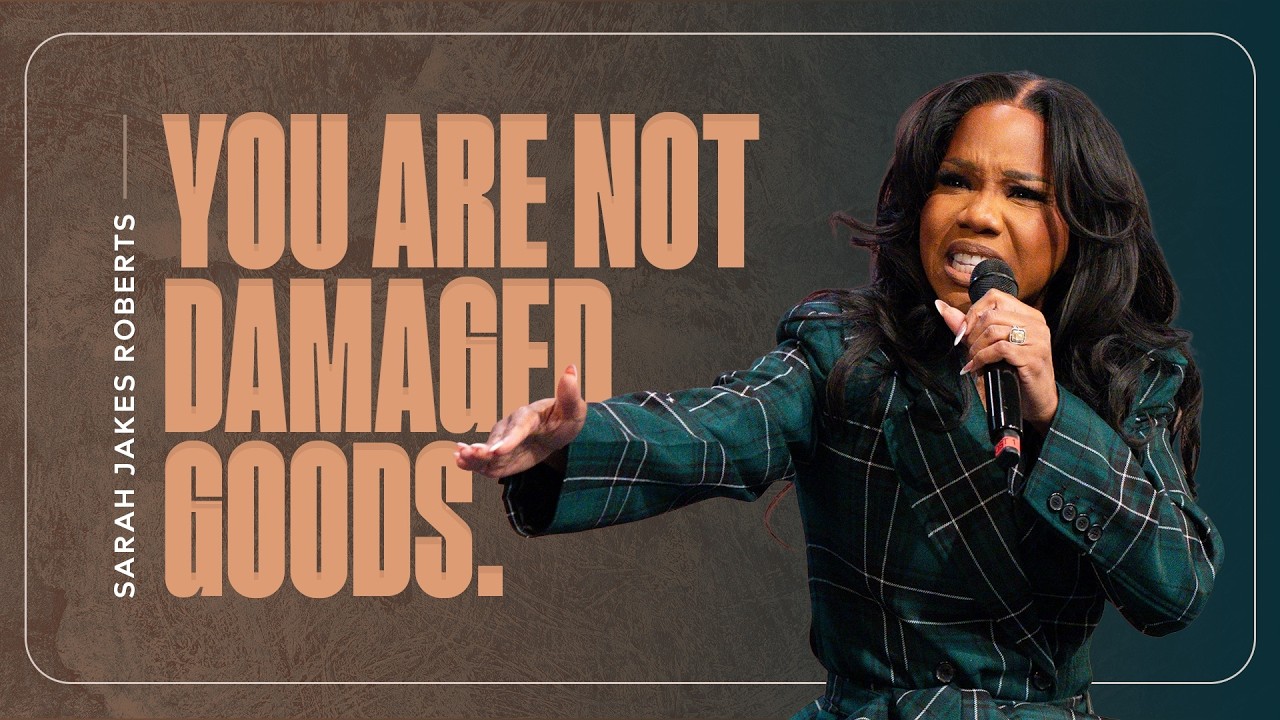
Roberts opens with a simple but powerful premise: this is not about changing behavior or appearance, but about changing the way we think. When our thinking changes, she says, our language, marriages and creativity change as well. She shares some of the lies she had to reject personally, such as believing she was “damaged goods,” that God could not use her or that she had to perform to earn love.
She then describes a spiritual battle for the mind, offering a test to discern whether God or the enemy is trying to change us. Job becomes her example of someone who refused to change his mind about God despite devastating loss. Finally, she turns to Exodus, where God reveals Himself as the One who wants to dwell with His people in the wilderness, while the Israelites, uncomfortable with the new, build a golden calf that resembles where they came from.
Key Takeaways
- Lasting change begins with transformed thinking.
- God’s love is not earned by performance; it was always about Him.
- Both God and the enemy are trying to change our minds.
- Test any change by asking whether it draws you closer to God or pulls you away.
- Like Job, believers can ask questions without changing their view of God’s character.
- God wants to dwell with His people, even in the wilderness.
- Discomfort with the new can tempt us to rebuild old patterns.
Change the Way You Think
Roberts teaches that the enemy often convinces people they must perform to receive connection and love. But God’s love is freely given. He knew our brokenness, frailty and strengths and loved us anyway. “It was never about you,” she says; “it was always about Him.” Believing that our value depends on our output, she adds, is an attack on who God says He is.
She describes how part of a relationship with God involves Him confronting our thinking to bring it into alignment with His. As Romans 12:2 says, we are transformed by the renewing of our minds. She also admits that she sometimes realizes she has been doing things without God and repents, recognizing that His ways are higher than hers.
The Battle for Your Mind
Roberts explains that it is not only God who is trying to change our minds; the enemy is too. That is why it feels like a war. Her test for discerning the source of a change is simple: what is the end result? Does it bring you closer to righteousness and make you more like God, or does it pull you away from Him?
In the garden, the serpent tried to change Adam and Eve’s minds about God by asking, “Has God indeed said?” That change led to sin, which brought separation from God. For more of her teaching on discernment, see How to Know If a Thought Is From God or the Enemy.
Job’s Mental Fortitude
Roberts points to Job, who endured test after test yet declared, “Though He slay me, yet will I trust Him” (Job 13:15). The enemy could not get Job to change his mind about who God is. Job’s questions may have changed, and his expressions of grief were real, but his confidence in God’s character remained.
She prays that believers will develop that same resilience. When people know God deeply, she says, they become not just churchgoers but friends of God. She shares that she has reached a place where she is not afraid of a changing world, because she is persuaded nothing can separate her from God’s love. Where she once cried over closed doors and people walking away, she now sees God’s protection and believes He orders her steps.
Roberts also highlights that Job not only held to his view of God but maintained his integrity. She asks whether believers can remain righteous even when it hurts and even in the middle of grief.
God Wants to Dwell With You
Turning to Exodus, Roberts explains that the Israelites knew God as the God of Abraham, Isaac and Jacob and had seen Him part the Red Sea. Now God was revealing something new: He wanted to dwell among them. He gave Moses instructions for a tabernacle, a portable tent that would travel with them (Exodus 25:8).
Unlike the massive Egyptian monuments that people had to travel to, God’s dwelling would go where His people went. Roberts emphasizes that God reveals Himself in the wilderness, in the places where others are afraid to go. She also reminds listeners that God has many dimensions: miracle-working God, peace-giving God and the God who goes before us in battle. We must not put Him in a box.
Don’t Rebuild Egypt
Roberts describes a “split screen” in Exodus. On one side, God is giving Moses detailed plans for a tabernacle. On the other, the people, wondering whether God has abandoned them, melt their gold and build a golden calf (Exodus 32). Uncomfortable with the new season, they built something that looked like where they came from.
She warns that believers can do the same, rebuilding familiar patterns because the new place God has brought them feels uncertain. God is building something new, she says, but we must trust Him even when it looks like nothing is happening. A pause, she reminds listeners, is not punishment. For more encouragement, see God Is Preparing You in Secret.
Frequently Asked Questions
How can I tell if God or the enemy is changing my thinking?
Sarah Jakes Roberts teaches that you should look at the end result: changes that draw you toward righteousness and closer to God are from Him, while changes that pull you away are from the enemy.
What does Job teach about hard times?
Job shows that believers can ask hard questions and grieve deeply while still refusing to change their view of God’s faithfulness and power.
What is the significance of the tabernacle in this message?
Roberts explains that the tabernacle showed God’s desire to dwell with His people wherever they went, even in the wilderness.
Final Thoughts
Don’t Change Your Mind About God When Life Gets Hard is a powerful encouragement for anyone walking through a difficult season. Sarah Jakes Roberts reminds believers that their circumstances may change, their questions may change, and even the way God relates to them may change, but His character remains the same. By renewing their minds and trusting Him in the wilderness, believers can come through their trials like gold.
