How to Know If a Thought Is From God or the Enemy | Sarah Jakes Roberts
Every day, thoughts compete for our attention and belief. Some build us up; others quietly tear us down. In this message, Sarah Jakes Roberts offers a practical, biblical framework for discerning how to know if a thought is from God or the enemy. Her key idea is credibility: not every thought deserves to shape your identity, and believers have both the right and the responsibility to check the source.
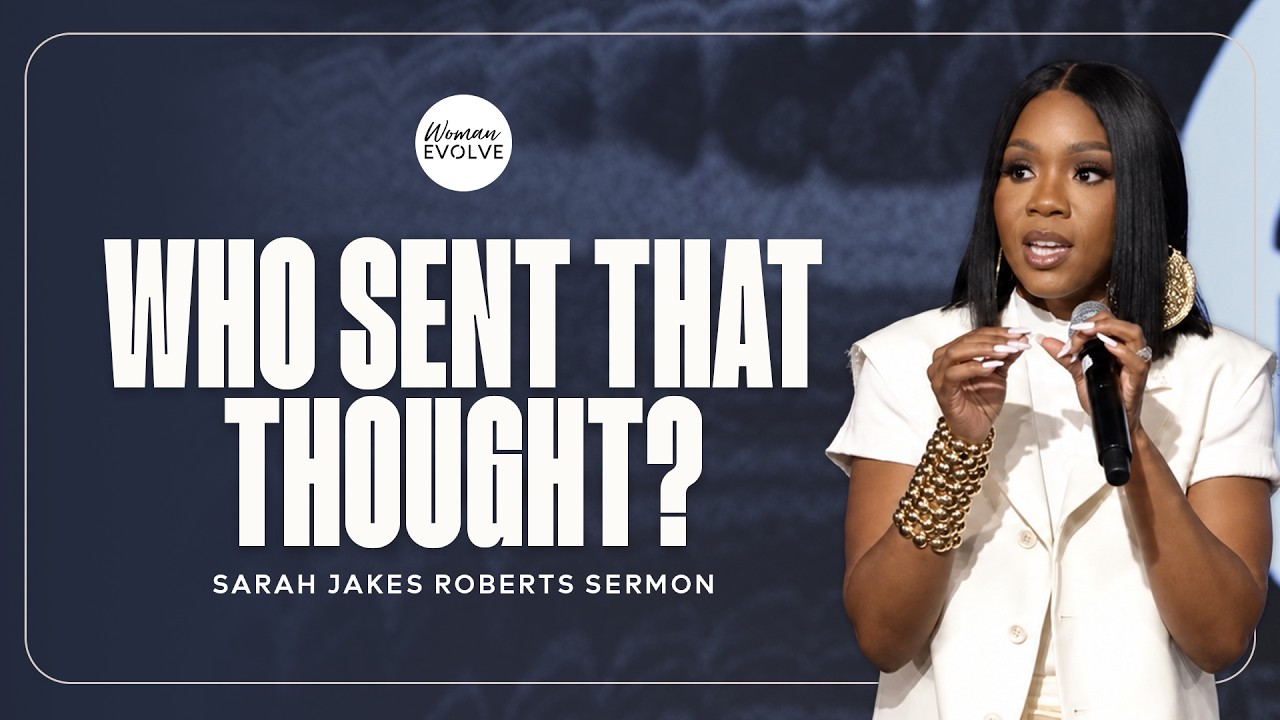
Video Summary
Roberts begins by defining “credible” as “able to be believed.” She explains that people often live with competing realities. One may be what they see on the news or what their circumstances say; another is what they believe God is doing. If they are not careful, one reality can crowd out the other. She compares it to counterfeits: a counterfeit only exists because an authentic version exists, and recognizing the real thing helps people question what they have been calling real.
She then applies this to identity, examines how the enemy distorted Eve’s thinking in Genesis 3, introduces a simple diagnostic question for evaluating thoughts and closes by urging listeners to believe what God says about them.
Key Takeaways
- Not every thought or perspective is credible enough to build a life on.
- Many people build their identity on shame or other people’s words rather than God’s truth.
- In Eden, the enemy’s question, “Has God indeed said?” changed Eve’s perception before it changed her behavior.
- The real battle is with the enemy, not just with individual temptations.
- A key question: “Who benefits from me believing this?”
- God convicts without condemning, and His voice always carries love and truth.
Building Your Identity With Credible Materials
Roberts observes that many people have built their identities on thoughts that are not credible: messages left by shame, words others have spoken over them or flawed ideas about love and communication. People often do not realize these foundations are faulty until God sends a word or an encounter that exposes them. If believers want to become who God has called them to be, she says, they cannot build with cheap or counterfeit materials. A firm foundation requires firm materials, and that foundation is God’s truth (Matthew 7:24–25).
It Started With a Question
Roberts revisits Genesis 3. People often focus on the fruit, but she points out that what first shifted things was the serpent’s question: “Has God indeed said?” That question changed Eve’s perception, and the changed perception led to changed behavior. Roberts relates this to experiences like betrayal or disappointment that cause people to doubt what they once believed was true. Many people, she says, are acting from roots that were planted by the enemy.
She also highlights Genesis 3:15, where God declares enmity between the serpent and the woman. Roberts takes this to mean that the solution is not merely avoiding every tempting “fruit,” but recognizing the real opponent. Believers are not only trying to stay away from unhealthy relationships or behaviors; they are standing against the enemy who cultivated a taste for those things in the first place.
Check the Source
Rather than endlessly wrestling with whether a thought is true, Roberts encourages believers to check where it came from. Her diagnostic question is simple: “Who benefits from me believing this?” If a thought says you are damaged goods, have no worth or will never be used by God, ask who gains from you believing it. She encourages listeners to make the question spiritual rather than only relational, considering whether God receives glory or whether the enemy is keeping them distracted.
She grounds this in 2 Corinthians 10:4–5, which says the weapons of our warfare are mighty in God for pulling down strongholds and bringing every thought into captivity to the obedience of Christ. “I may think anything,” she says, “but not everything I think can stay in my mind.” When a condemning thought arrives, believers can ask, “Who sent you?” God does not speak to His children carelessly; He speaks power and love, and He convicts without condemning (Romans 8:1).
Believe What God Says About You
Roberts acknowledges that it can be easier to believe the enemy’s accusations than God’s promises. She points to Abraham, who was counted righteous because he was fully convinced that God was able to do what He had promised (Romans 4:20–22). If believers trust God’s credibility about who they are, she says, it will change how they show up in the world.
She adds that the same God who made the oceans, sun and stars with intention breathed life into each person. He would not suddenly become random when He created you. The enemy wants to knock believers out of position, because one person out of position can affect a generation and a community. But when even a few step back into position, they can blaze a trail for others. For more from Roberts, see God Is Changing How You See Yourself and Now That You Know.
Frequently Asked Questions
How can I tell if a thought is from God or the enemy?
Sarah Jakes Roberts suggests asking, “Who benefits from me believing this?” and remembering that God’s voice convicts without condemning and always aligns with His love and truth.
What does Genesis 3 teach about the enemy’s tactics?
Roberts notes that the enemy began with a question, “Has God indeed said?”, which changed Eve’s perception before it changed her actions.
What does it mean to take every thought captive?
Based on 2 Corinthians 10:5, it means refusing to let every thought stay, and instead bringing thoughts under the authority of Christ and His truth.
Final Thoughts
“How to Know If a Thought Is From God or the Enemy” equips believers with a simple but powerful habit: check the source. Sarah Jakes Roberts reminds listeners that they do not have to accept every thought that enters their minds. By testing thoughts against God’s character and believing what He says about them, they can build their identity on a foundation that will not crumble.
