Living A Consecrated Life | Kathryn Kuhlman
Kathryn Kuhlman was known for packed auditoriums and large meetings, yet in this brief but searching message she reveals something surprising: living a consecrated life can be a lonely life. She explains how that loneliness is answered by a deeper fellowship with God, what it truly means to be led by the Holy Spirit, and why yielding to God’s will is the key to praying rightly when we do not know what to ask.
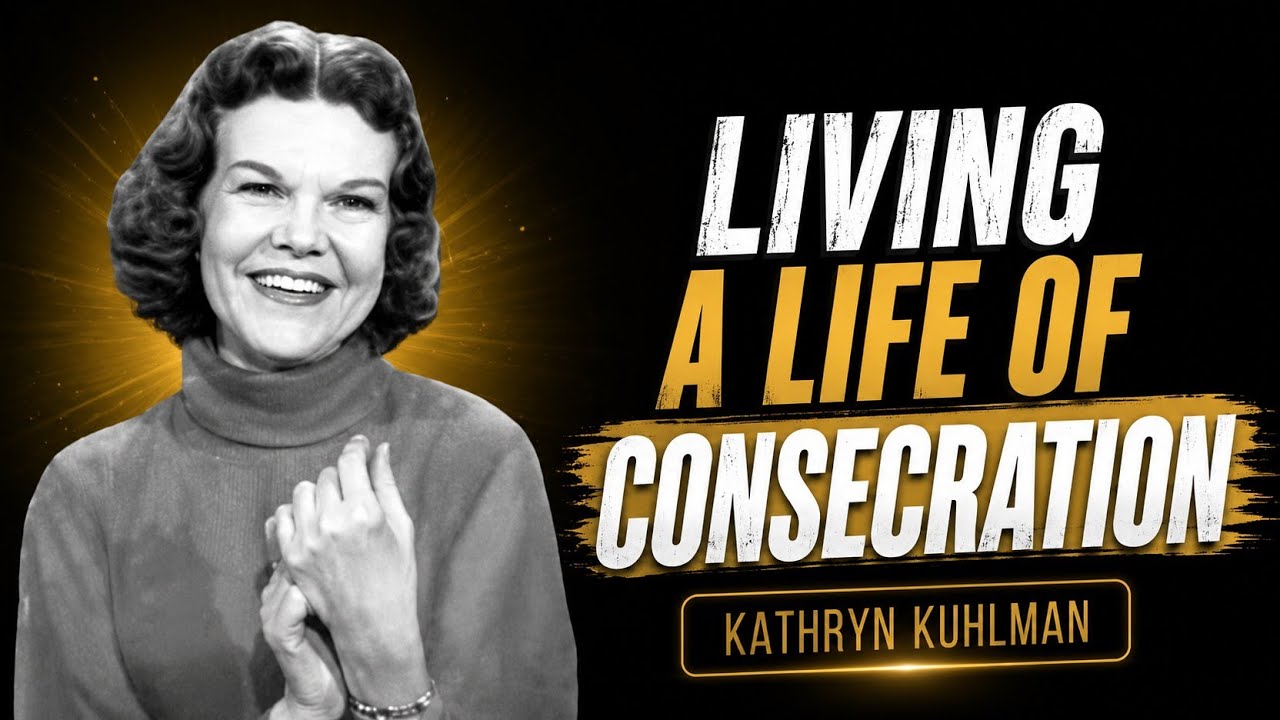
Video Summary
Kuhlman begins with an honest admission. Though thousands surrounded her constantly, her social life was limited because she was devoted to “the Master’s work.” Yet she testifies to a fellowship greater than any human friendship: a closeness and communion with God that she calls the most priceless thing in her life. From there she teaches on being led by the Spirit, warns against trying to “use” the Spirit, and explains how the Holy Spirit intercedes when believers are uncertain how to pray.
Key Takeaways
- A life wholly devoted to God can involve real loneliness, but also a deeper communion with Him.
- Being led by the Spirit means following, not leading.
- Kuhlman rejected the idea that her spiritual sensitivity was a psychic ability; she attributed it to the Holy Spirit.
- Trying to lead or use the Holy Spirit opens the door to fanaticism and fleshly displays.
- When believers do not know how to pray, the Spirit intercedes according to God’s will.
- The Spirit’s fellowship is greater than His gifts or manifestations.
The Loneliness of Consecration
Kuhlman anticipates the objection: how could someone surrounded by thousands feel lonely? She explains that consecration, being set apart for God’s purposes, often limits ordinary social life. But she does not present this as a complaint. Instead, she points to the fellowship that Paul spoke of, the “communion of the Holy Spirit” (2 Corinthians 13:14). That communion, she says, is what takes the loneliness out of her life.
Led by the Spirit Means You Follow
Quoting Romans 8:14, “as many as are led by the Spirit of God, these are sons of God,” Kuhlman observes that many people profess the power and fullness of the Spirit yet know little about actually being led by Him. Her definition is simple: when you are being led, you follow; you do not do the leading.
She addresses a question she was often asked: how could she sense during a large service that someone far away in a balcony had been healed? She firmly rejects any suggestion that this was extrasensory perception, saying she knew nothing about such things. Instead, she speaks of a Person and a power she follows, becoming so sensitive to the Spirit’s leading that she is barely aware of the crowds.
The Danger of Trying to Lead the Spirit
Kuhlman offers a strong warning. Many people, she says, try to lead the Spirit instead of being led by Him, and that is why they drift out of God’s will. It explains fanaticism, “unseemly” behavior and manifestations of the flesh that bring reproach on something beautiful. Her principle is clear: the Holy Spirit is not a power that people can use; He is a Person who uses a surrendered vessel. This echoes Paul’s instruction that everything in worship should be done decently and in order (1 Corinthians 14:40).
When You Don’t Know How to Pray
Kuhlman acknowledges that every believer, however spiritual, will face moments of not knowing God’s perfect will. She recounts a conversation with a woman in a shop whose mother had just been diagnosed with cancer. The woman did not know whether to pray for healing or for God to take her mother home. Others, Kuhlman says, stand at the edge of their own “Red Sea,” unsure what to ask.
Her counsel draws on Romans 8:26–27, which teaches that the Spirit helps our weakness and intercedes for believers according to God’s will. The key, she says, is surrender: yielding one’s own will so completely in a matter that “two wills become one will.” When a believer reaches that place and entrusts the matter to the Spirit’s wisdom, He prays with and through them, and they cannot miss God’s will. She notes that while listeners may not need this truth tomorrow, every person will eventually face such a moment.
More Than Gifts and Manifestations
Kuhlman closes by emphasizing that there is more to the Holy Spirit than displays of power, spiritual gifts or even physical healing. There is communion and fellowship with Him. She points to Jesus’ own trust in the Spirit: if Jesus, who knew Him perfectly, could trust Him, then she can trust Him to lead, guide, protect and overshadow her with His presence. For more of Kuhlman’s teaching, read Struggling to Pray? 7 Ways the Holy Spirit Prays Through You and When God’s Voice Feels Silent.
Frequently Asked Questions
Why did Kathryn Kuhlman say a consecrated life is lonely?
She explained that devoting herself fully to God’s work limited her social life, but that loneliness was answered by a deeper fellowship with the Holy Spirit.
What does it mean to be led by the Spirit, according to Kuhlman?
It means following the Holy Spirit rather than trying to lead or use Him, becoming sensitive and surrendered to His direction.
How should believers pray when they don’t know God’s will?
Kuhlman taught that by surrendering their own will completely, believers can trust the Holy Spirit to intercede for them according to God’s will, as Romans 8:26–27 describes.
Final Thoughts
“Living A Consecrated Life” is a short message with lasting depth. Kathryn Kuhlman reminds believers that true spiritual life is not about using God’s power but about walking in surrendered fellowship with Him. The cost of consecration may include loneliness, but the reward is a communion with the Holy Spirit that no crowd and no human friendship can replace.
