Did I Change My Mind? | The Kirk Cameron Show Ep 90
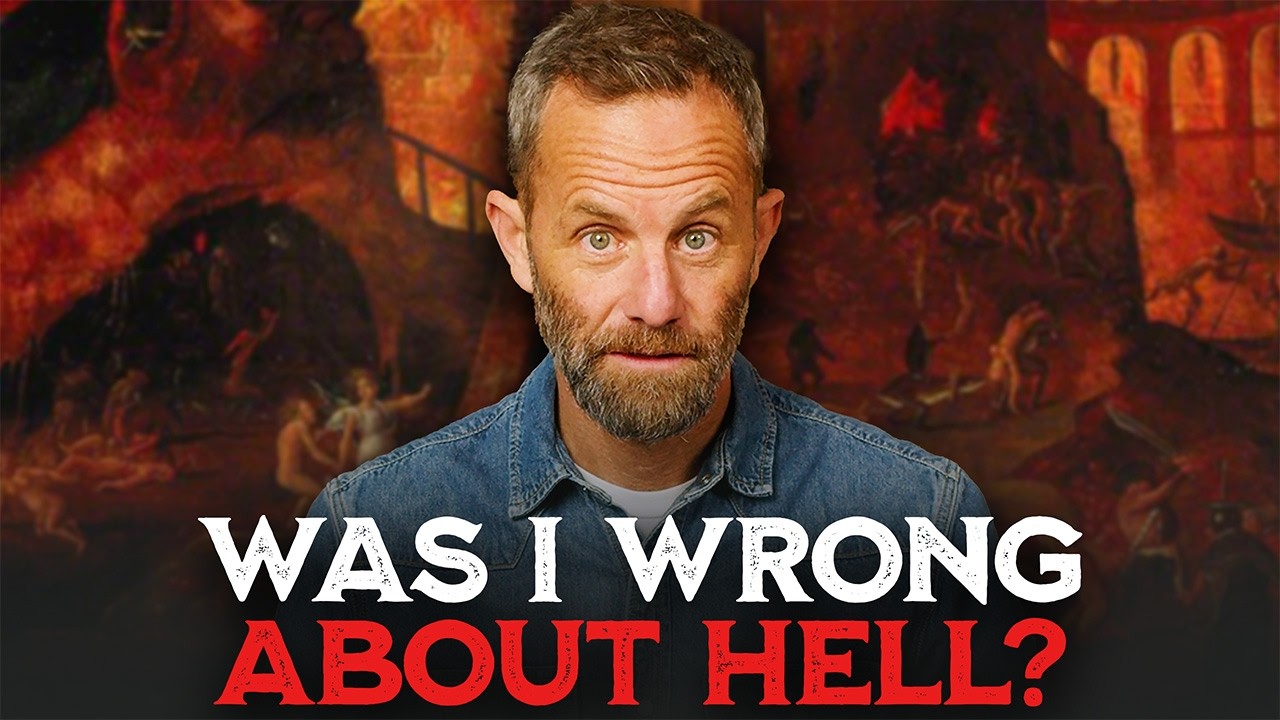
After a conversation with his son about the final fate of the unrepentant sparked heated reactions online, Kirk Cameron recorded this episode to clarify what he did and did not say. The central topic is conditionalism, also called annihilationism, a minority Christian view about how final judgment ends. Cameron insists he has not denied hell, judgment or the authority of Scripture, and he calls for humble, Bible-centered discussion of what he considers a secondary doctrinal question.
Video Summary
Cameron opens with the question that started it all, one he says his son asked him directly: when an unrepentant person dies, does Scripture teach that God preserves them forever in endless conscious torment, or does judgment, though real and severe, culminate in what the Bible calls “death,” “destruction” and “the second death”? He asks viewers to consider how they would answer if their own child asked.
He then describes the response to his earlier episode. Some reactions were thoughtful, including from friends and apologists who disagreed with him. Others were supportive, saying they had wondered about the same issue. But many were sharply critical, accusing him of denying hell and even the faith. Cameron attributes much of the backlash to short, out-of-context clips, noting that reaction videos had drawn far more views than the full conversation. What surprised and saddened him most, he says, was seeing that pattern among fellow believers and prominent church leaders.
Key Takeaways
- Cameron affirms that he believes in hell, judgment and the authority of Scripture.
- He sought counsel from his pastor, an elder, his wife, historians and apologists before discussing the topic publicly.
- Conditionalism, as he describes it, affirms real judgment and punishment but holds that the wicked ultimately perish.
- He respects many leaders who hold the traditional view of eternal conscious punishment.
- He considers the question secondary, noting it is not addressed in the historic creeds.
- He encourages believers to study Scripture humbly and not fear honest questions.
What Cameron Says Conditionalism Teaches
According to Cameron, many critics misunderstand conditionalism as teaching that sinners simply vanish at death. He says that is not the view he and his son discussed. As he explains it, conditionalism begins with the claim that human beings are mortal: after the fall, people are not naturally immortal, God alone possesses immortality, and eternal life is a gift granted to those redeemed through Christ. He cites John 3:16, emphasizing the contrast between perishing and having everlasting life.
Cameron stresses that, in his description, conditionalism still affirms that judgment is coming, that God is holy and just, that sin is serious and that real, conscious punishment will occur. The difference concerns the final outcome: after just punishment according to their deeds, the unrepentant are cast into the lake of fire, the second death (Revelation 20:14–15), and that death is final and irreversible. The point of disagreement, he says, is whether conscious punishment continues forever or eventually ends.
Honoring the Traditional View
Cameron is careful to express respect for those who hold the traditional view of eternal conscious punishment. He names figures he admires, including Augustine, the Westminster Confession, Charles Spurgeon, George Whitefield, John Wesley, R.C. Sproul and his own mentor, John MacArthur. He says his respect for them has deepened, not diminished.
At the same time, he argues that the questions he is raising are not new. He mentions early church figures and later scholars whom he believes emphasized conditional immortality or questioned natural immortality of the soul, as well as twentieth-century evangelical scholars who explored similar conclusions. These are Cameron’s historical claims, and scholars continue to debate how some of those early writers should be interpreted. His broader point is that careful Christians have wrestled with this issue for centuries.
Why Honest Questions Matter
Cameron speaks directly to pastors, calling them allies in the gospel rather than adversaries. He reminds viewers that the gospel is not merely about escaping punishment but about knowing the Father and Jesus Christ and receiving eternal life (John 17:3). He also points to decades of street evangelism, saying his conviction that eternity is at stake has only grown stronger.
He emphasizes that he has not issued final pronouncements. Instead, he has acknowledged uncertainty and invited prayerful study. His concern is that when certain questions cannot be asked without public shaming, tradition can quietly take precedence over Scripture. He announces plans for a roundtable discussion with respected Bible teachers who hold differing views, aiming to model disagreement with humility, courage and love rather than outrage.
Unity on the Essentials
To close, Cameron turns to the historic creeds. The Apostles’ Creed and the Nicene Creed, he notes, have united Christians for well over a millennium and a half, yet neither specifies the duration of final punishment. For that reason, he views this as a secondary issue on which believers can differ while holding firmly to the core truths of the faith. He recites the Apostles’ Creed and encourages viewers to keep asking questions, to learn from those who came before them and to let God’s Word, not fallible people, be their final authority. For more from Cameron, see The World Says Find Yourself. Jesus Says Lose Yourself. and You’re Being Watched Right Now. For a defense of the traditional view, readers may compare John MacArthur’s teaching on the subject.
Frequently Asked Questions
Does Kirk Cameron deny that hell exists?
No. In this episode he states clearly that he believes in hell, final judgment and the authority of Scripture.
What is conditionalism?
As Cameron describes it, conditionalism holds that immortality is God’s gift to the redeemed, and that the unrepentant, after just punishment, ultimately perish in the second death rather than suffering forever.
Why does Cameron call this a secondary issue?
He notes that the historic creeds, such as the Apostles’ Creed and the Nicene Creed, do not define the duration of final punishment, so he believes Christians can differ on it while agreeing on core doctrines.
Final Thoughts
“Did I Change My Mind?” is less a doctrinal argument than a plea for charitable, Scripture-centered conversation. Kirk Cameron explains his questions, honors those who disagree with him and urges the church to discuss difficult topics without caricature. Whatever conclusion readers reach on this debated subject, his encouragement to study the Bible carefully and hold essential truths firmly is one many believers can share.
