The Strength of Silence | Joel Osteen
In a culture where everyone is quick to share an opinion, Pastor Joel Osteen delivers a timely reminder about the strength of silence. According to Joel Osteen, silence is not weakness; it is strength under control. Drawing on David’s prayers in the Psalms, the teaching of James on the tongue, and Jesus’ response to rejection, he encourages believers to stop fighting every battle, guard their words when emotions run hot, and protect their peace so they can stay focused on their God-given assignment.
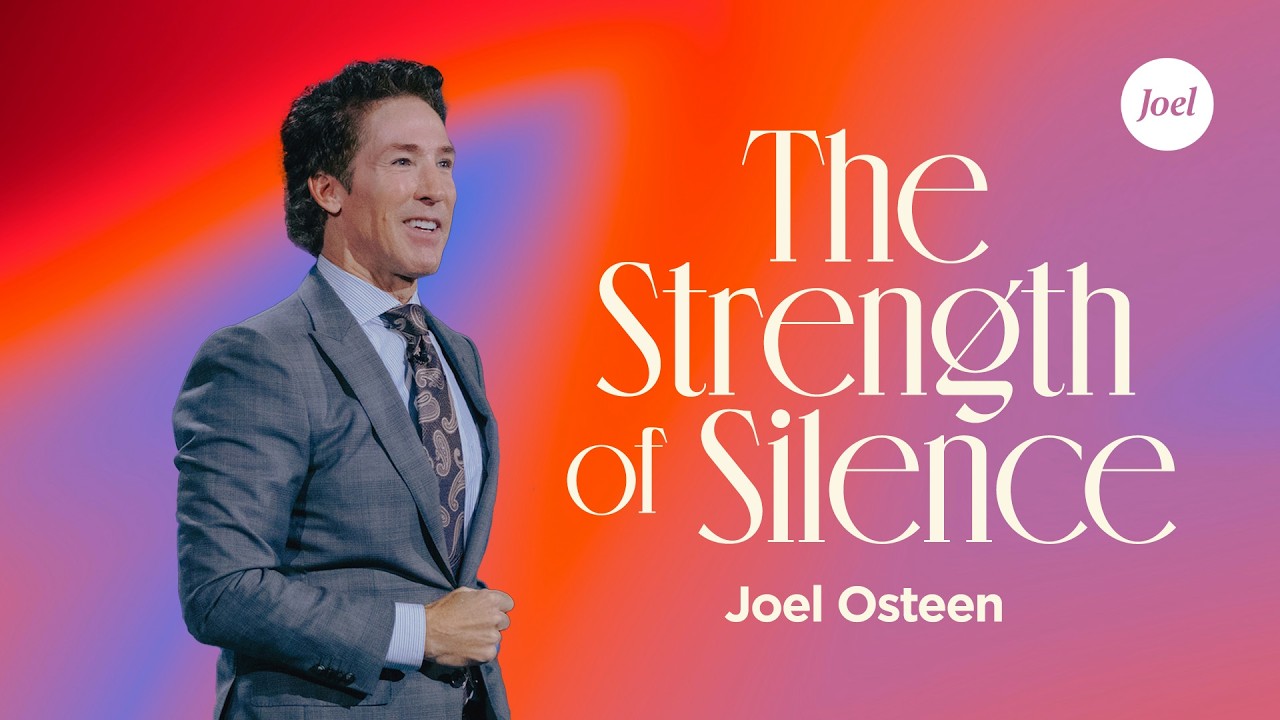
Video Summary
Osteen begins with a lighthearted story about a couple arguing over who should make the morning coffee, then leads the congregation in his familiar Bible declaration. He sets up the message by noting that people today are quick to respond, quick to correct, and quick to let others know what they think, whether the offense comes from a coworker, a family member, or a stranger online.
He challenges the idea that being right gives anyone permission to say everything they want. A person can say the right thing at the wrong time and cause it to blow up. Many relationships and marriages, he suggests, would be healthier if people learned that they do not have to defend, debate, or argue every point.
The core of the message comes from Psalm 39, where David, surrounded by people who slandered him, resolved to “put a muzzle on my mouth.” David admitted that his thoughts grew hot within him, but he knew that speaking in that moment would ignite a fire. Osteen draws out a principle: do not speak when your thoughts are hot. He pairs this with Psalm 141:3, where David asks God to set a guard over his mouth, and with James’ warning that a small spark can set a forest ablaze.
Osteen illustrates strength under control with a humorous story about a man who calmly walks away from a group of bikers trying to provoke him. Finally, he points to Jesus, who, when a Samaritan village refused Him, did not retaliate but simply went on to another village. Not every offense deserves a response, Osteen says; believers should keep moving toward their destiny.
Key Takeaways
- Silence is not weakness; it is strength under control.
- Being right does not mean every word needs to be spoken.
- Don’t speak when your thoughts are hot; emotions running high usually means wisdom is running low.
- Ask God, as David did, to set a guard over your mouth.
- Not everyone deserves a response; protect your peace.
- Like Jesus, ignore distractions and stay focused on your assignment.
Being Right Isn’t Permission to Say Everything
Osteen observes that many conflicts escalate not because someone is wrong, but because someone insists on proving they are right. Timing matters. A person may have the facts, but if the other person is not ready to hear them or emotions are tense, the conversation can explode.
According to Osteen, learning to hold back is a mark of maturity. Anyone can react and blow off steam; it takes a strong person to have something to say and choose not to say it. This kind of restraint can protect marriages, friendships, and workplaces from unnecessary damage.
Putting a Muzzle on Your Mouth
Osteen spends significant time in Psalm 39:1-3. David was facing lies and slander that threatened his reputation, yet his first concern was not what others were saying but what he would say. He resolved to keep his tongue from sin and to muzzle his mouth in the presence of the ungodly.
What Osteen appreciates about David is his honesty. David did not pretend to feel calm. He admitted that his heart was hot and his thoughts were burning. But he recognized that speaking in that state would ignite a fire. Osteen urges listeners to adopt the same principle: when anger rises and you want to pay someone back, that is precisely the moment to stay quiet.
Ask God to Guard Your Words
Osteen points to David’s prayer in Psalm 141:3: “Set a guard, O Lord, over my mouth; keep watch over the door of my lips.” When people feel themselves reaching a boiling point, they can ask God for help to hold their tongue. Osteen sums it up memorably: when emotions are high, wisdom is usually low.
He connects this to James 3:5-6, which compares the tongue to a small fire that can set a great forest ablaze. A few careless words spoken in anger can cause damage that takes years to repair.
Strength Under Control
To show that silence is not weakness, Osteen tells a humorous story of a man in a country diner who is provoked by a group of bikers. Instead of fighting, he calmly wipes his face and walks out. The bikers mock him, only to discover that he was not as weak as they thought. Osteen’s point is that people who know who they are do not need to engage in battles that do not matter. Confidence and security allow believers to walk away and protect their peace.
Don’t Fight a Battle That Isn’t Yours
Osteen closes with the account in Luke 9:51-56. Jesus had set His face toward Jerusalem, but a Samaritan village refused to receive Him. James and John wanted to call down fire from heaven, but Jesus rebuked them and simply went to another village. He did not waste energy trying to convince people who were determined to reject Him.
According to Osteen, the enemy loves distractions. A coworker’s false words or a critic’s insults can tempt believers to veer off course. But not everyone deserves an explanation. Your time and peace are valuable, he says, so keep moving toward your assignment.
For more encouragement from this pastor, readers can visit Give People Room to Change and Defeating Stubborn Enemies.
Frequently Asked Questions
What does Joel Osteen mean by “the strength of silence”?
He teaches that choosing not to respond to every offense or argument is a sign of strength under control, not weakness.
Which Bible passages does Osteen use in this message?
He draws mainly from Psalm 39:1-3, Psalm 141:3, James 3, and Luke 9:51-56, where Jesus moves on after being rejected by a Samaritan village.
When should a person stay silent?
According to Osteen, especially when thoughts are “hot,” when emotions are high, and when responding would only be a distraction from one’s assignment.
Final Thoughts
“The Strength of Silence” offers practical wisdom for everyday conflicts. Joel Osteen encourages believers to guard their words, refuse unnecessary battles, and follow Jesus’ example of staying focused on purpose. According to Osteen, those who learn to control their tongue protect their peace and move forward into their destiny.
