God Sets The Destination, Not You | Steven Furtick
Many believers struggle to hear God’s direction, especially when they are comparing their lives to others. In this Elevation Church message, Pastor Steven Furtick teaches from 1 Samuel 16 that God sets the destination, determines the timing and orders the steps. In God Sets The Destination, Not You, Furtick explains why obedience often comes before clarity, why feelings are not required for faithfulness, and why some of what believers call “silence” from God is really a call to do what He has already said.
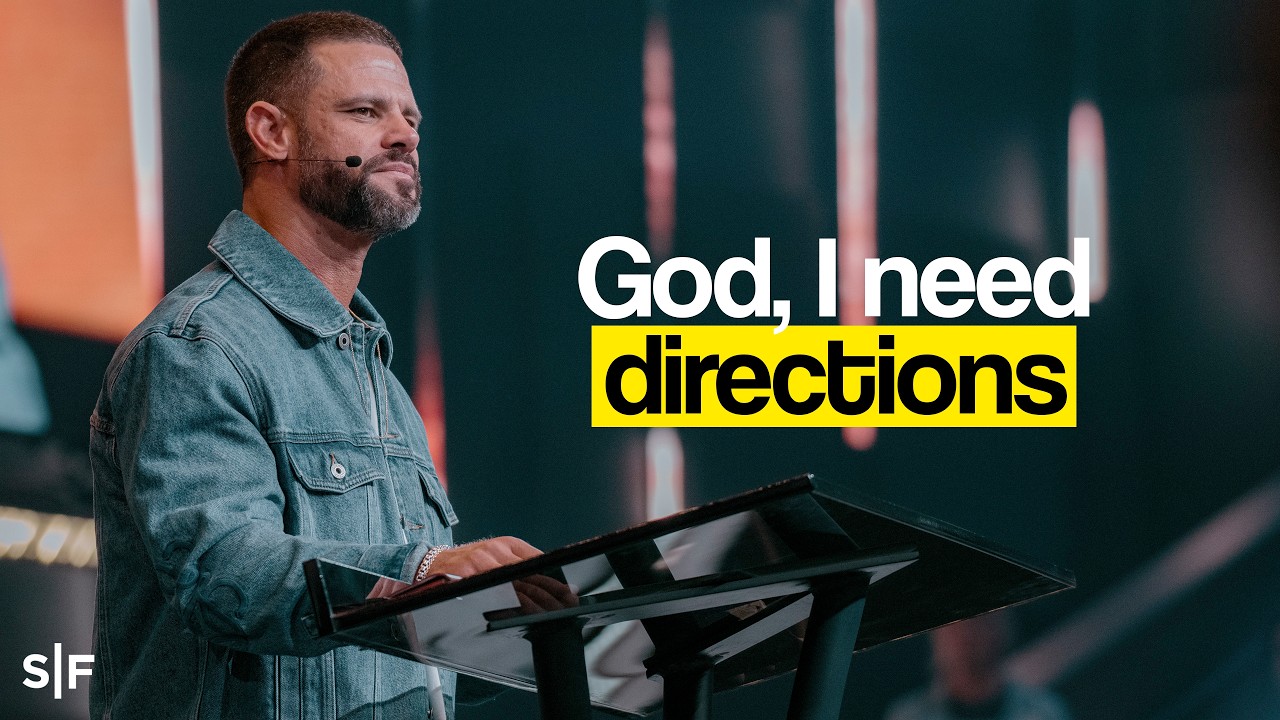
Video Summary
Furtick begins with God’s question to Samuel in 1 Samuel 16:1: “How long will you mourn for Saul, seeing I have rejected him?” followed by an instruction: “Fill your horn with oil, and go.” He emphasizes that Samuel did not have to feel it to fill it. Believers often wait for emotions before worshiping, serving or keeping commitments, but Furtick says feelings tend to follow obedience rather than precede it.
He notes that God’s directions to Samuel were incomplete. God told him to go to Jesse of Bethlehem because He had chosen one of Jesse’s sons as king, but He did not say which one. The challenge of faith, Furtick says, is to fill the horn and move before you have found what you are looking for. He compares God to a navigation app with one key difference: with God, believers do not choose the destination.
Furtick warns against comparing timelines with others and using Christian clichés that inflate everyday problems into Red Sea moments. He closes by leading the congregation in excitement about seeing God do things “like something out of the Bible,” then shifts the energy to practical commands that are already “in the Bible,” such as not slandering others, fleeing sexual immorality and honoring parents.
Key Takeaways
- You do not have to feel it to fill it; obedience often comes before emotion.
- God may give partial instructions, expecting you to move before you see the full picture.
- “You’ll find it when you fill it”: preparation comes before the promise.
- God sets the destination and the timing; comparing timelines creates frustration.
- Not every decision requires a special word from God; many call for wisdom.
- Sometimes God seems quiet because we are not doing what He already said.
You Don’t Have to Feel It to Fill It
Reading 1 Samuel 16:1, Furtick highlights that God told Samuel to fill his horn with oil while Samuel was still grieving Saul. Samuel was not given time to feel ready; he was given an instruction. Furtick applies this to worship, prayer and calling. He says that when he does not feel like preaching, he studies anyway, and the more he studies, the more he feels it. If he waited for feelings, he would never begin.
For those battling sorrow, he suggests filling their homes with worship music and thanksgiving even when they do not feel like it. Faithful action can lead the heart back to hope.
Fill It Before You Find It
Furtick notices that God told Samuel He had chosen one of Jesse’s sons but did not name him. Samuel had to fill the horn and travel before discovering David. Many people, Furtick says, wait for God to show them the next step without doing the last thing He said. “You think, I’ll fill it when I find it. No, you’ll find it when you fill it.”
He gives practical examples. Someone hoping for marriage should become the kind of person their future spouse would want to marry, including addressing debts and habits now, so that a spouse does not inherit years of poor decisions. Preparation is part of faith.
God Is Not a Maps App
Furtick jokes that the maps app is the greatest invention of his lifetime because he has no sense of direction. With an app, users choose both the destination and the route. With God, however, believers do not set the destination. He sets the purpose, the direction and the timing. Furtick quotes the principle that “the steps of a good man are ordered by the Lord” (Psalm 37:23).
He cautions that comparing others’ timelines, such as when they married, got promoted or landed a job, can make God seem silent. God will not give directions to a destination He did not choose. Furtick asks how long people will mourn what God did not give them, echoing God’s question to Samuel.
Christianese, Wisdom and What Is Already in the Bible
With humor, Furtick examines church clichés. A rent increase, he says, is not a Red Sea: one means moving, the other means dying. Not every choice requires a prophetic word. Some decisions, like which apartment to rent, call for wisdom. Samuel’s role was weighty because the nation’s history depended on him hearing God, but many everyday decisions do not carry such stakes.
After leading the youth in a song about revival “like something out of the Bible,” Furtick points to what is plainly in the Bible: do not slander one another, flee sexual immorality, honor your father and mother. He suggests that sometimes God is not silent; believers simply are not practicing what He has already spoken. He ends with the hope of transformation through the renewing of the mind. For more from Furtick, see Trust That God’s Working It Out and Let Go To Receive Healing.
Frequently Asked Questions
What does Steven Furtick mean by “you don’t have to feel it to fill it”?
He means believers should obey God’s instructions even when they do not feel inspired, because feelings often follow obedience.
Why does Furtick say God is not like a maps app?
With a navigation app, users choose the destination. With God, He sets the destination and timing, while believers follow His leading step by step.
Why might God seem silent?
Furtick suggests that comparison, waiting for feelings, or neglecting clear biblical commands can make it hard to hear God’s next instruction.
Final Thoughts
God Sets The Destination, Not You is a practical message about trusting God’s direction without needing every detail. Steven Furtick encourages believers to fill their horn with oil, move in obedience, stop comparing their path with others, and practice what is already written in Scripture. In doing so, they position themselves to find what God has prepared at the right time.
