CFAN School of Evangelism 2026 (Part 1 of 5)- Todd White
In the opening session of the CFAN School of Evangelism 2026, evangelist Todd White shares one of the most candid versions of his testimony, describing the difference between “incorporating” Jesus into life and fully surrendering to Him. According to Todd White, many people attend church, sing the songs, and know the language of faith, yet never experience the inner transformation that comes from believing they have been made righteous in Christ.
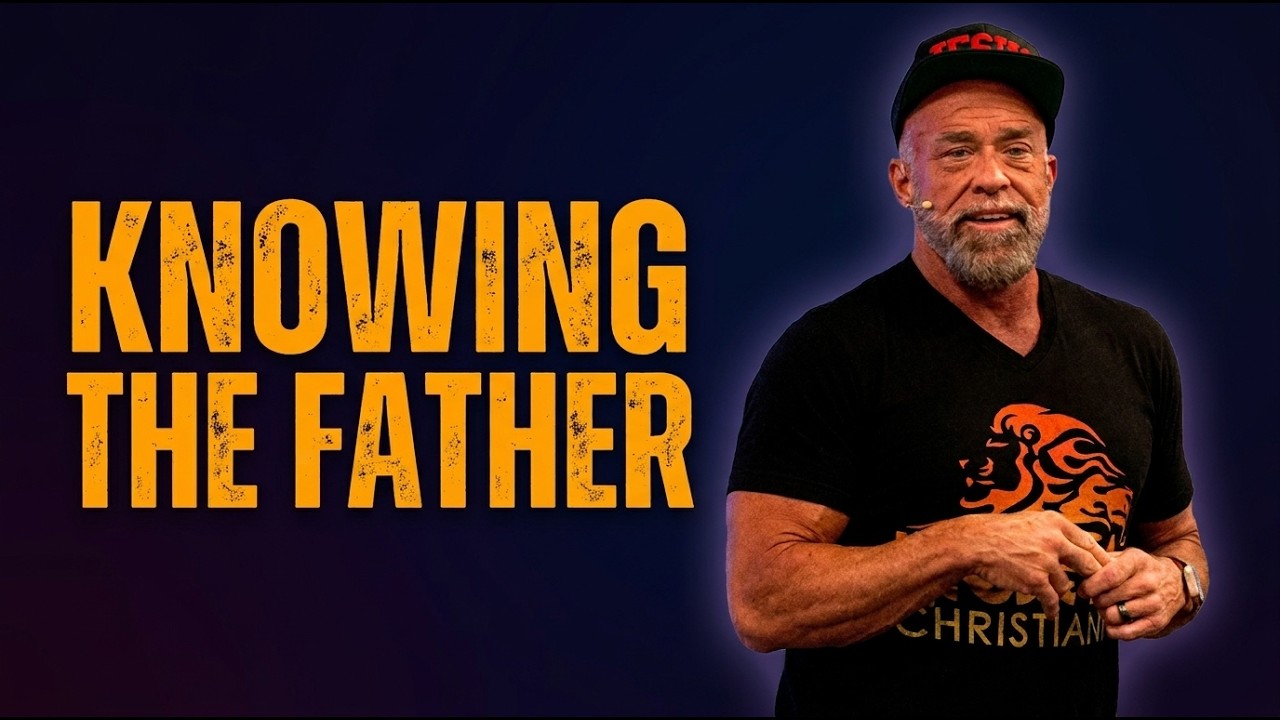
Video Summary
White starts by explaining why he tells his story so often. A testimony, he says, is a declaration that God can “do it again.” He then describes his life before surrender: addiction, a broken relationship with the mother of his young daughter, and a near-death experience when he was shot at. After that close call he began attending church, but for five and a half months he lived what he calls a hypocritical life. As a former rock band frontman, he could sing worship songs with ease, yet he was using drugs throughout the week and even asking church members for money that went to his addiction.
A mentor named Dan never gave up on him. White recounts a painful night when his girlfriend and daughter followed him during a binge, and his daughter told him that he promised every night to change and then broke his word. Shortly afterward, he entered Teen Challenge and began to understand what surrender truly meant.
White also explores the roots of his anger. Born in 1969 to a father who had just returned from Vietnam, he grew up with deep unforgiveness. He explains that his parents could only love him with human love, which was never enough to fill the void that only God’s love can fill. With humor, he describes his own conception as a picture of predestination, insisting that every person was chosen by God before the foundation of the world, regardless of the circumstances of their birth.
The teaching then turns to identity. Loving God with all one’s heart enables a person to love themselves rightly and to love their neighbor. Jesus did not die to change people on the outside, White says, but to give them a new heart. Understanding righteousness as a gift, not merely as justice, frees believers to “be in order to do” instead of “doing in order to be.” He closes with a sobering story about visiting a friend in a coma and realizing he had never shown that friend Jesus during his months of hypocrisy.
Key Takeaways
- A testimony is an invitation for God to do the same work again in others.
- Incorporating Jesus for personal gain is different from fully surrendering to Him.
- Human love, however sincere, cannot replace the love of God.
- Every person was chosen by God before the foundation of the world.
- Righteousness is a gift that changes identity, allowing believers to “be” before they “do.”
- The way believers live shapes whether others believe Jesus is real.
Incorporation Versus Surrender
The central theme of the session is the difference between adding Jesus to an existing life and giving that life entirely to Him. White admits that his first motivation for coming to God was to get his girlfriend back. He was using faith as a tool to fix circumstances rather than submitting his heart.
He describes singing lines like “I surrender all” while living the opposite. Church members could see the inconsistency and told him so, but he insisted they did not know him. According to White, this is the trap many people fall into: they believe church attendance and familiarity with Christian culture are the same as transformation. Without surrender, he says, the mind is never renewed, and old patterns continue to destroy relationships.
Chosen Before the Foundation of the World
In a memorable and lighthearted illustration, White describes his own beginning as a picture of God’s choosing. Although his parents were not planning a child, he insists that God was. Drawing on Ephesians 1:4, he reminds listeners that believers were chosen in Christ before the foundation of the world. If God chose a person before the world existed, then the world has no right to remove that identity.
He contrasts this with the anger and unforgiveness he carried toward his father. His father tried to love him, but without God, that love was limited. White encourages people with painful family histories to recognize that no parent’s love can fully satisfy the soul, and that God’s love is the source that heals.
A New Heart and the Gift of Righteousness
White emphasizes that Jesus paid a price to change people’s insides. He points to God’s promise to remove a heart of stone and give a heart of flesh (Ezekiel 36:26). That internal change, he explains, comes through believing in righteousness as a gift.
Quoting 2 Corinthians 5:21, he notes that Jesus, who knew no sin, became sin so that believers might become the righteousness of God. If people never see what they have become in Christ, they will constantly strive to earn it. White’s phrase is simple: “I am not a do. I am a be.” Identity comes first, and good works flow from it.
He connects this to the greatest commandment. Loving God with all the heart, soul, mind, and strength enables a person to see themselves as God sees them, and that, in turn, makes it possible to love one’s neighbor.
Is the Life You Live Worth the Price He Paid?
The session ends with a sobering memory. Shortly after his wedding, White felt led to visit a friend named Bobby, who was in a coma and about to be taken off life support. When Bobby’s wife asked why he was apologizing, White explained that he had never represented Jesus well to her husband. Her response, questioning whether Jesus was real at all, hit him hard.
White uses this moment to challenge listeners: the people around believers are watching to see whether Jesus is real. Outside of full surrender, he says, Christianity can look fake to the world. He asks whether the life his audience is living is worth the price Jesus paid, and whether they are still living in compromise.
For more from this evangelist, readers can visit Sharing Jesus during Hard Times and Living as Soldiers in God’s Army.
Frequently Asked Questions
What is the CFAN School of Evangelism?
It is a training event hosted by Christ for all Nations focused on equipping believers to share the gospel. Todd White taught the opening session of the 2026 series.
What does Todd White mean by “incorporating” Jesus?
He describes adding Jesus to one’s life to get something, such as fixing a relationship, without surrendering control. He contrasts this with full surrender, which leads to real transformation.
What does “be to do instead of do to be” mean?
It means believers act from an identity already given to them in Christ rather than working to earn acceptance. Righteousness is received as a gift, and actions flow from it.
Final Thoughts
This first session of the CFAN School of Evangelism is raw and personal. Todd White’s honesty about his months of hypocrisy makes his call to surrender especially compelling. According to White, the most effective evangelism begins with a transformed heart, a secure identity, and a life that convinces others that Jesus is real.
