Dr. David Jeremiah: What Happens Immediately After You Die? | Luke 16 Expository Teaching
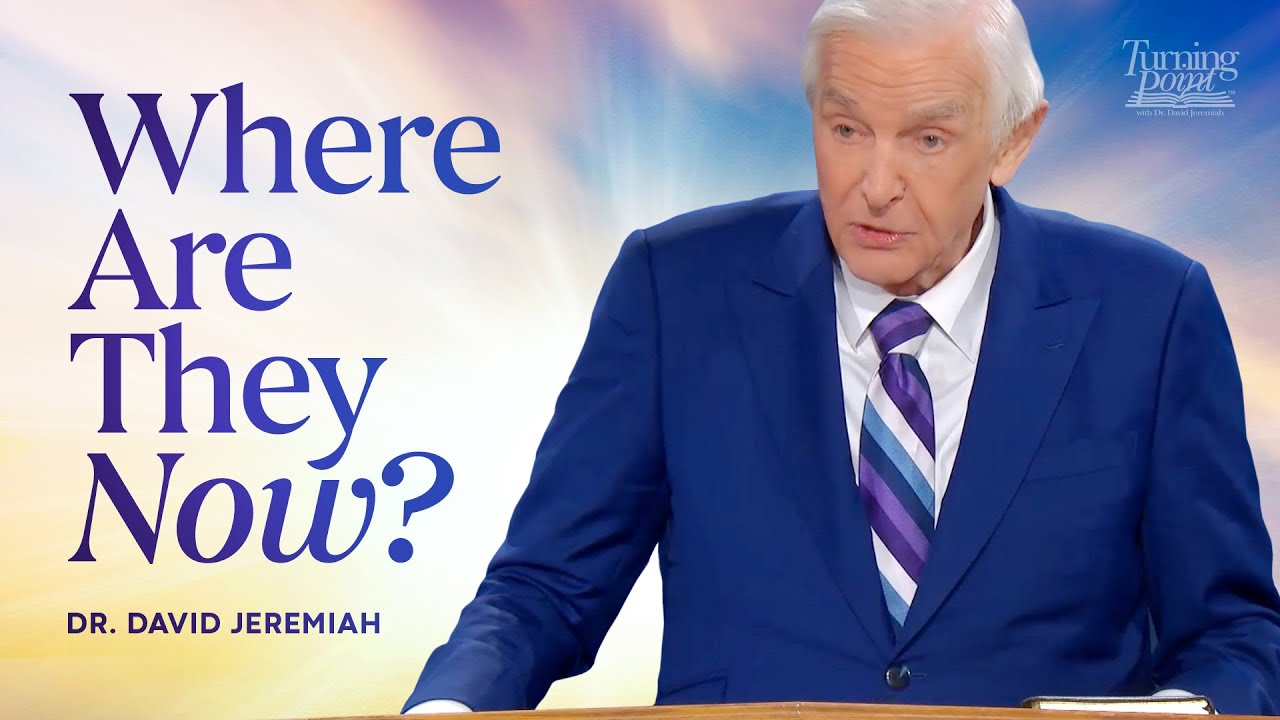
“Where are they now?” Many people ask this question after losing a loved one. In this Turning Point message, Dr. David Jeremiah turns to Jesus’ account of the rich man and Lazarus in Luke 16 to explain what happens immediately after you die. Through two people, two places and two principles, Jeremiah outlines what Scripture teaches about the intermediate state, the change that came through Christ’s resurrection, and why the decisions made in this life are eternal.
Video Summary
Jeremiah begins with Paul’s words in 1 Thessalonians 4:13: “I do not want you to be ignorant, brethren, concerning those who have fallen asleep, lest you sorrow as others who have no hope.” He explains that in the New Testament, “sleep” is used of believers’ death, emphasizing that their bodies will one day be raised. But what happens to the soul and spirit? Human speculation cannot answer, he says; only God’s Word can.
He then teaches from Luke 16:19-31. In life, the rich man dressed in purple and feasted daily, while Lazarus lay at his gate, covered in sores and longing for crumbs. In death, Lazarus was carried by angels to Abraham’s side, while the rich man found himself in torment in Hades. Jeremiah explains that before Christ’s resurrection, the place of the dead had two divisions: paradise, also called Abraham’s bosom, for the righteous, and Hades for the unrighteous, separated by a great gulf.
He describes Hades as a place of consciousness, memory and mourning, and explains that at the great white throne judgment it will give up its dead before the final judgment described in Revelation 20. For believers, he teaches that Christ’s victory changed the situation, so that today those who die in Christ go directly into the Lord’s presence. He closes by emphasizing that there are no second chances after death.
Key Takeaways
- Only Scripture, not speculation, can tell us what happens after death.
- Jesus’ account in Luke 16 contrasts two men in life, in death and in eternity.
- According to Jeremiah, the Old Testament dead went to paradise or Hades, separated by a great gulf.
- Hades is described as a place of conscious awareness, memory and longing.
- The problem for unbelievers is not a lack of evidence but hardness of heart.
- Decisions about eternity are made in this life; there are no second chances after death.
Two Men Contrasted
Jeremiah highlights the stark contrast between the two men. The rich man had everything this world could offer, while Lazarus had nothing but sores and hunger, with dogs licking his wounds. Yet in death, their situations were reversed. The beggar was comforted, and the rich man was in torment. Jeremiah stresses that the rich man was not condemned for being wealthy, nor was Lazarus saved for being poor; the issue was their relationship with God.
Hades: Conscious, Remembering and Mourning
Jeremiah explains that the rich man was fully conscious, able to see, feel and speak. Abraham told him, “Son, remember,” indicating that memory continues after death. Jeremiah believes the lost will remember every opportunity they had to respond to the gospel. The rich man also mourned, begging Abraham to send Lazarus to warn his five brothers.
Abraham’s reply is sobering: “If they do not hear Moses and the prophets, neither will they be persuaded though one rise from the dead.” Jeremiah says the problem is not lack of evidence but hardness of heart. Miracles may capture attention, but only faith in God’s Word brings salvation.
What Changed Through Christ
Jeremiah teaches that before the resurrection, believers who died went to paradise, a place of comfort but not yet heaven. He explains his view that between the crucifixion and resurrection, Christ’s spirit went into the unseen realm to proclaim His victory, and that when He ascended, He brought the righteous dead into God’s presence. Today, according to Jeremiah, believers who die go immediately to be with the Lord, as Paul wrote: “to be absent from the body” is “to be present with the Lord” (2 Corinthians 5:8).
For the unsaved, he points to Revelation 20:13-14, where death and Hades give up the dead for judgment before the great white throne.
No Second Chances
The great gulf in Luke 16 could not be crossed. Jeremiah draws a firm conclusion: the decisions made in this life determine one’s eternal destiny. He rejects ideas of reincarnation, purgatory or post-death second chances, noting that no passage in Scripture describes a person’s destiny changing after death. He lovingly urges listeners not to delay their decision, reminding them that “today is the day of salvation.” For more from Jeremiah, see When the Holy Spirit Controls Your Life and Jerusalem in Bible Prophecy.
Frequently Asked Questions
What happens to a believer immediately after death according to David Jeremiah?
He teaches that believers today go directly into the presence of the Lord, based on passages like 2 Corinthians 5:8.
What was Abraham’s bosom?
Jeremiah describes it as paradise, a place of comfort for the righteous dead before Christ’s resurrection, separated from Hades by a great gulf.
Can a person’s destiny change after death?
According to Jeremiah, no. He teaches that the gulf in Luke 16 shows that eternal destinies are fixed at death.
Final Thoughts
What Happens Immediately After You Die? is a sobering and hope-filled study of Luke 16. Dr. David Jeremiah reminds believers that death is not the end, and that those in Christ have a secure future in His presence. At the same time, he urges everyone to respond to God’s Word now, because the choices made in this life shape eternity.
