Lysa TerKeurst: When Healing Feels Slow and God Seems Silent | Therapy & Theology Q&A
What do you do when you have prayed, done the work of healing and still feel stuck? In this special Q&A episode of Therapy & Theology, Lysa TerKeurst, counselor Jim Cress and theologian Dr. Joel Muddamalle answer listener questions on anxiety, relationships, marriage and spiritual life. When Healing Feels Slow and God Seems Silent offers compassionate, biblically grounded guidance that brings together faith, wisdom and wise professional care.
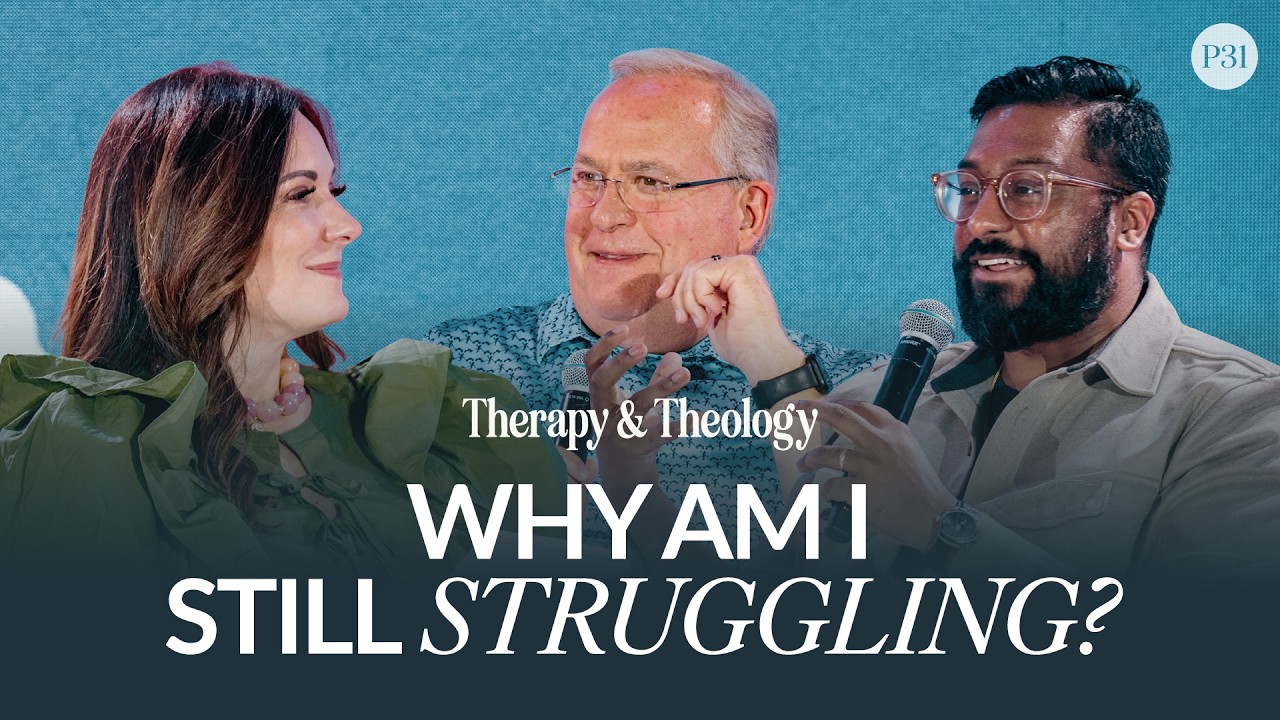
Video Summary
Host Shae Hill joins the panel to ask several questions submitted by Proverbs 31 Ministries supporters. The topics range from mental health and boundaries to marriage and the believer’s relationship with God.
The first question comes from someone who believed for years that loving God more would cure their anxiety and depression, yet still feels anxious even after therapy. TerKeurst responds with deep compassion, sharing that she also has struggled with anxiety since her divorce and works on it daily. She recommends further reading on faith and mental health and affirms that seeking help is not a lack of faith. The panel later emphasizes a holistic approach to healing that recognizes physical, emotional and spiritual dimensions.
Other questions address what to do when a loved one’s destructive choices keep you stuck, how to understand the difference between biblical submission and subordination in marriage, and how to discern spiritual attacks. Dr. Muddamalle offers insights from the Greek text of Ephesians 5, and the panel discusses how habits like endless scrolling can affect the mind.
Key Takeaways
- Struggling with anxiety or depression is not simply a sign of weak faith.
- Healing often requires a holistic approach: spiritual, emotional and physical.
- When someone else’s choices keep you stuck, pursue your own healing.
- Prayer goes hand in hand with wisdom, boundaries and safety.
- Biblical submission in marriage flows from mutual submission to Christ.
- Being sober-minded includes guarding the mind from harmful habits.
Faith and Mental Health
TerKeurst begins her answer to the anxiety question by expressing sorrow for the listener’s pain. She explains that what they describe sounds deeper than ordinary nerves, and she shares her own ongoing journey with anxiety. The panel encourages the listener not to view their struggle as a failure to love God enough.
Later, Dr. Muddamalle notes that the Bible does not divide life into neat categories of physical, emotional and spiritual. Instead, it affirms all of them. He commends a holistic approach that discerns when medical help is needed for chemical imbalances, when counseling is needed for emotional wounds, and when spiritual practices are needed. Anyone experiencing persistent anxiety or depression is encouraged to seek support from qualified professionals alongside their faith community.
Getting Unstuck When Others Won’t Change
When asked about being stuck because of a loved one’s harmful patterns, the panel urges listeners to stop keeping secrets, seek support groups or a Christian therapist trained in trauma and addictions, and move forward in their own healing. TerKeurst observes that “stuck is a trauma word,” and that waiting for someone else to change can place all your hope in choices they may never make.
Dr. Muddamalle clarifies that prayer does not mean inviting more harm. Scripture shows that sin carries consequences, and believers are called to be wise, set boundaries and stay safe. He quotes Romans 12:18: “If it is possible, as much as depends on you, live peaceably with all men,” noting that Paul anticipated it might not always be possible.
Submission Versus Subordination
One listener asks about the difference between submission and subordination in marriage. Dr. Muddamalle explains that in Ephesians 5:21-22, the word for submission carries the idea of willingly yielding. He notes that in the Greek text of verse 22 the verb is carried over from verse 21, which calls all believers to submit to one another out of reverence for Christ. Biblical submission is rooted in two people first yielding to Jesus, which is very different from a hierarchy that disregards a person’s dignity as an image-bearer of God. Cress adds that this flows from being filled with the Spirit (verse 18).
Sober-Minded in a Distracted World
Addressing spiritual warfare, the panel notes that Jesus responded to temptation by quoting Scripture, and believers can do the same. Dr. Muddamalle reflects on 1 Peter 5:8, which calls believers to be sober-minded. He suggests that, alongside obvious addictions, constant scrolling and digital overload can cloud the mind and become tactics of the enemy. For more from TerKeurst, see When the Person Who Hurt You Wasn’t Held Accountable and The Steps to Repairing Trust.
Frequently Asked Questions
Can anxiety be cured just by loving God more?
The panel gently explains that anxiety and depression can have physical and emotional components, and they encourage a holistic approach that includes faith, counseling and medical care when needed.
What does Ephesians 5 mean by submission?
According to Dr. Joel Muddamalle, it describes a willing yielding rooted in mutual submission to Christ, not a hierarchy that devalues a person.
What should I do if someone else’s choices keep me stuck?
The panel recommends pursuing your own healing through support groups, a qualified Christian counselor, prayer, Scripture and healthy boundaries.
Final Thoughts
When Healing Feels Slow and God Seems Silent offers hope for people who feel weary in the middle of their healing journey. Lysa TerKeurst, Jim Cress and Dr. Joel Muddamalle remind listeners that God is present even when progress feels slow, and that wisdom, community and professional care are part of how He brings restoration.