Craig Groeschel: Cognitive Neuroscientist: The Formula to Rewire Your Mind | Dr. Caroline Leaf
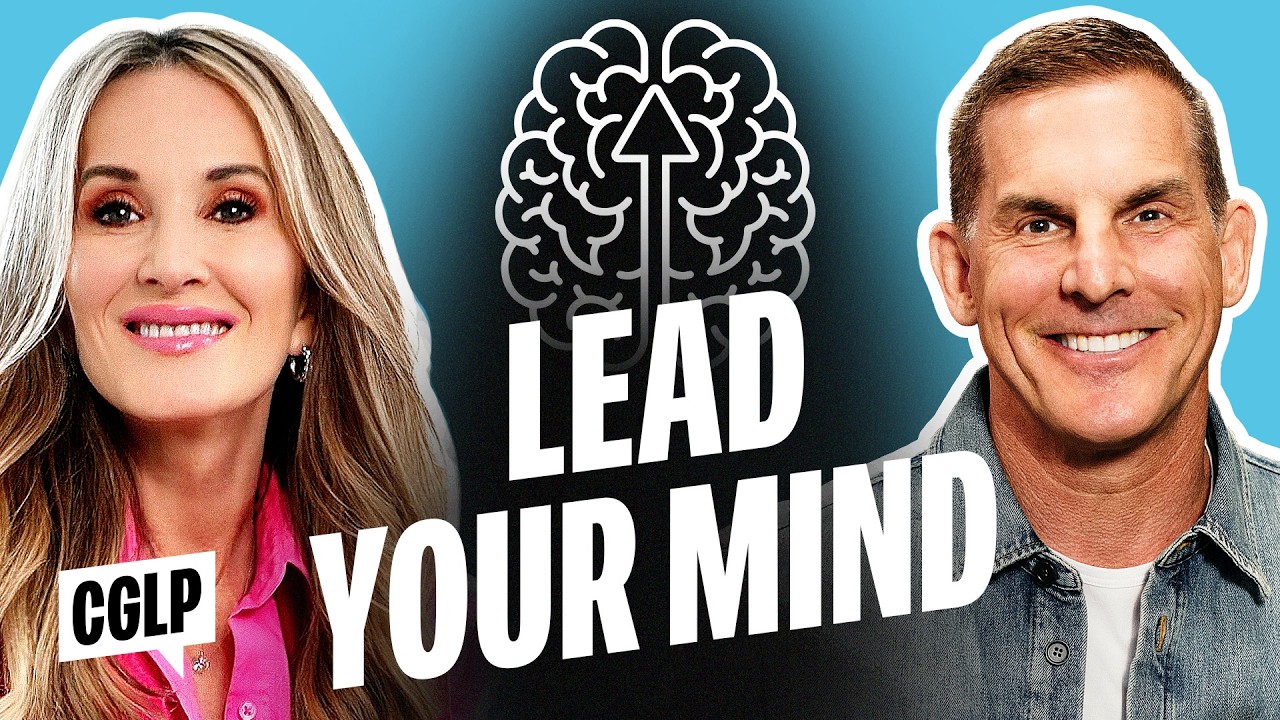
On this episode of the Craig Groeschel Leadership Podcast, Craig Groeschel interviews cognitive neuroscientist Dr. Caroline Leaf about how leaders can manage pressure, anxiety and intrusive thoughts. Their conversation, built around the idea of the formula to rewire your mind, introduces Dr. Leaf’s “neurocycle” process and explains why lasting change in thought patterns takes intentional, consistent work over time.
Video Summary
Groeschel opens by expressing admiration for Dr. Leaf’s decades of research on neuroplasticity and her faith-informed approach to mental health. He highlights her book Help in a Hurry, which offers quick tools for moments when people feel overwhelmed, anxious or stressed, situations many leaders face daily.
Dr. Leaf explains that today’s “hurry culture” and “productivity culture” place unusual demands on leaders. Information overload and constant pressure mean people need practical strategies for handling stress in the moment, such as during a tense meeting. She distinguishes between those in-the-moment techniques and the deeper work required to change long-standing patterns.
The heart of the interview focuses on intrusive thoughts. Rather than treating them as enemies to suppress, Dr. Leaf describes them as signals that reveal underlying patterns. Once a pattern is identified, she says, her research suggests that it takes at least 63 days of consistent work through the neurocycle to rewire it. Groeschel connects her ideas to leadership development and raises concerns about modern habits, such as endless scrolling and constant negative news, that may make leaders less resilient.
Key Takeaways
- Leaders today face a unique level of pressure from hurry, productivity demands and information overload.
- In-the-moment calming tools are helpful but different from deep, lasting change.
- Intrusive thoughts can act like warning lights, pointing to patterns that need attention.
- Dr. Leaf’s neurocycle moves from observing to reconceptualizing and taking action.
- According to Dr. Leaf, rewiring a pattern takes at least 63 days of consistent effort.
- Leading your own mind is foundational to leading others well.
Why Leaders Feel So Overwhelmed
Asked what has changed for leaders in the past decade, Dr. Leaf points to a culture that prizes speed and output. People are always on the go, flooded with information and expected to perform at a high level without pause. Many leaders tell her they feel crushed by pressure and do not know what to do in the middle of a stressful moment.
Groeschel adds his own observations. He wonders whether people are less resilient today, noting that some enjoy more time off yet seem less healthy, and that habits like nonstop social media and constant news consumption may be counterproductive. He asks whether there are external factors leaders can recognize and manage, and Dr. Leaf affirms that the inputs people allow into their minds matter greatly.
Intrusive Thoughts as Signals
One of the most surprising ideas in the conversation is Dr. Leaf’s view of intrusive thoughts. Instead of ignoring or fighting them, she encourages people to become curious. Stepping back to observe the thought, what she calls a “multiple perspective advantage,” helps a person gather data: What is happening? When does it show up? Who or what triggers it? What deeper roots might be involved?
Groeschel summarizes this with an analogy: an intrusive thought is like a red light on a car’s dashboard. It is not the problem itself but an indicator of something deeper that needs attention so the whole system can run in a healthy way. Recognizing patterns such as imposter syndrome is the first step toward change.
The Neurocycle and the 63-Day Principle
Dr. Leaf describes her neurocycle as a process of gathering awareness, reflecting, writing, recapping or reconceptualizing, and then taking an active step. Once a person understands a pattern, they decide on a specific daily action to weaken the old pattern and build a healthier one. She stresses that patterns are physical, made of energy and protein in the brain, and do not simply disappear. They must be deliberately reconstructed.
According to her research over more than four decades, this rewiring process takes at least 63 days. She cautions that patterns cannot simply be “zapped” or wished away; it requires steady work. Groeschel finds this encouraging: a struggle that has lasted for years could be meaningfully reshaped through focused effort over about two months. For Christian listeners, this echoes Paul’s call to be “transformed by the renewing of your mind” in Romans 12:2.
Leading Your Mind to Lead Others
As the interview closes, Groeschel draws a direct line between Dr. Leaf’s work and leadership. Helping someone become self-aware, see objectively, identify what needs to change and build consistent rhythms is exactly what good leaders do for their teams. The same principles apply to leading one’s own mind. Dr. Leaf adds that people change, create and lead with their minds, so if they do not lead their minds well, they will keep seeing a broken world. Readers interested in more leadership insights from Groeschel can explore Blind Spots That Destroy Teams and 4 Simple Hacks to Stay Consistent in Your Leadership.
Frequently Asked Questions
What is the neurocycle?
The neurocycle is Dr. Caroline Leaf’s method for managing thoughts and emotions. It involves becoming aware of a pattern, reflecting on its roots, reconceptualizing it and taking consistent action to rewire it.
How long does it take to rewire a thought pattern according to Dr. Leaf?
She says her research indicates it takes at least 63 days of consistent work to rewire an identified pattern.
Why does Craig Groeschel think this matters for leaders?
Groeschel believes that leaders who learn to lead their own minds become healthier and more resilient, which helps them lead others more effectively.
Final Thoughts
This conversation between Craig Groeschel and Dr. Caroline Leaf offers hope to anyone who feels stuck in unhealthy thought patterns. Intrusive thoughts do not have to define the future. By paying attention to what they reveal and committing to steady, intentional work, leaders can renew their minds, build resilience and lead from a healthier place.
