Alistair Begg: The Time of the End
Daniel 11 is one of the most challenging chapters in the Bible, and its final section is often considered the hardest of all. In this Truth for Life message, Alistair Begg tackles Daniel 11:36-45 with humility and pastoral care. In The Time of the End, Begg explains how this passage portrays a self-exalting ruler who opposes God, why it reminds believers that God remains sovereign over history, and how Christians can hold their interpretations with both conviction and humility.
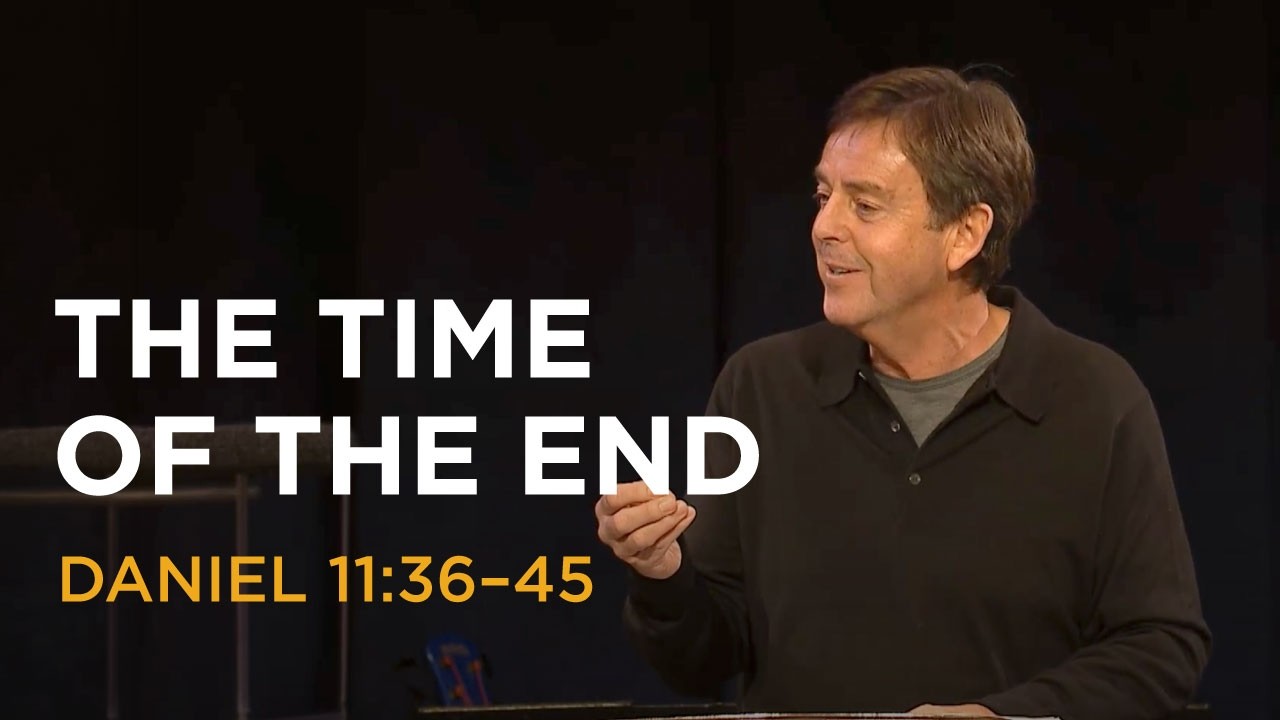
Video Summary
Begg begins by reading Daniel 11:36-45, which describes a king who exalts himself above every god, speaks astonishing things against the God of gods, honors a “god of fortresses,” and eventually comes to his end with none to help him. He candidly calls this the most difficult section of a challenging chapter in a daunting book.
With characteristic humor and honesty, Begg shares that he reached out to trusted scholars while preparing, including Sinclair Ferguson and Alec Motyer, admitting he had read the chapter many times and still found it difficult. He presents his message as his best attempt at understanding the text, encouraging his congregation that there is no shame in acknowledging uncertainty.
He then walks through the characteristics of this ruler: self-exaltation, blasphemy, disregard for the gods of his fathers and for the foundational order of creation, a worship of power and military might, and the use of flattery and favors to gain followers. Begg connects this pattern to the original lie in Genesis 3 and to figures throughout history who embody opposition to God. He ends by reminding the church that God’s kingdom will stand forever and calls believers to turn their eyes on Jesus.
Key Takeaways
- Daniel 11:36-45 is notoriously difficult, and humility is needed in interpreting it.
- The passage portrays a ruler who exalts himself above God and combines blasphemy with cruelty.
- This pattern echoes the serpent’s lie in Genesis 3: “you will be like God.”
- Even this ruler prospers only until God’s appointed time; God remains sovereign.
- “The time of the end” points to the final period before God brings history to its close.
- Believers should hold their views with conviction, humility and compassion while keeping their eyes on Jesus.
A Difficult Text Approached With Humility
Begg openly acknowledges the challenge of Daniel 11. He jokes that he gets by “with a lot of help from my friends,” describing conversations with respected teachers as he prepared. This honesty models a healthy approach to difficult Scripture: careful study, reliance on wise counsel and a willingness to say “I’m not sure” when appropriate. In his closing prayer, he thanks God that believers can think through various perspectives and even change their minds when needed.
Portrait of a Self-Exalting King
Begg describes the king in verses 36-39 as someone who will “do according to his own will” and “magnify himself above every god.” Unlike Antiochus Epiphanes, the earlier ruler described in the chapter who still honored Zeus, this figure regards himself as supreme. He combines blasphemy with inhumanity, which is why biblical prophecy often uses the imagery of a beast to describe such rulers.
Begg notes various interpretations of the phrase “the desire of women,” suggesting one possibility: that this figure shows disregard for the foundational elements of God’s creation order. He also highlights the king’s worship of a “god of fortresses,” meaning power, military might and control, and his use of flattery and rewards to secure loyalty. Begg observes that flattery has often been a powerful tool in history, making people appealing even to those who might otherwise oppose them.
The Lie From the Garden
For Begg, this ruler embodies the oldest lie in Scripture. In Genesis 3:4-5, the serpent told Eve that she would be like God and did not need to listen to Him. That same temptation toward self-exaltation, Begg says, runs throughout history and appears in each human heart in smaller ways. The ruler of Daniel 11 represents that lie taken to monstrous extremes.
God Is Sovereign Over the End
Begg points to a key phrase in verse 36: the king “shall prosper till the wrath has been accomplished; for what has been determined shall be done.” This, he says, is a reminder that God is sovereign over even the darkest powers. He interprets “the time of the end” as the final period before history as we know it concludes, admitting that the idea of history itself coming to an end is difficult to grasp. He cautions against overly literalistic readings of the battles described, while affirming that the king “shall come to his end, and no one will help him.”
He closes by quoting a hymn about God’s kingdom standing forever, unlike earthly empires that pass away. Christians gather not merely to remember Jesus but to celebrate His presence and affirm His resurrection, living with confidence and compassion so that others may come to love Him. For more from Begg, see A Trustworthy Saying and Enlightened Together: A New Ministry.
Frequently Asked Questions
What passage does “The Time of the End” cover?
Alistair Begg preaches on Daniel 11:36-45, the closing section of one of the Bible’s most complex prophetic chapters.
Who is the king described in Daniel 11:36?
Begg describes him as a self-exalting ruler who opposes God and embodies the lie of Genesis 3, a figure many Christians associate with the final opposition to God before the end.
What is the main encouragement of this sermon?
That God remains sovereign over history, that evil rulers prosper only until God’s appointed time, and that Christ’s kingdom will stand forever.
Final Thoughts
The Time of the End is a model of careful, humble preaching on a challenging prophetic text. Alistair Begg does not claim to answer every question, but he points clearly to the sovereignty of God and the certainty of Christ’s eternal kingdom. Believers can face uncertain times with confidence, knowing that every self-exalting power will come to its end, while Jesus reigns forever.