Why Jesus Spoke To The Mountain Instead of Praying About It – Andrew Wommack – April 25, 2026
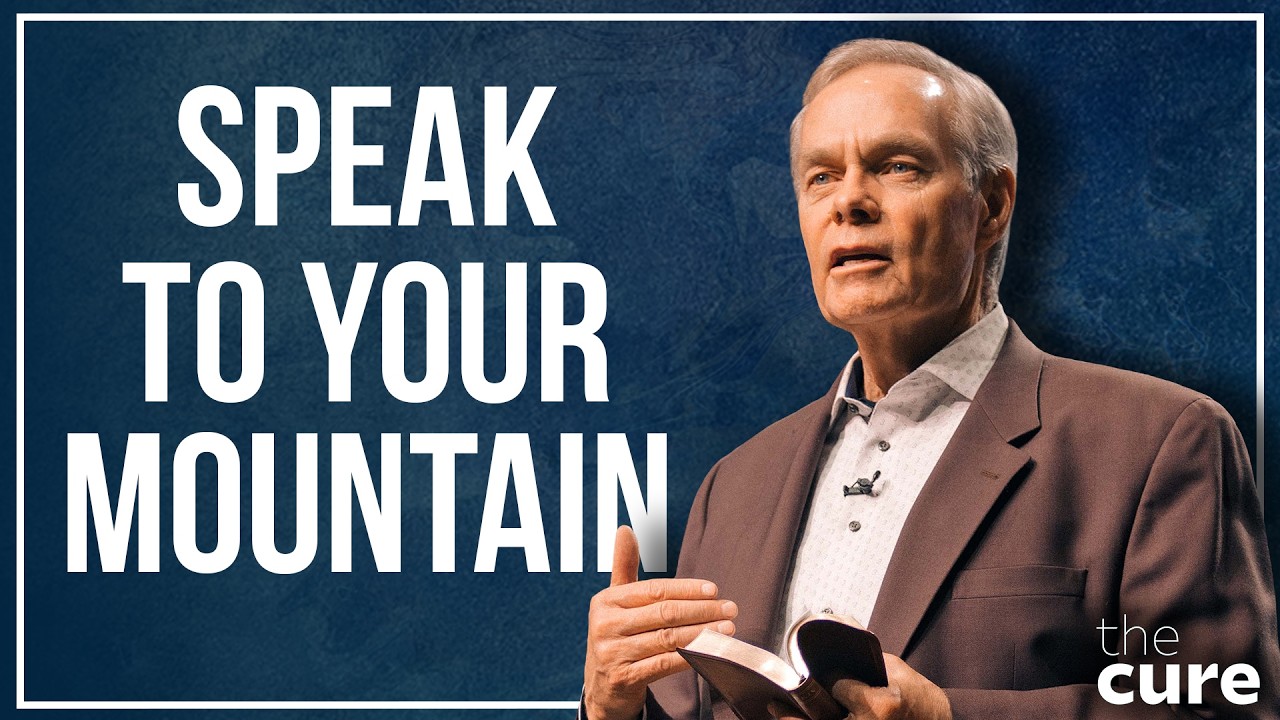
Speaking at a healing conference, Andrew Wommack sets out two convictions that run through much of his teaching: God’s Word is the most precious gift believers have after Jesus and the Holy Spirit, and faith is meant to be spoken. Drawing on Mark 11:23, he explains why Jesus spoke to the mountain instead of simply praying about it, and why he believes meditating on Scripture until it comes alive inside is central to the Christian life.
Video Summary
Wommack opens by saying that the most important thing a person can do is receive a revelation of God’s Word. He mentions remarkable experiences from his ministry, but says the greatest thing he has ever known is when God’s Word comes alive inside. He points to the disciples on the road to Emmaus, whose hearts burned as Jesus opened the Scriptures (Luke 24:32), and to Jeremiah, who described God’s word as “a burning fire shut up in my bones” (Jeremiah 20:9).
From there he contrasts reading with studying, explains biblical meditation, encourages believers to “see” God’s promises inwardly, and closes with Jesus’ teaching on speaking to mountains. His teaching reflects the Word of Faith tradition with which he is associated.
Key Takeaways
- Wommack calls God’s Word the greatest gift believers have apart from Jesus and the Holy Spirit.
- Reading the Bible is good, but studying it requires deeper effort (2 Timothy 2:15).
- Biblical meditation involves the imagination, seeing God’s promises on the inside.
- Isaiah 26:3 links perfect peace with a mind stayed on God.
- In Mark 11:23, Jesus taught His disciples to speak to the mountain.
- Words carry weight, since “death and life are in the power of the tongue.”
Study, Don’t Just Read
Wommack commends believers who read through the Bible, saying it is far better than not reading it at all. But he distinguishes reading from studying. Quoting 2 Timothy 2:15, “Be diligent to present yourself approved to God,” he says study takes real effort. He gently challenges conference attendees who travel long distances hoping someone will pray for them but rarely spend time in Scripture themselves.
He cites Psalm 107:20, “He sent His word and healed them,” and Proverbs 4:20–22, which describes God’s words as “life to those who find them, and health to all their flesh.” He also recalls the centurion in Matthew 8 who said, “Only speak a word, and my servant will be healed.” Wommack says that when he faces physical challenges, he returns to familiar verses and meditates on them like medicine.
Meditation and Imagination
Wommack points to Psalm 1:2, which describes the blessed person who meditates on God’s law day and night. He notes that the Hebrew word translated “meditate” there is the same word used in Psalm 2:1 for people who “plot” or imagine vain things. His point is that true meditation engages the imagination. Everyone, he says, carries an inner picture of who they are and what God can do through them. If believers never see themselves doing what Scripture says, such as praying for the sick, they are unlikely to do it outwardly.
He connects this to Joshua 1:8, where meditating on God’s law day and night leads to prosperity and good success, and to Isaiah 26:3: “You will keep him in perfect peace, whose mind is stayed on You.” He observes that the word for “mind” there is related to a word elsewhere translated “imagination.” Wommack encourages believers to fill their minds with God’s promises rather than with condemnation or fear.
Speaking to the Mountain
The title of the message comes from Mark 11:22–23: “Have faith in God. For assuredly, I say to you, whoever says to this mountain, ‘Be removed and be cast into the sea,’ and does not doubt in his heart… he will have whatever he says.” Wommack notes that some form of “say” appears several times in this verse. In his view, many believers talk to God about their problems instead of addressing the problem itself with faith and authority.
He also cites Proverbs 18:21, “Death and life are in the power of the tongue,” and Romans 10:10, which links believing in the heart with confessing with the mouth. He warns against habitually speaking discouraging or fearful words about oneself and urges believers to align their words with Scripture. Christians hold a range of views on how this teaching should be applied, and it is wise for anyone facing illness to combine prayer and faith with appropriate medical care and counsel. For more from Wommack, see Andrew Wommack Inspired Daily Prayer and Andrew Wommack Daily Devotional.
Frequently Asked Questions
What does Mark 11:23 say about speaking to mountains?
Jesus taught that whoever says to a mountain “be removed” and does not doubt in their heart will have what they say. Andrew Wommack uses this verse to emphasize speaking in faith.
What is the difference between reading and studying the Bible?
Wommack explains that reading is valuable, but studying, as 2 Timothy 2:15 urges, involves diligent effort to understand and apply God’s Word.
How does Wommack define biblical meditation?
He teaches that biblical meditation involves pondering Scripture until it shapes one’s inner vision and imagination, as suggested by Psalm 1:2 and Joshua 1:8.
Final Thoughts
“Why Jesus Spoke To The Mountain Instead of Praying About It” reflects Andrew Wommack’s passion for Scripture and faith-filled speech. Readers may weigh his applications differently, but his core encouragement is valuable: get into God’s Word deeply, let it shape how you think and speak, and approach life’s mountains with faith in God.